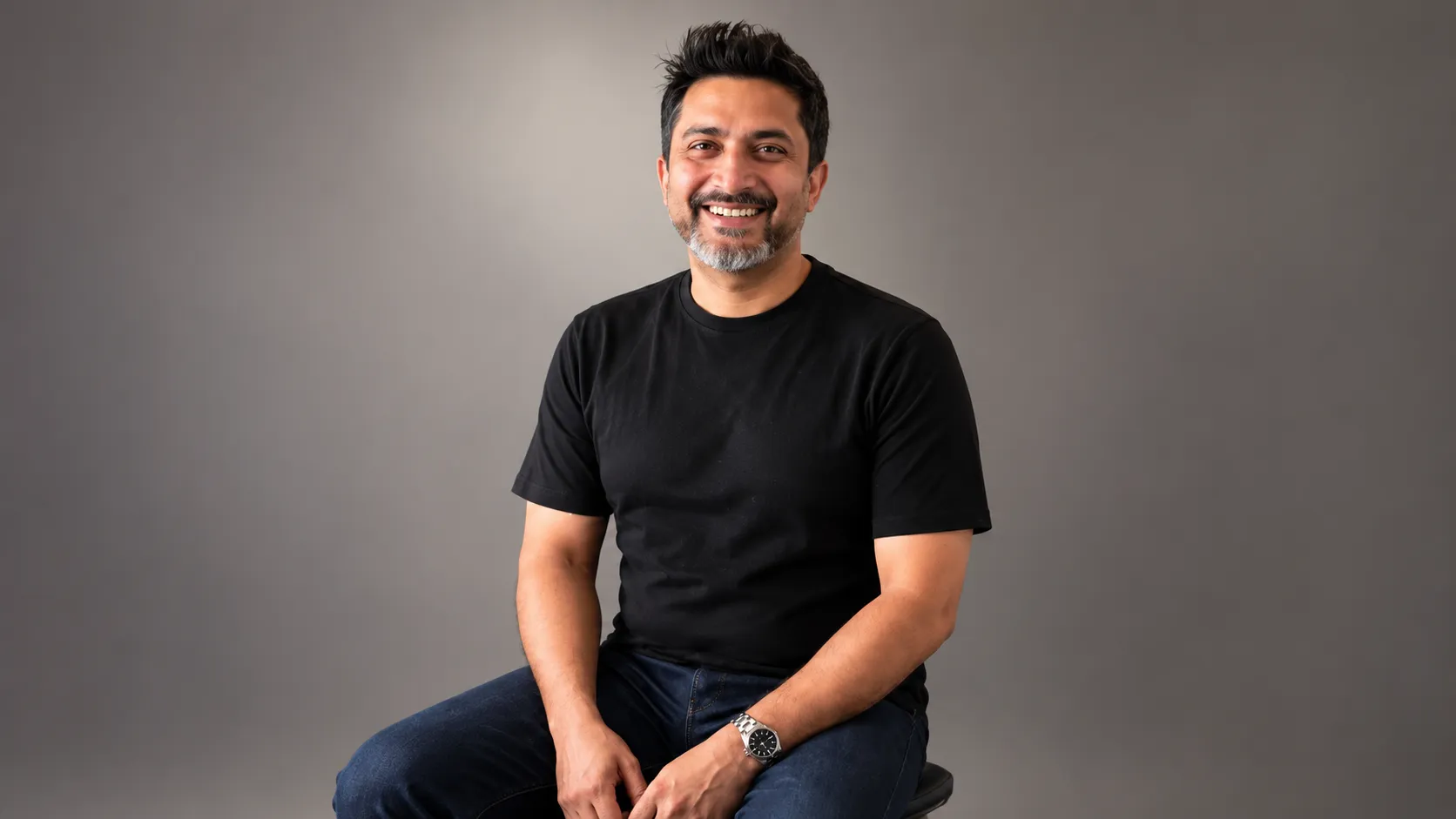
Ankit Jain, who led Dyson's business in India and later in the Middle East and Africa, has raised ₹12 crore for Foundry, a new company that aims to build premium home appliances designed for Indian consumers.
The round was backed by Singapore-headquartered venture firm BEENEXT and Kettleborough VC. Several founders of well-known consumer brands also invested, including Rishubh Satiya, co-founder of Plix; Anindita Sampath, co-founder of Yogabar; and Anita Pramoda of Owned Outcomes, according to Inc42.
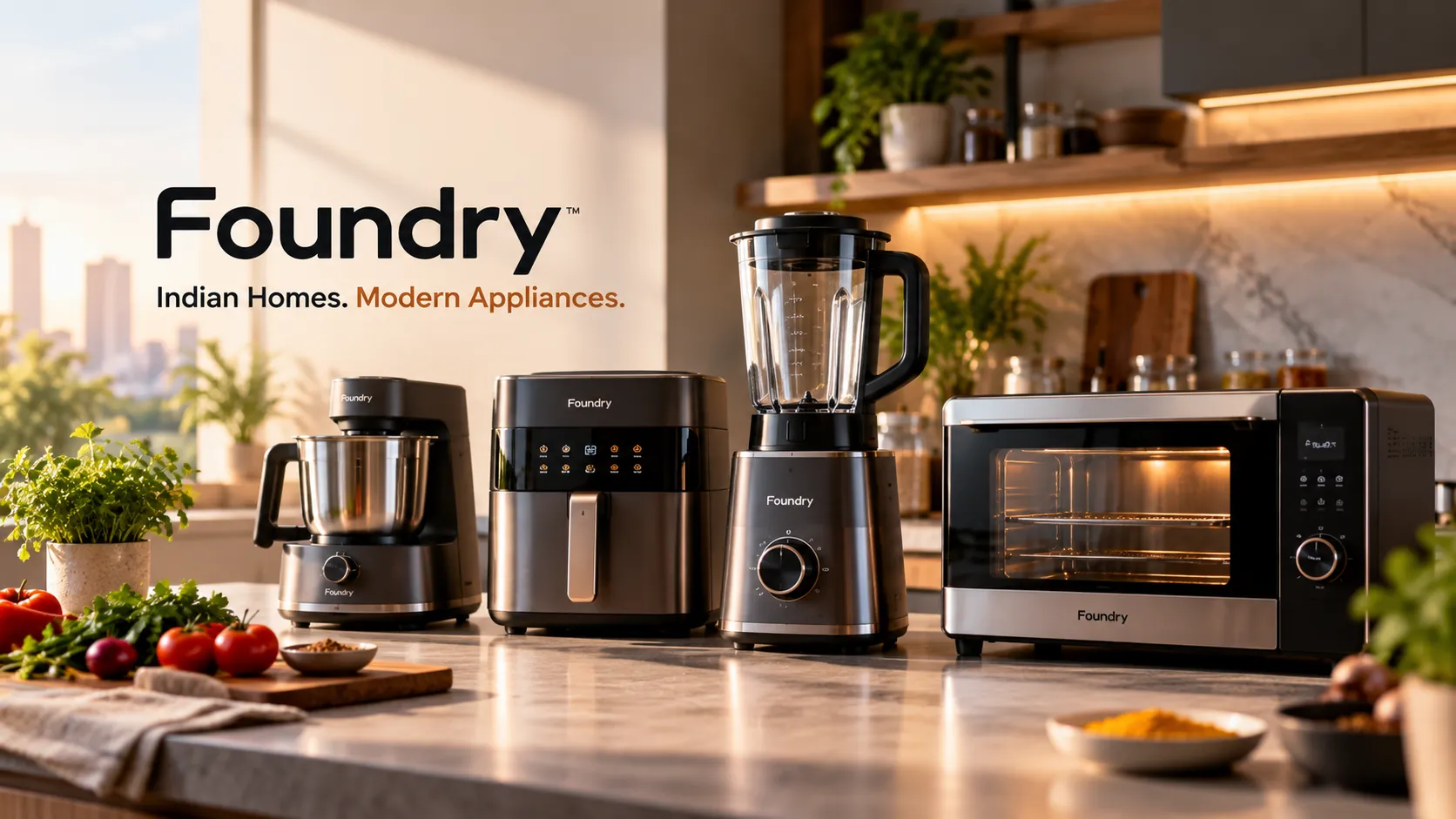
Foundry will use the money for technology development and product engineering. Its first product range will be kitchen appliances, with a launch planned for the second half of 2027.
From Running Dyson to Building From Scratch
Jain brings an unusual combination of experience to a hardware startup. An alumnus of the Indian School of Business, he worked at Nestlé India, Walmart and 21st Century Fox before joining Dyson in 2017. He became managing director of Dyson India in 2021, overseeing the British company's expansion in one of its fastest-growing markets, and was appointed managing director for the Middle East and Africa in 2025.
He stepped down from Dyson in February 2026. Announcing his departure on LinkedIn, he wrote: "Time to build something new. More soon."
Foundry had been operating in stealth before the funding was made public. Inc42 had earlier reported that Jain raised pre-seed capital from BEENEXT; the company has since confirmed the round's size and its full investor line-up.
The Dyson Playbook, Adapted for India
Jain's tenure at Dyson gave him a front-row view of how a premium appliance brand can command high prices by combining engineering, design and a compelling brand story. Dyson built a global following by reinventing everyday products such as vacuum cleaners, fans and hair dryers, and by persuading consumers that superior technology justified premium pricing.
India proved a receptive market for that approach among affluent urban consumers. But premium global brands often design products for international markets and adapt them for India, rather than starting from Indian needs. Foundry's opportunity lies in that gap: building appliances from the ground up for Indian kitchens, cooking styles and households, while delivering the design quality and engineering that premium buyers expect.
Indian cooking places distinctive demands on kitchen appliances. Heavy grinding, frequent use of oil and spices, high heat and long cooking times can expose the limitations of products designed primarily for Western kitchens. Appliances built around those realities could find a market among consumers who want both premium quality and practical performance.
A Large and Growing Market
The Indian household appliances market was estimated at $22.45 billion in 2024 and is projected to reach $33.63 billion by 2030, growing at a compound annual rate of 7.2 per cent between 2025 and 2030, according to figures cited by Inc42. Growth is being driven by rising disposable incomes, urbanisation, adoption of smart appliances and the expansion of e-commerce and modern retail.
Kitchen appliances are among the most dynamic segments, as more Indian households adopt mixers, air fryers, induction cooktops, dishwashers and other products that save time in increasingly busy homes.
A Crowded Field
Foundry will enter a competitive market. It will face established Indian brands such as Havells and Usha, as well as a wave of newer, digitally native companies. Among them, Nester raised about ₹19 crore earlier this year, Nuuk raised $4.5 million last year, and Atomberg, one of the best-funded consumer hardware startups in India, has raised about $126.5 million and is seeking to raise ₹1,500 to ₹2,000 crore through an initial public offering. Geek Technology and Wonderchef are also active in the kitchen segment.
Global premium brands, including Dyson itself in some categories, add further competition at the top end of the market.
Why Investors Are Backing Hardware
Consumer hardware has historically been a difficult category for venture investors. Products take years to design, manufacturing requires significant capital, inventory ties up cash, and margins can be thin. Many hardware startups have struggled to reach profitability.
But investors are increasingly willing to back experienced operators in the category, particularly as India's manufacturing ecosystem matures and contract manufacturing becomes more sophisticated. The participation of founders from Plix and Yogabar, both of which built successful consumer brands, signals confidence in Jain's ability to combine product development with brand building and distribution.
The supply side is also changing. Government production-linked incentive schemes, including one for white goods such as air conditioner components and LED lighting, have encouraged investment in domestic component manufacturing, while global electronics makers have expanded their Indian operations as part of efforts to diversify supply chains away from China. A deeper local ecosystem of motor, electronics and plastics suppliers makes it more feasible for a startup to design products in India and have them built locally to exacting standards, rather than relying entirely on overseas contract manufacturers. For a company promising premium quality, control over engineering and manufacturing partners will be critical, and India's maturing industrial base gives Foundry more options than an appliance startup would have had a decade ago.
The Long Road to Launch
With its first products not due until the second half of 2027, Foundry faces a long development cycle before it generates revenue. The ₹12 crore round will fund engineering, prototyping and testing, but bringing a premium appliance range to market at scale will almost certainly require substantially more capital.
The company will also need to navigate the complexities of sourcing components, ensuring product quality and safety, building after-sales service networks and establishing distribution across online and offline channels.
A Founder Betting on Design
Foundry represents a growing trend of senior executives from global consumer companies leaving to build their own ventures in India. These founders bring operational experience, industry networks and an understanding of how to build brands at scale, all of which can shorten the learning curve that first-time founders face.
Jain's bet is that India is ready for a home-grown premium appliance brand that combines world-class design with a deep understanding of Indian homes. If Foundry can deliver products that live up to that ambition, it could carve out a position in a market long dominated by multinationals at the premium end and by value-focused brands below. The first test will come when its kitchen range reaches consumers in 2027.


