FundingAnalysis5 MIN READ

APEC Finance Ministers Agree to Deepen Policy Coordination Against External Risks at Hong Kong Meeting

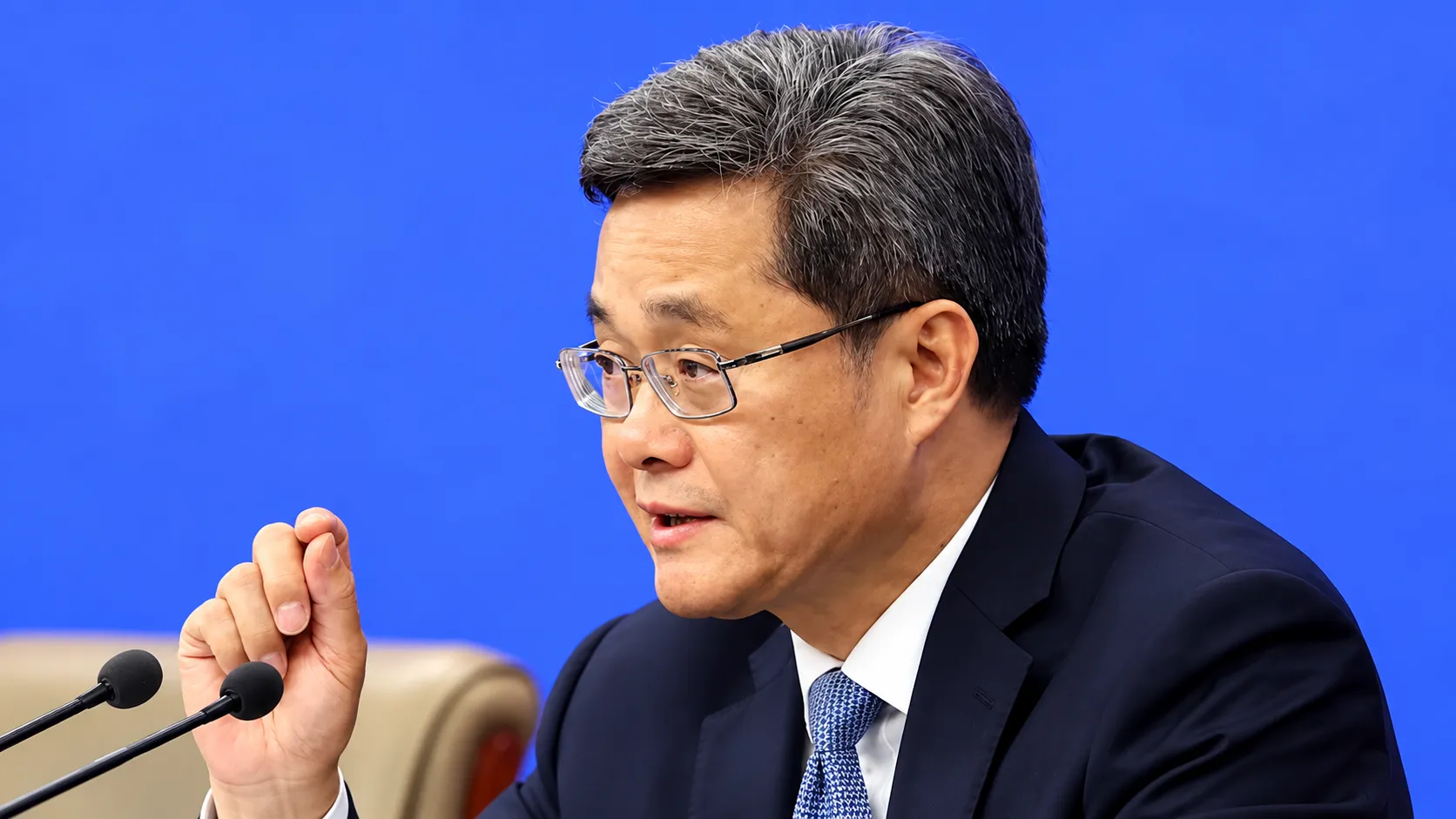
Finance ministers from the Asia-Pacific Economic Cooperation forum agreed in Hong Kong on October 21 to strengthen macroeconomic policy dialogue and take joint action against external risks. China's Finance Minister Lan Foan chaired the meeting, which also backed cooperation on digital infrastructure financing, inclusive finance and financial services that support livelihoods.

By Shaym Kumar · Author21 October 2026New
APEC Finance Ministers Agree to Deepen Policy Coordination Against External Risks at Hong Kong Meeting

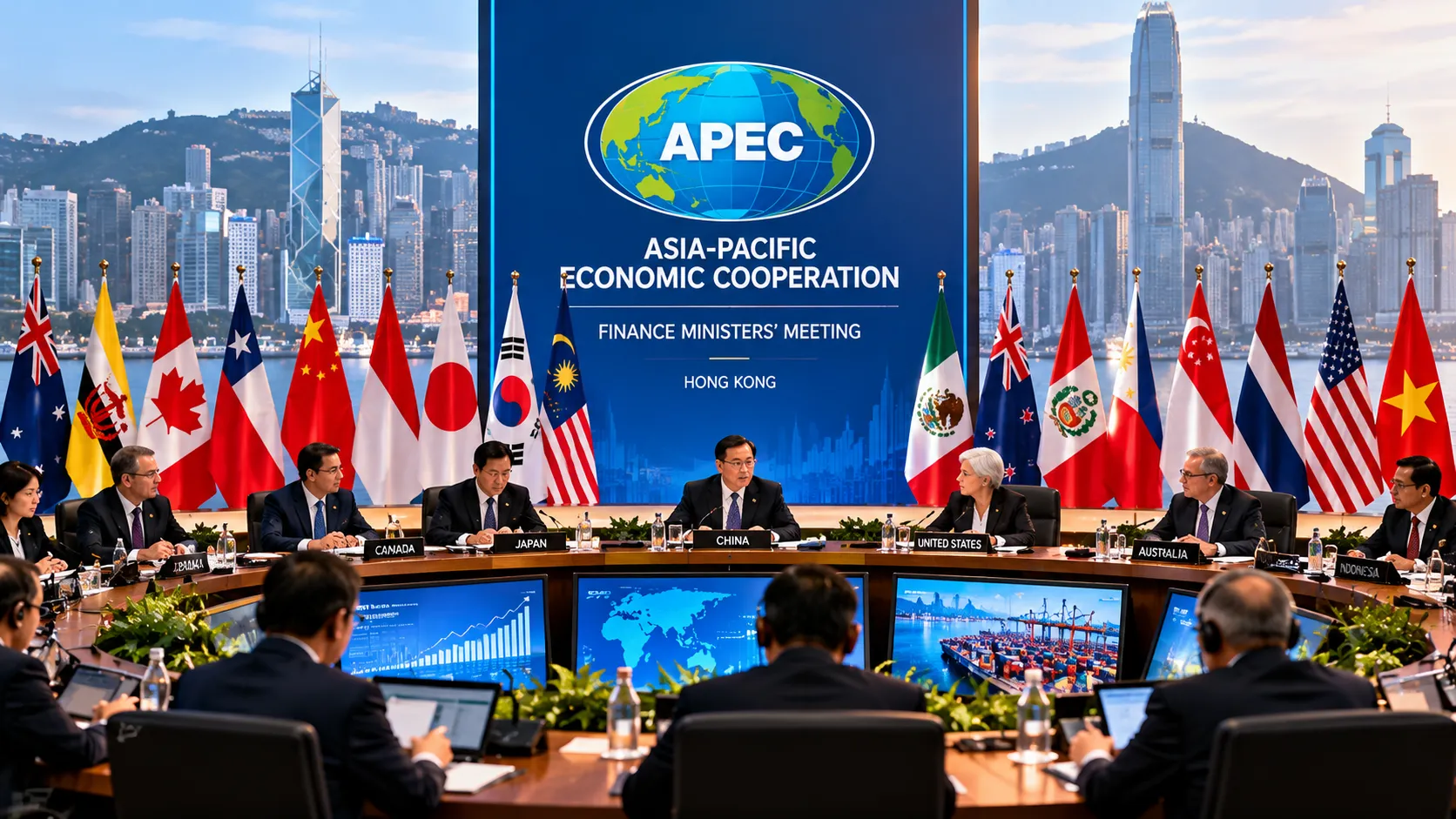
Finance ministers from the Asia-Pacific Economic Cooperation (APEC) forum pledged on Wednesday, October 21, to strengthen economic policy coordination and act jointly against external risks, as the region grapples with trade tensions, high oil prices and rising global interest rates.

Meeting in Hong Kong under China's chairmanship of APEC this year, the ministers agreed to boost macroeconomic policy dialogue and to take joint action to address external risks, according to a summary released after the meeting and reported by Reuters. China's Finance Minister Lan Foan chaired the gathering.

The ministers also agreed to promote financial cooperation in areas including services that support livelihoods, financing for digital infrastructure and inclusive finance.

A focus on digital infrastructure

A key theme of the meeting was digital infrastructure. The joint statement called for "reliable, accessible, scalable, trusted, secure and resilient digital infrastructure," highlighting the importance of investment in networks, data centres and digital payment systems for economic growth.

Digital infrastructure has become a priority across the Asia-Pacific region, as governments seek to capture the benefits of artificial intelligence, digital trade and financial technology. However, the investment required is enormous, and many developing economies struggle to finance it. Ministers discussed ways to mobilise private capital and use public finance more effectively to close the gap.

Inclusive finance, which aims to extend banking and financial services to people and small businesses that lack access, was another focus. Digital technologies such as mobile payments and digital identity systems have expanded financial inclusion rapidly in parts of Asia, and APEC members have sought to share experience in this area.
9107388d-39ea-4204-9e7e-673aeae7cddc.png

A region under pressure

The meeting took place against a challenging global backdrop. Trade tensions, including tariffs imposed by the United States on many trading partners, have disrupted supply chains and weighed on growth across the region. APEC economies, which include the United States, China, Japan and many Southeast Asian and Latin American countries, account for a large share of global trade and output.

High energy prices are another concern. Brent crude has risen to around $110 a barrel amid tensions in the Middle East, raising costs for energy-importing economies across Asia. Rising bond yields, driven by persistent inflation and expectations of further rate increases by the US Federal Reserve, have tightened financial conditions and put pressure on emerging market currencies.

Against that backdrop, the commitment to joint action on external risks signals a desire among finance ministers to coordinate responses to shocks rather than act in isolation. In practice, APEC is a consensus-based forum whose agreements are non-binding, and its influence depends on members' willingness to follow through.

China's role as host

China is hosting APEC this year, with leaders due to meet in Shenzhen in November. Beijing has used its hosting role to promote multilateralism and open trade, positioning itself as a defender of the global trading system at a time when the United States has embraced tariffs.

The finance ministers' meeting in Hong Kong also allowed China to showcase the city's role as an international financial centre. Hong Kong has sought to strengthen its position as a gateway between China and global capital markets, and its stock exchange has seen a revival in listings this year.


“Reliable, accessible, scalable, trusted, secure and resilient digital infrastructure.”
— APEC Finance Ministers' Joint Statement

However, tensions between the United States and China remain a defining feature of the global economy. The two countries have engaged in negotiations over trade, technology and other issues, but disputes over tariffs, export controls and investment restrictions persist.

The financing challenge

Financing for infrastructure and development is a recurring theme in APEC discussions. Developing economies in the region need vast investment in energy, transport, digital networks and climate adaptation. With public budgets stretched and borrowing costs rising, mobilising private capital has become essential.

Multilateral development banks, including the Asian Development Bank and the Asian Infrastructure Investment Bank, play an important role, but their resources are limited relative to the scale of need. Ministers have discussed ways to make better use of these institutions and to attract institutional investors such as pension funds and insurers.

What it means for India

India is not a member of APEC, despite long-standing interest in joining. It participates in many of the same discussions through other forums, including the G20, the East Asia Summit and BRICS.

Nevertheless, decisions and trends in APEC economies affect India. Many of India's largest trading partners are APEC members, and coordinated responses to external risks, from oil shocks to financial volatility, can influence global conditions that affect Indian markets and the rupee.

India's own experience with digital public infrastructure, including the Unified Payments Interface (UPI) and the Aadhaar digital identity system, is often cited internationally as a model for inclusive finance and digital infrastructure. Several Asia-Pacific economies have explored linking their payment systems with UPI.

What is APEC

The Asia-Pacific Economic Cooperation forum was established in 1989 to promote free trade and economic cooperation in the Asia-Pacific region. It has 21 member economies, including the United States, China, Japan, Russia, Australia, Canada, South Korea, Mexico and most Southeast Asian nations. Together, APEC economies account for a large share of global population, output and trade.

Unlike the World Trade Organization, APEC operates on the basis of voluntary, non-binding commitments and consensus. Its value lies in fostering dialogue, building trust and developing shared approaches to economic issues, which can then inform national policies and negotiations in other forums.

What comes next

The finance ministers' meeting feeds into the APEC leaders' summit in Shenzhen next month, where heads of government will discuss trade, growth and cooperation. The extent to which commitments to policy coordination translate into concrete action will depend on members' priorities and on the evolution of US-China relations.

For businesses and investors, the meeting signals that policymakers are aware of mounting risks to the regional economy and are seeking ways to respond collectively. Whether that is enough to offset trade tensions, high energy costs and tighter financial conditions remains to be seen. Analysts note that the real test of such commitments comes during periods of stress, when countries face pressure to prioritise domestic interests. With oil prices high, bond yields elevated and trade tensions unresolved, the months ahead may provide that test, as APEC economies seek to shield growth while managing inflation and financial stability risks.

TagsAPECfinance ministersHong KongLan FoanChinamacroeconomic policydigital infrastructureinclusive financetrade tensionstariffsAsia-Pacific economyglobal economyoil pricesinterest ratesShenzhen APECmultilateralismUS-Chinaemerging marketsIndia tradeeconomic cooperation

Reader reviews

Sign in to rate and review this article.
Loading reviews…
