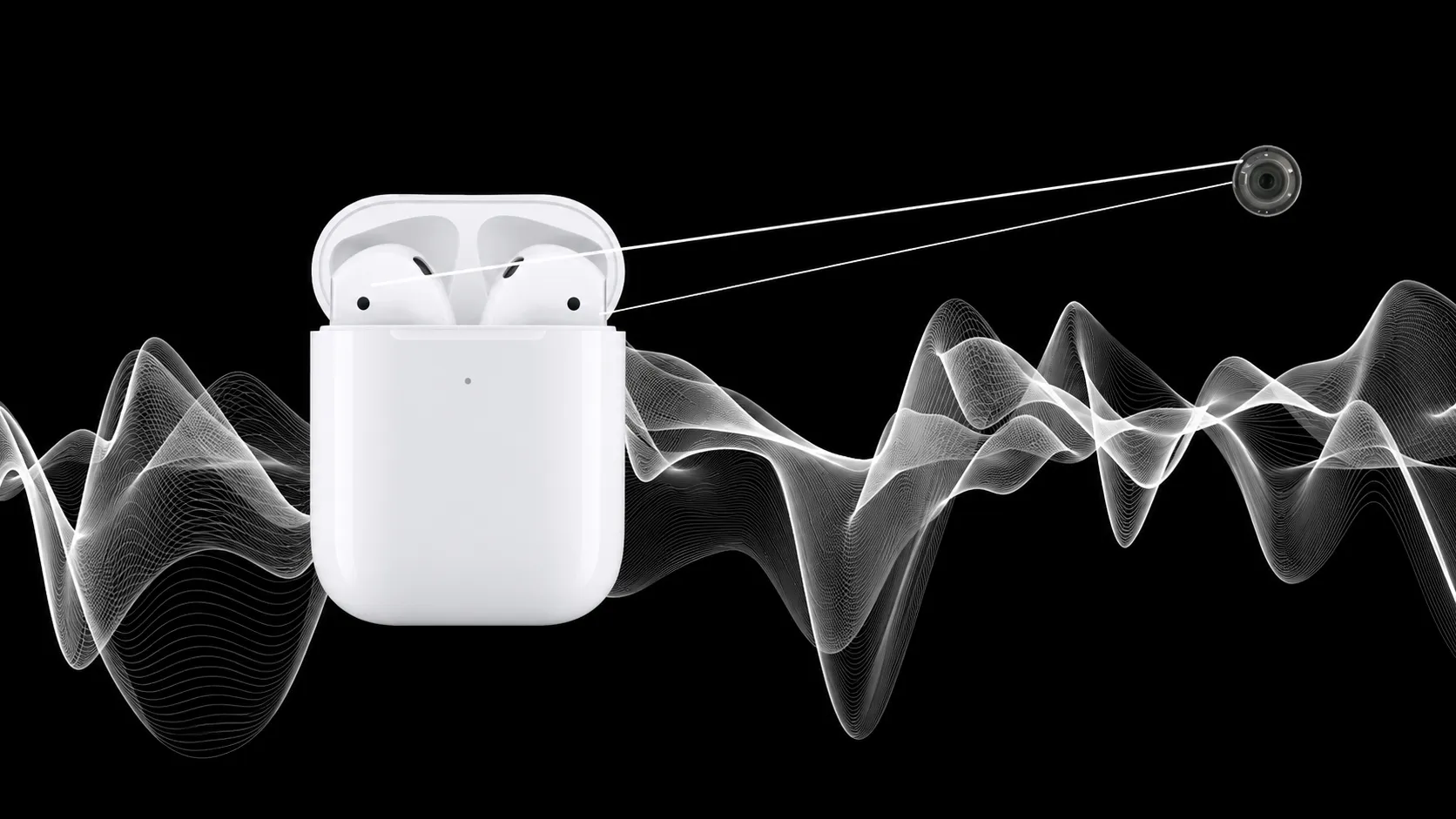
Reports of camera-equipped AirPods currently in development at Apple point toward a new category of AI-enabled wearable device — one capable of visually perceiving its surroundings rather than relying solely on audio input and voice commands. If accurate, the move would extend Apple's broader strategy of embedding artificial intelligence into ambient, always-available hardware, following a series of AI-focused product announcements from major technology companies through 2026.
The rumours add to a lengthening list of major technology companies signalling ambitions in ambient, camera-enabled wearable computing as the next frontier beyond smartphone-centric AI assistants.
The concept of camera-equipped earbuds represents a meaningful technical and design departure from current wearable AI approaches, most of which have centred on smart glasses or smartphone-based visual AI assistants. By integrating a camera into a form factor already worn by hundreds of millions of users globally, Apple would be positioned to bring visual AI capability to a far larger installed base than dedicated AI-glasses products have so far achieved, without requiring consumers to adopt an entirely new device category.
Supply-chain analysts tracking Apple's component sourcing have also noted that miniaturised camera modules suitable for earbud-scale devices have become significantly more cost-effective and power-efficient over the past two years, a technical development that may have influenced the timing of any internal decision to pursue camera-equipped AirPods now rather than in earlier product cycles. This kind of component-level cost curve has historically played a significant role in determining when major consumer electronics companies choose to introduce ambitious new hardware features, often trailing the underlying technical capability by one or more product generations to ensure acceptable cost, battery life and reliability at scale.
Industry observers note that the broader competitive landscape for wearable AI has intensified considerably through 2026, with multiple technology companies pursuing devices capable of understanding a user's physical environment in real time — commonly framed around the idea of AI that can "see what you see." Camera-equipped AirPods, if launched, would place Apple in more direct competition with this emerging category, leveraging its existing dominance in the wireless-earbuds market as a distribution advantage that few competitors could easily replicate.
Analysts covering Apple's product roadmap note that the company has historically taken a more conservative, iterative approach to entering emerging hardware categories compared to some competitors, often allowing rivals to establish and validate a market before entering with a more polished, tightly integrated product. If camera-equipped AirPods follow this pattern, Apple's entry could serve less as a first-mover bet and more as a signal that wearable AI has matured to the point where mainstream consumer adoption, rather than early-adopter experimentation, is now the primary opportunity — a dynamic that would have significant implications for the smaller wearable AI start-ups currently competing to establish themselves ahead of larger platform entrants.
Patent filings associated with Apple's wearable device research, tracked by several technology publications, have periodically referenced miniaturised imaging components suitable for earbud form factors, lending some technical credibility to the rumours even as the company has, as usual, declined to comment publicly on unreleased product development.
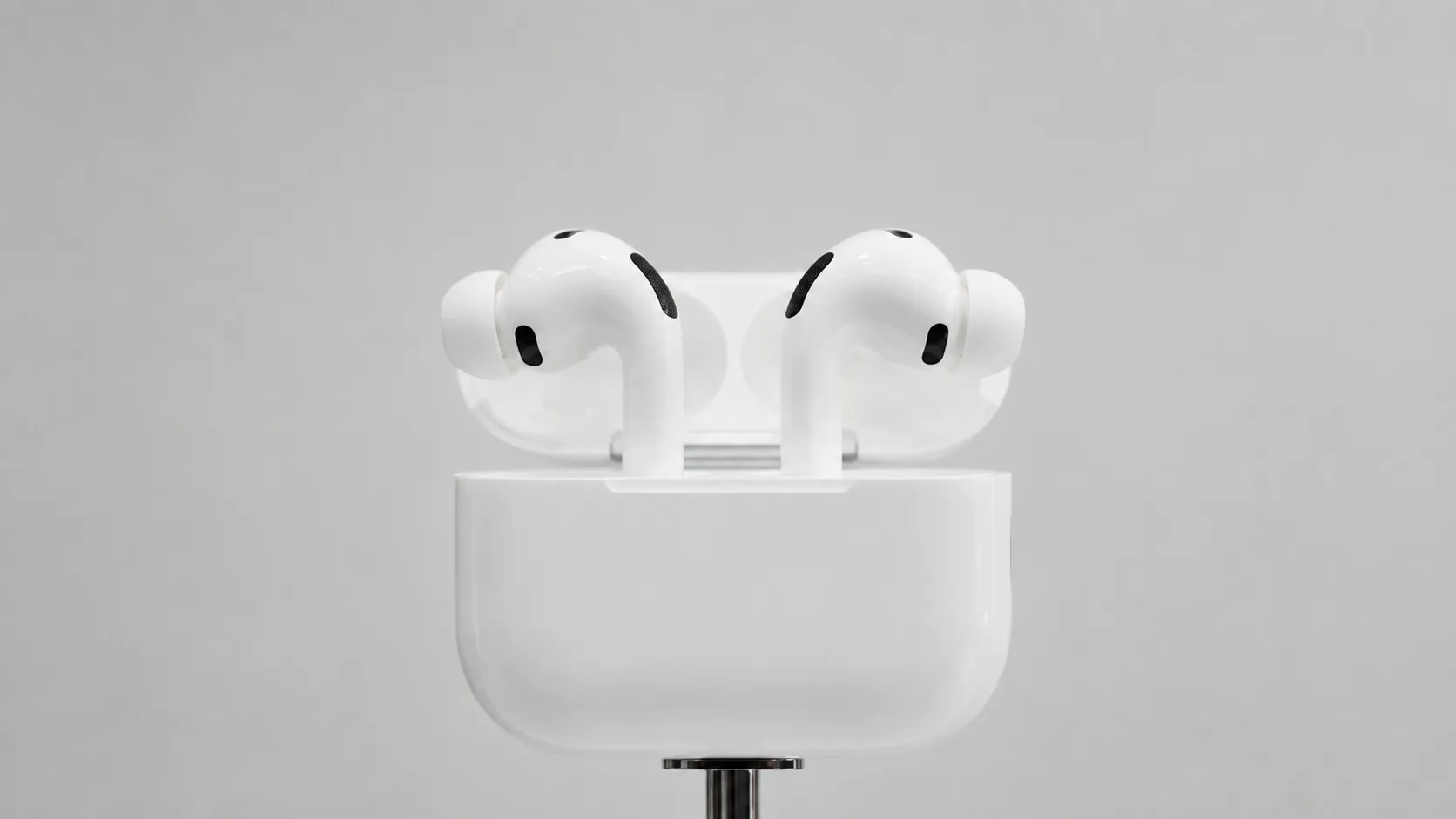
Consumer electronics analysts have also noted that any camera-equipped wearable device would likely need to address battery-life trade-offs carefully, given that continuous visual processing typically demands significantly more power than audio-only functions, a technical constraint that could shape both the feature set and form factor of any eventual product Apple brings to market in this category.
Privacy considerations are likely to feature prominently in any eventual product rollout, given the sensitivity historically associated with always-available cameras in personal devices. Apple's approach to on-device processing and privacy-preserving AI architecture, which has been a consistent theme across its recent product announcements, will likely shape how the company positions any camera-equipped wearable relative to competitors, particularly as regulators in multiple jurisdictions have grown more attentive to the privacy implications of AI-enabled hardware capable of capturing visual data in public and private spaces alike.
Beyond the specific rumours surrounding Apple's product roadmap, the broader wearable AI category has attracted substantial investment and strategic attention from major technology companies throughout 2026, as firms compete to establish an early foothold in what many industry executives view as the next major computing platform shift following smartphones. Meta, Google and several well-funded start-ups have all pursued distinct approaches to ambient, visually aware wearable devices, ranging from smart glasses to pendant-style AI assistants, creating a fragmented but rapidly evolving competitive landscape. Apple's potential entry through an established, high-volume product category such as AirPods — rather than launching an entirely new device line — would represent a notably different strategic approach from most competitors, leveraging existing consumer trust and adoption rather than asking users to embrace an unfamiliar new hardware category from a standing start.
From a broader industry perspective, Apple's rumoured wearable strategy also reflects the intensifying competitive stakes around who ultimately controls the primary interface through which consumers access ambient AI — a battle that increasingly extends beyond smartphones into earbuds, glasses and other always-worn devices. Whichever company establishes the dominant wearable AI form factor is likely to gain considerable influence over how AI assistants are accessed and monetised across the broader consumer technology ecosystem for years to come.
Whether or not camera-equipped AirPods reach commercial release in their currently rumoured form, the reports underscore a broader industry trajectory: AI is increasingly moving off the smartphone screen and into ambient, wearable hardware capable of perceiving the physical world. As this shift continues, the companies that can combine large existing device install bases with credible privacy safeguards are likely to hold a significant advantage in shaping how consumers adopt the next generation of AI-enabled wearables.
As competitors continue to iterate on their own wearable AI offerings, the eventual arrival — or continued absence — of camera-equipped AirPods will be closely watched as a signal of how Apple views the maturity and consumer readiness of visually aware wearable AI more broadly. Given the company's outsized influence on consumer technology adoption patterns globally, its eventual product decision in this category is likely to have ripple effects across the wearable AI market regardless of which direction Apple ultimately chooses to pursue.
Apple has, as is customary, declined to confirm or deny the specifics of any unreleased product, leaving the wearable AI category's next major moves subject to continued industry speculation for now.


