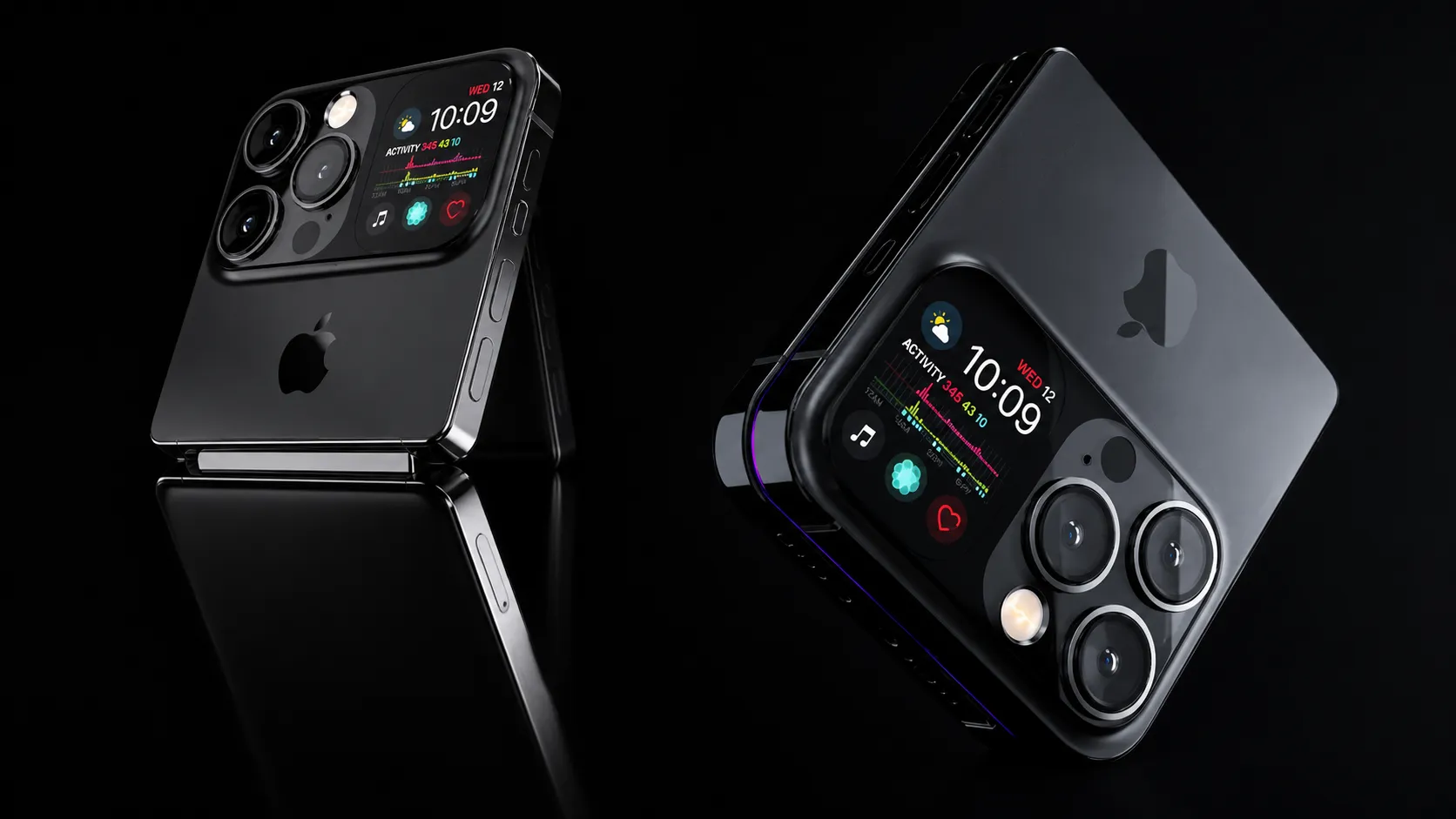
Apple's long-anticipated foldable iPhone has reportedly received a launch date, according to details circulating alongside other technology news reports, marking the company's entry into a device category that competitors including Samsung, Huawei and Google have pursued for several years already with varying degrees of commercial success. Apple's characteristic patience in entering established but still-maturing hardware categories has again played out here, with the company waiting for foldable display and hinge technology to reach a maturity level consistent with its typical product quality standards before committing to a launch.
The foldable smartphone category has evolved considerably since Samsung's initial, relatively rough Galaxy Fold launch, with successive hardware generations addressing early durability concerns around crease visibility, hinge reliability and display longevity that limited broader consumer adoption during the category's first several years on the market. Apple's later entry allows the company to benefit from lessons learned across competitors' multiple product generations, potentially avoiding some of the early reliability issues that dampened initial consumer enthusiasm for foldable devices industry-wide.
Apple's approach to entering established categories late but with refined execution has historically proven commercially successful, from its delayed but ultimately category-defining entries into MP3 players, smartphones and tablets. Whether that pattern repeats with foldable devices will depend substantially on whether Apple's engineering team has solved the durability and form-factor compromises that have continued to constrain foldable smartphone adoption to a relatively narrow, premium-focused consumer segment globally, even years after the category's initial launch.
The competitive implications extend beyond Apple's own device sales. A successful Apple foldable iPhone launch could meaningfully expand overall category demand by lending foldable devices the kind of mainstream credibility and marketing reach that smaller competitors have struggled to generate independently, potentially benefiting the broader foldable component supply chain — flexible display manufacturers, specialised hinge component suppliers — even as Apple itself captures a disproportionate share of the resulting consumer demand increase.
Pricing will likely prove a critical variable in determining how broadly Apple's foldable device penetrates beyond its most committed early-adopter customer base, given that foldable smartphones across the industry have generally commanded substantial price premiums over comparable non-folding flagship devices, a premium partly justified by manufacturing complexity but one that has nonetheless constrained foldable adoption to a smaller, more affluent consumer segment than standard smartphone models typically reach.
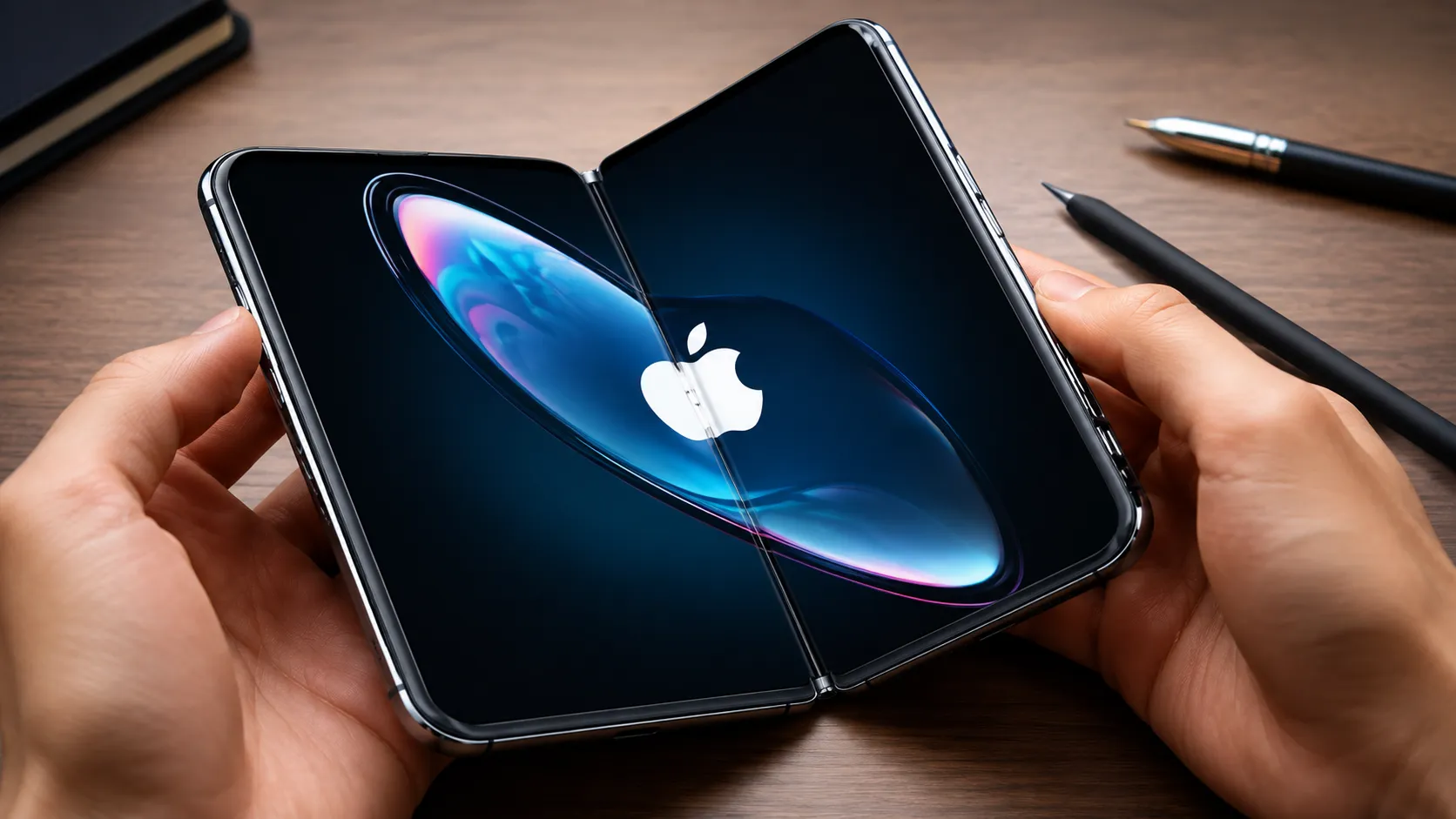
For component suppliers across the foldable display and hinge manufacturing supply chain, confirmation of an Apple launch date represents a significant demand signal, likely triggering capacity planning and investment decisions across specialised manufacturers who have, until now, been serving a foldable smartphone market considerably smaller than the broader premium smartphone category Apple's entry could help unlock.
As details of the specific launch date and device specifications continue to emerge through the technology press, the broader smartphone industry will be watching closely to see whether Apple's entry validates foldable devices as a genuinely mainstream product category, or whether the fundamental form-factor trade-offs — thickness, durability, cost — continue to constrain foldable smartphones to a specialised niche even with Apple's considerable brand power and engineering resources behind the effort.
Samsung, as the category's longest-standing major manufacturer, will likely face the most direct competitive pressure from an Apple entry, given the two companies' overlapping premium smartphone customer base and Samsung's multi-generational investment in refining its own foldable hardware and software experience ahead of what industry observers widely anticipate will be an intensely competitive response to Apple's arrival in the category.
The software experience accompanying Apple's foldable device will likely prove as commercially decisive as the hardware itself, given the company's historical strength in tightly integrating hardware and software experiences — an area where several existing Android-based foldable devices have drawn criticism for feeling like conventional smartphone software simply stretched across a larger, folding display rather than software genuinely reimagined for the form factor.
Analysts covering Apple's supply chain will also be watching closely for indications of production volume targets accompanying the reported launch date, since initial manufacturing yields for foldable display technology have historically constrained early availability across the broader industry, a pattern that could similarly shape how widely available Apple's own foldable device proves during its critical early sales period. Should early production volumes prove constrained, as has been common across the category's earlier product cycles, initial demand could meaningfully outstrip supply, creating the kind of scarcity dynamic that has sometimes amplified consumer interest in Apple's past product launches even as it frustrates customers unable to secure a device promptly.
The broader consumer electronics industry will also be watching how Apple prices its foldable entry relative to its existing flagship iPhone Pro lineup, since that pricing decision will signal whether the company intends to position the device as an aspirational, ultra-premium flagship or as a more broadly accessible expansion of its existing premium smartphone tier. Given Apple's historical pricing discipline and the genuine manufacturing cost premium associated with foldable display and hinge technology, most industry observers expect the device to command a significant premium over Apple's existing top-tier smartphone offerings, at least during its first generation on the market. Ultimately, whether Apple's foldable iPhone becomes a genuine mass-market success or a more niche, premium halo product within the company's broader smartphone lineup will likely become clear only well after its initial launch window, once early adopter enthusiasm gives way to the more measured verdict of mainstream consumer demand. For now, the reported launch date alone marks a significant milestone for a category that has waited years for its most influential potential entrant to finally commit, and one that will likely dominate smartphone industry commentary through the remainder of the product cycle leading up to release. Rivals, suppliers and consumers alike now have a fixed point on the calendar to plan around, ending years of speculation about whether Apple would enter the category at all.