TechFuture Tech5 MIN READ

Apple Reportedly Teams Up With LG on Smart Lock, Thermostat and Doorbell in Push Into the Connected Home

Apple is reportedly working with LG on a range of smart home devices, including a lock, thermostat, doorbell and security cameras, to be sold under the LG brand, in a move that would put it in more direct competition with Amazon's Ring and Google's Nest.

By Aravind Kumar · Author7 October 2026New
Apple Reportedly Teams Up With LG on Smart Lock, Thermostat and Doorbell in Push Into the Connected Home

Apple is working with South Korea's LG Electronics on a range of smart home devices, including a smart lock, a thermostat and a video doorbell, according to a report by Bloomberg, in what would be one of the iPhone maker's most significant moves yet into the connected home.

The products, which also include indoor, outdoor and floodlight security cameras, are expected to carry the LG brand despite being developed jointly by the two companies, the report said. An announcement is expected as soon as 13 October.

Apple did not immediately respond to a request for comment, TechCrunch reported on 6 October. If confirmed, the partnership would put Apple in more direct competition with Amazon's Ring and Google's Nest, which dominate the market for home security and climate devices in many countries.

What the devices are said to include

The reported line-up covers most of the categories that make up a modern smart home security system: a lock for the front door, a doorbell with a camera, cameras for inside and outside the home, including a floodlight model, and a thermostat for heating and cooling.

The devices are designed to work with Apple's smart home ecosystem. The report also describes a smart home hub with a six-inch square display that can sit on a countertop or be mounted on a wall, which would act as a control centre for connected devices.

Taken together, the products would give Apple a far more complete smart home offering than it has today. The company has long supported third-party devices through its Home app and HomeKit framework, and sells the HomePod speaker and Apple TV, which can act as home hubs. But it has largely avoided making the security and climate hardware itself, leaving those categories to partners.

Branding the products as LG offers several advantages. It allows Apple to enter categories that involve installation, local service and building codes without taking on the operational burden of supporting them directly. It also limits the risk to Apple's own brand if the products do not meet its usual standards for success, while still giving it a hand in design and integration.

Why the home matters now

The smart home has proved a difficult market for technology companies. Early enthusiasm for connected devices was tempered by fragmentation, with products from different makers often failing to work together, as well as by privacy concerns and the complexity of setting up and maintaining systems.

Industry efforts to fix those problems have gathered pace. Matter, an interoperability standard backed by Apple, Amazon, Google, Samsung and others, is designed to let devices from different manufacturers work together across ecosystems. As Matter adoption grows, the barriers that once locked consumers into a single brand's devices are falling, raising the stakes for each company to offer the most compelling hardware and software experience.

Home security is also a valuable recurring-revenue business. Amazon acquired Ring in 2018 and has built it into one of the best-known brands in video doorbells, with subscription services for cloud video storage. Google's Nest has a similar model. Apple already offers secure video storage through its iCloud+ subscription, and a broader set of cameras and doorbells could increase the value of that service for its customers.
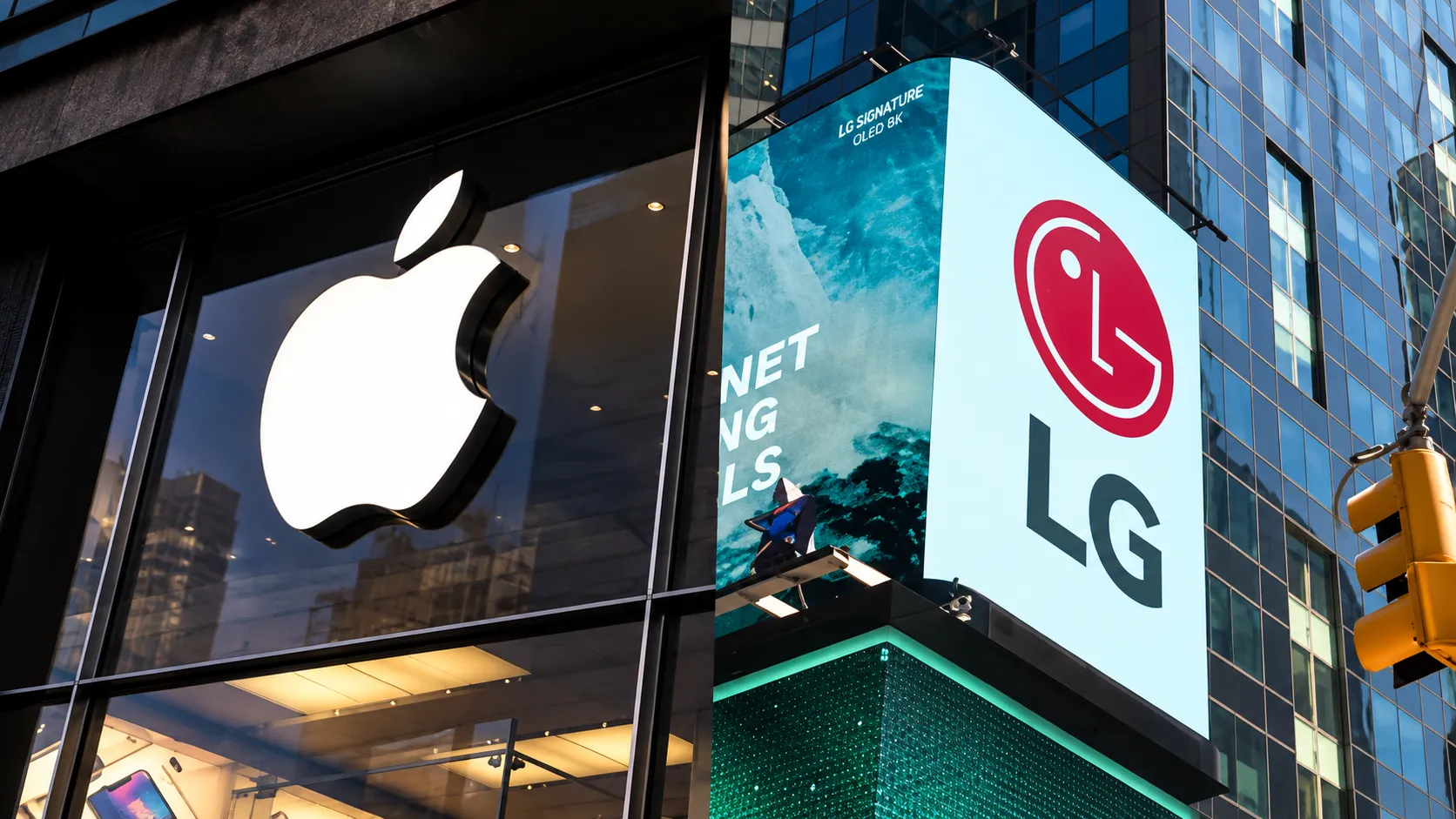

“The devices are expected to carry the LG brand despite being developed jointly with Apple, according to Bloomberg.”
— TIGI Tech Desk

Thermostats bring a different set of considerations. Connected thermostats can reduce energy bills by learning household routines and adjusting heating and cooling automatically, and utilities in several countries offer incentives for households that install them. Google's Nest thermostat helped establish the category more than a decade ago, and energy management is increasingly seen as a gateway into the broader smart home.

Privacy could be Apple's main differentiator. The company has positioned itself as more protective of user data than its rivals, and home security cameras, which record inside and outside people's homes, are a category where privacy concerns are acute. Ring in particular has faced criticism in the past over its relationships with police departments and its data practices.

19799383-efb3-4d18-9824-b0b3a8bfcc51.png

A long-standing partnership

LG is a natural partner. The South Korean group is one of the world's largest makers of home appliances and consumer electronics, with manufacturing scale, retail distribution and service networks in markets around the world. It has also worked with Apple before; LG has produced UltraFine monitors sold through Apple, and its affiliate LG Display supplies screens for Apple devices.

For LG, the arrangement offers access to Apple's ecosystem and customer base, as well as design and software collaboration that could strengthen its own smart home ambitions. The company has invested heavily in its ThinQ platform for connected appliances and has been seeking to position itself as a provider of smart home solutions rather than individual products.

The reported deal also fits Apple's broader push into new hardware categories. The company is under pressure to find growth beyond the iPhone, which still accounts for about half of its revenue, and the home has repeatedly been identified as an area where it could expand. A partnership model allows it to move faster and with less capital than building everything in-house.

Apple has a history of entering categories late and redefining them, from music players to smartwatches, but it has also had products that failed to gain traction. Its earlier home efforts, including the original HomePod and its discontinued line of Wi-Fi routers, show that the home is a harder market to dominate than the personal devices on which Apple built its business.

Questions remain. It is not clear how the products will be priced, which markets they will launch in, or whether they will require an Apple device to set up. Consumers in markets such as India, where Apple's share of the smartphone market is small but growing, may find their usefulness limited if they are tied closely to Apple's ecosystem.

If the announcement comes as expected on 13 October, it will offer the clearest sign yet of how Apple intends to compete for the connected home, and whether a partnership with an established appliance maker can achieve what its own efforts have so far not.

The timing would place the products in shops ahead of the year-end holiday season, when video doorbells and smart locks are among the most popular connected-home purchases in the United States and Europe, giving Apple and LG an early test of consumer demand.

TagsAppleLG ElectronicsSmart HomeHome SecuritySmart LockThermostatVideo DoorbellAmazon RingGoogle NestMatterConsumer ElectronicsFuture Tech

Reader reviews

Sign in to rate and review this article.
Loading reviews…

