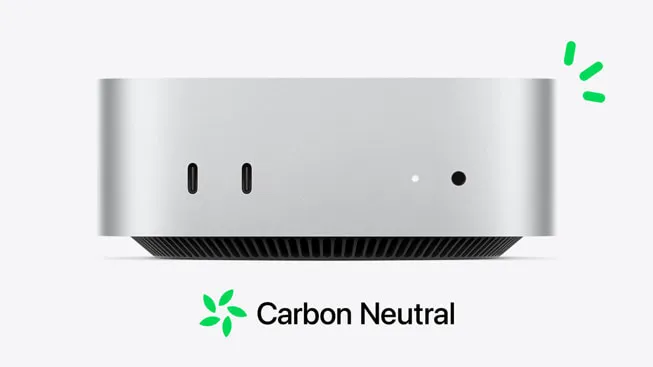
Apple has quietly launched a new Mac mini built for the on-device AI era, the company confirmed as part of a broader wave of technology hardware announcements on August 25, 2026. The refreshed compact desktop signals Apple's continued push to position its Mac line-up around growing consumer and professional demand for local, on-device AI processing rather than relying solely on cloud-based AI services.
The relatively low-key nature of the launch -- described as a quiet rollout rather than a major keynote-style announcement -- is consistent with Apple's approach to Mac mini updates historically, which have typically received more modest marketing attention than the company's flagship iPhone and MacBook launches despite often incorporating significant underlying technical improvements.
On-device AI processing has become an increasingly important differentiator for personal computing hardware, as concerns around data privacy, latency and the cost of running AI workloads in the cloud have pushed both consumers and enterprises to seek machines capable of handling more sophisticated AI tasks locally. Apple's silicon strategy, built around its own chip architecture rather than third-party processors, has positioned the company to compete directly in this shift toward on-device AI capability.
The economics of cloud-based AI inference have become an increasingly important consideration for both individual users and enterprises running AI workloads at scale, as the cumulative cost of repeated API calls to cloud AI services can quickly exceed the amortised cost of capable on-device hardware for users with sufficiently heavy or sensitive AI workloads -- a calculus that has strengthened the commercial case for AI-capable personal computing hardware.
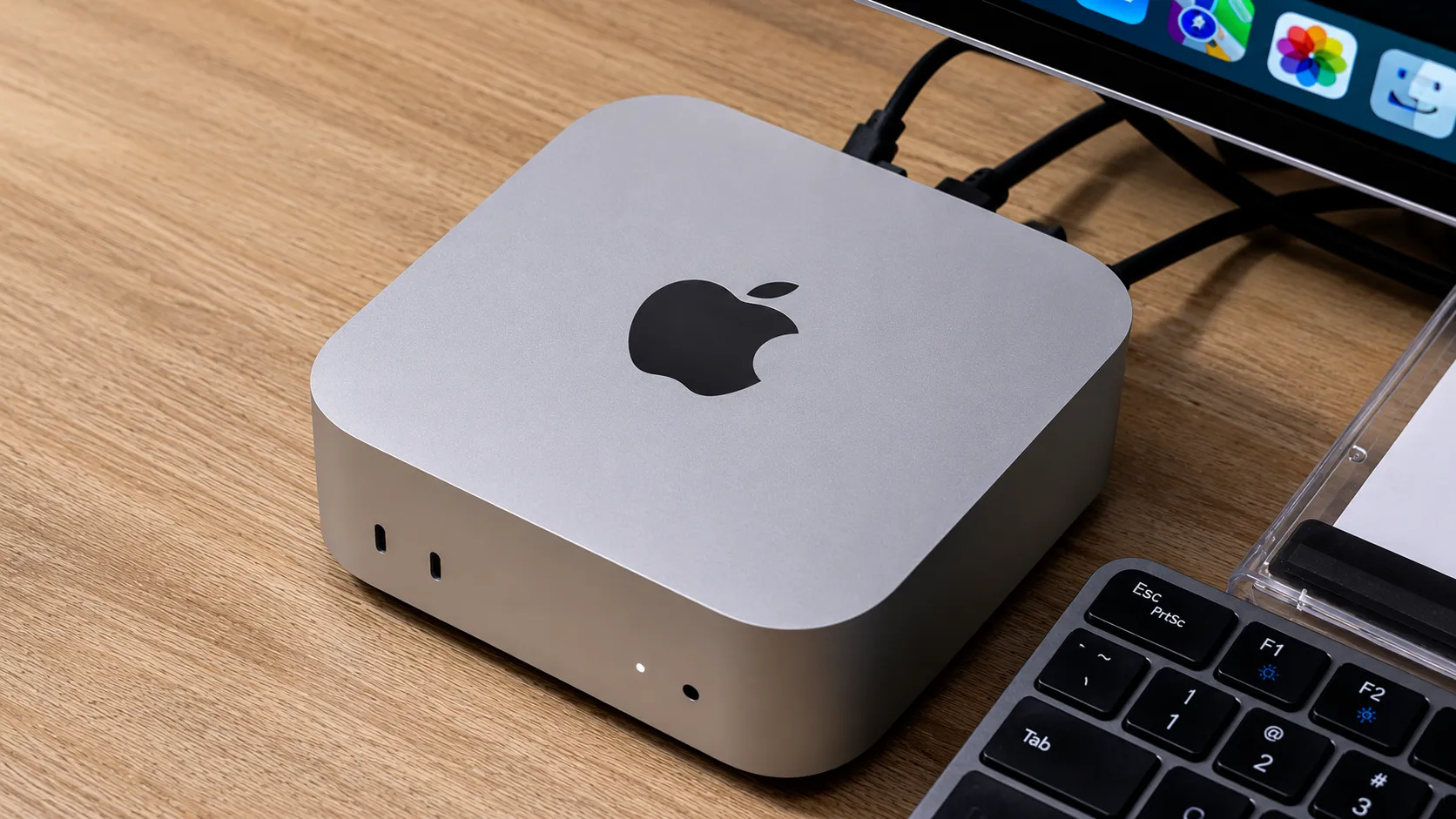
The Mac mini refresh arrives amid a broader industry-wide acceleration in AI-optimised hardware announcements, with competitors similarly racing to embed more powerful AI processing capability into consumer and prosumer devices. For Apple specifically, strengthening the Mac mini's AI credentials also supports its broader ecosystem strategy, as on-device AI features become more deeply integrated across the company's operating systems and software offerings.
Apple's ecosystem-wide approach to AI integration -- spanning its operating systems, first-party applications and now hardware refreshes across its product line -- reflects a broader strategic bet that deep AI integration will function as a meaningful differentiator and retention driver across its installed base, rather than treating AI capability as a standalone feature confined to a single flagship product category.
While Apple has not detailed the full extent of the new Mac mini's AI-specific hardware improvements, the launch adds to a busy week of technology announcements across the industry, including new inference chip deployments from Nvidia and semiconductor reveals from Chinese electronics makers. Collectively, these developments point to an intensifying race among major technology companies to define what AI-capable personal computing hardware looks like heading into the next product cycle.
The clustering of major AI hardware announcements from Apple, Nvidia and Xiaomi within the same week is itself a useful indicator of how central AI capability has become to competitive positioning across the consumer and enterprise technology industry, with companies increasingly timing product announcements to maintain visibility amid a rapidly accelerating news cycle around AI hardware developments.