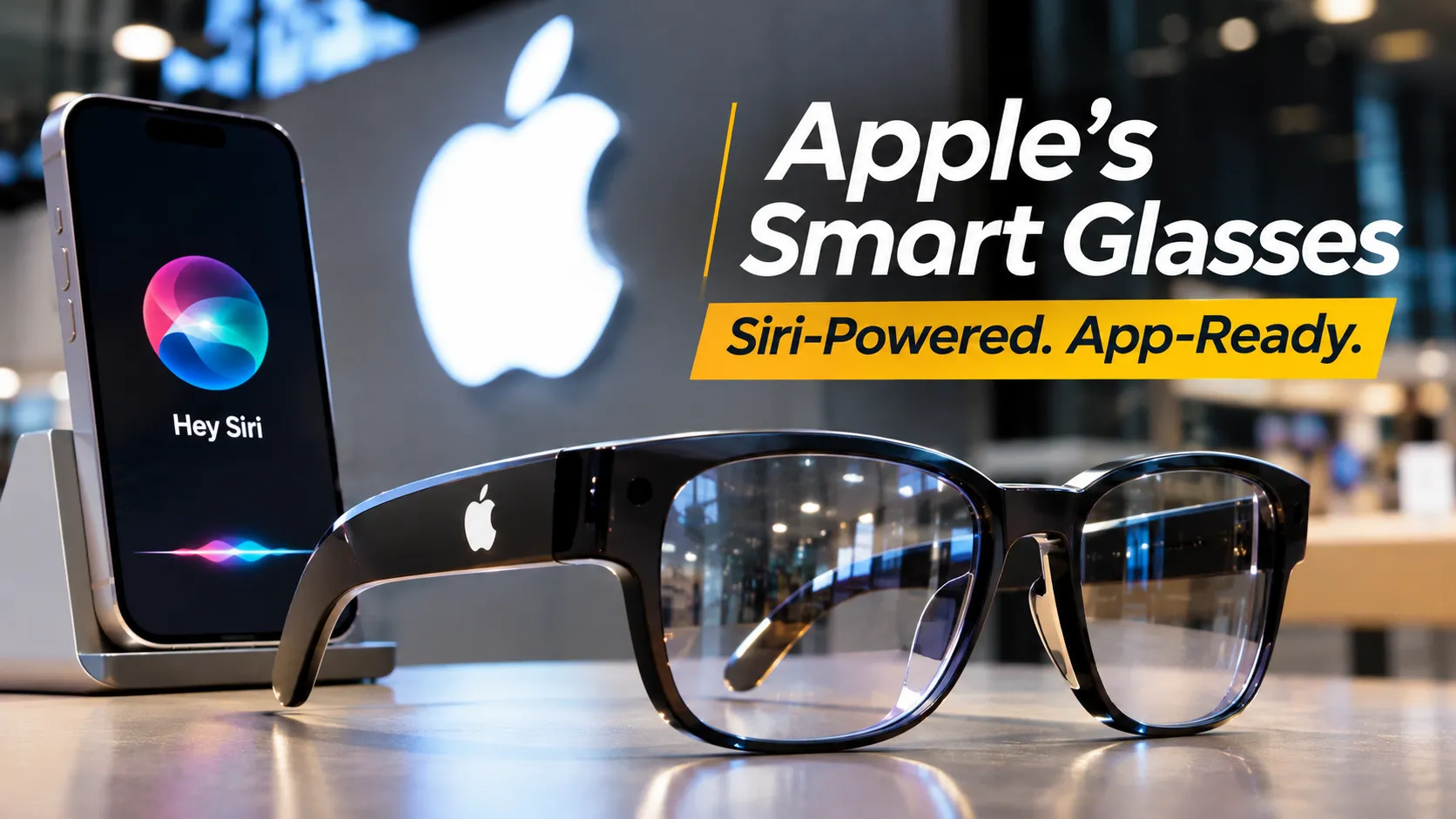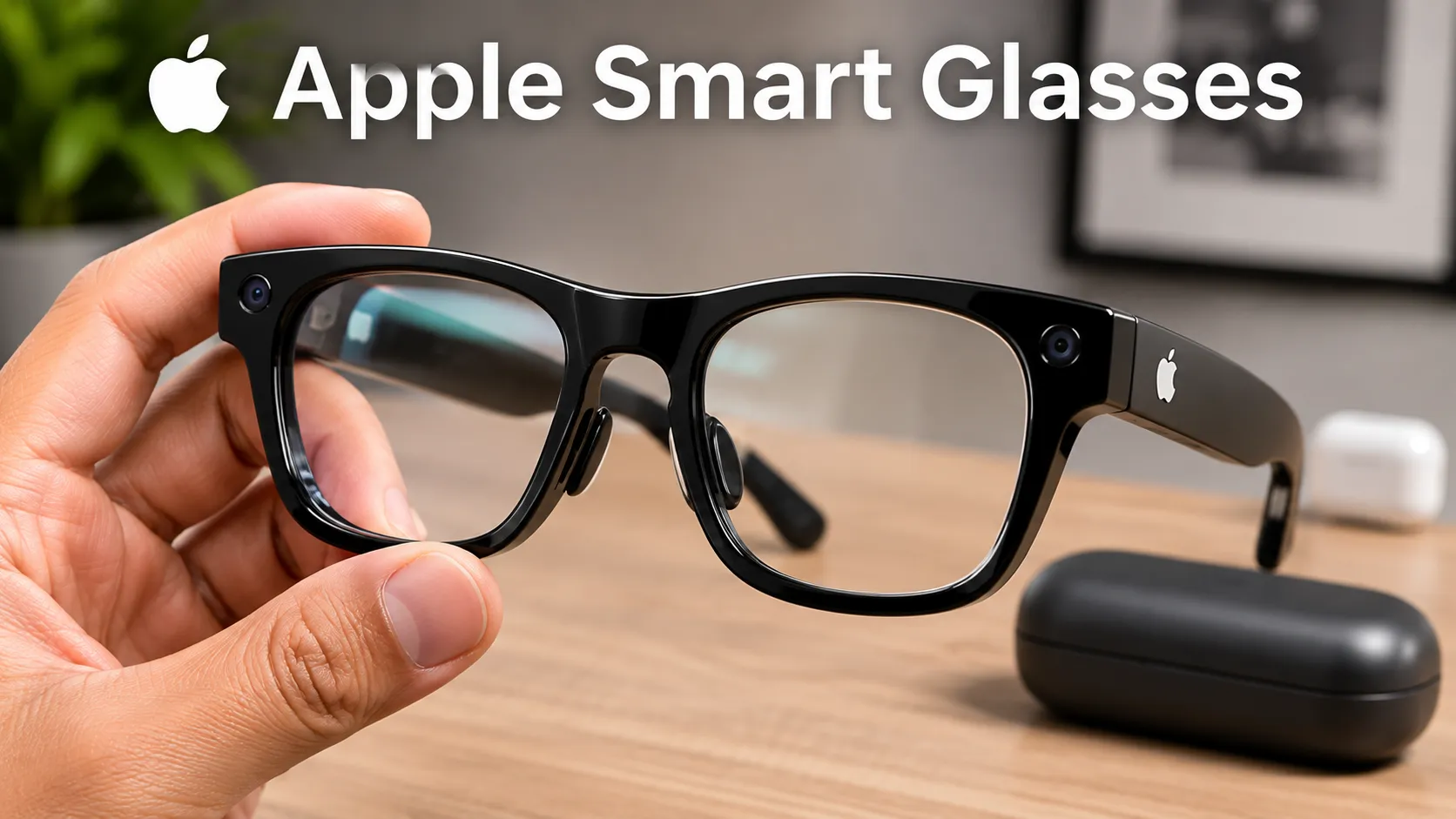
Apple is betting that the killer feature of its first smart glasses will not be a screen, but a voice assistant that can get things done.
Apple's smart glasses, planned for next year, will offer Siri-powered app integrations as their flagship feature, Bloomberg's Mark Gurman reported in his Power On newsletter on November 15. "The idea: Book an Uber, reserve a table or order a coffee from your Apple Glasses — with apps running on paired iPhone," Gurman wrote on X.
Apple has not announced the glasses, and the details are based on Bloomberg's reporting.
How it would work
Users would talk to Siri to complete tasks inside apps, such as placing orders and making reservations, according to Digital Trends, which summarised the Bloomberg report. Developers would only need to enable Siri interactions in their existing iPhone apps, rather than building custom apps for the glasses.
Third-party apps would not run directly on the glasses at first. Instead, they would stay on a paired iPhone, with the two devices working together to handle requests. Digital Trends cited services such as OpenTable, Uber, Lyft, Starbucks, Amazon and Fandango as examples of envisioned integrations.
The glasses would also include Visual Intelligence, using the camera to answer questions about the user's surroundings, such as identifying buildings or suggesting recipes based on ingredients in the fridge. Other features would include iPhone notifications, message replies, real-time translation, calendar entries, reminders, music playback and smart home control.
The timeline
Apple has wanted to unveil its smart glasses at its Worldwide Developers Conference in June 2027 and ship them before the end of that year, according to Gurman, but software delays make both targets uncertain. The hardware is largely finalised, according to Digital Trends. The glasses, code-named N50, reportedly run a pared-down version of Apple's visionOS software.
Apple is preparing Siri controls for its own apps in the iOS 27.3 software update, with full support for third-party apps arriving next year, according to Gurman's reporting as summarised by FourWeekMBA.
A long-promised Siri upgrade
The app integration feature depends on a Siri capability Apple first promised in June 2024, when it unveiled Apple Intelligence and said Siri would be able to take actions across apps. The feature was delayed, and Apple opened a developer preview for Siri app integration on November 3, 2026, according to FourWeekMBA.
Apple has faced criticism for falling behind rivals in AI, and the glasses could be an important test of whether its revamped Siri can compete with AI assistants from OpenAI, Google and others.
The Meta challenge
Apple will be entering a market where Meta has an early lead. Meta's Ray-Ban smart glasses, developed with eyewear maker EssilorLuxottica, have sold well and helped make smart glasses a mainstream product category. Meta has also introduced glasses with displays and continues to invest heavily in AI wearables.
Meta's investment comes at a high cost. Its Reality Labs division, which includes its glasses and virtual reality businesses, lost $4.13 billion in the third quarter of 2026 on revenue of $443 million, according to Meta's quarterly filing as cited by FourWeekMBA. Meta expects full-year Reality Labs operating losses of about $18 billion to $19 billion.