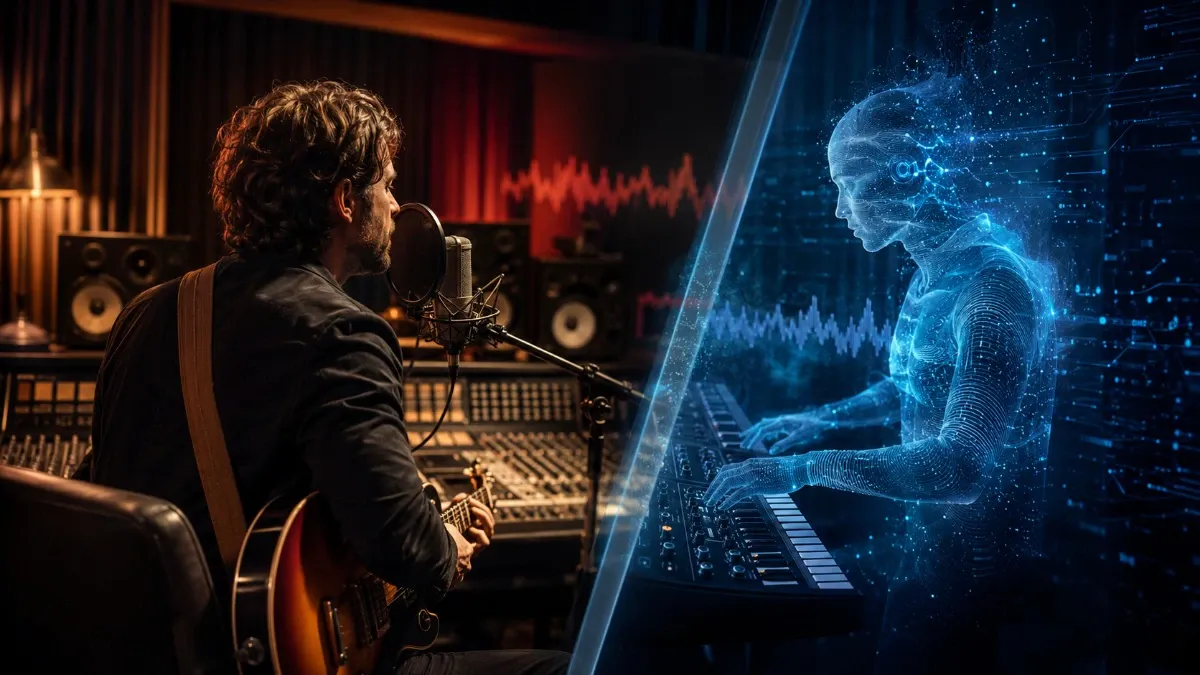
The Australian Recording Industry Association has announced it will exclude fully AI-generated songs from its official charts starting this week, mirroring global principles adopted by the International Federation of the Phonographic Industry in July 2026. The move, confirmed on August 25, 2026, gives ARIA the authority to remove ineligible recordings, alter chart positions and revoke awards for tracks found to violate the new standard.
The move positions ARIA among the more proactive national music industry bodies globally in formally codifying AI-content eligibility rules, following a period during which most chart organisations had operated without explicit policies addressing the growing volume of AI-assisted and AI-generated music entering commercial circulation.
Under the new policy, tracks that use AI as a supporting production tool but remain what ARIA describes as 'substantially human-made' can still qualify for chart inclusion, drawing a distinction between AI-assisted music production and fully AI-generated compositions. The policy follows a controversy earlier in the year when a Queensland DJ's AI-vocal cover reached Australia's most-played radio song before being identified as AI-generated, prompting industry scrutiny of how existing chart eligibility rules handled AI-created music.
The distinction between AI-assisted and fully AI-generated music has proven genuinely difficult to codify in practice, given that AI tools are now routinely used across even conventionally produced music for tasks ranging from vocal tuning and mastering to arrangement assistance -- meaning chart organisations like ARIA must draw a workable line between longstanding, broadly accepted studio production techniques and the wholesale AI generation of vocals or compositions with minimal human creative input.
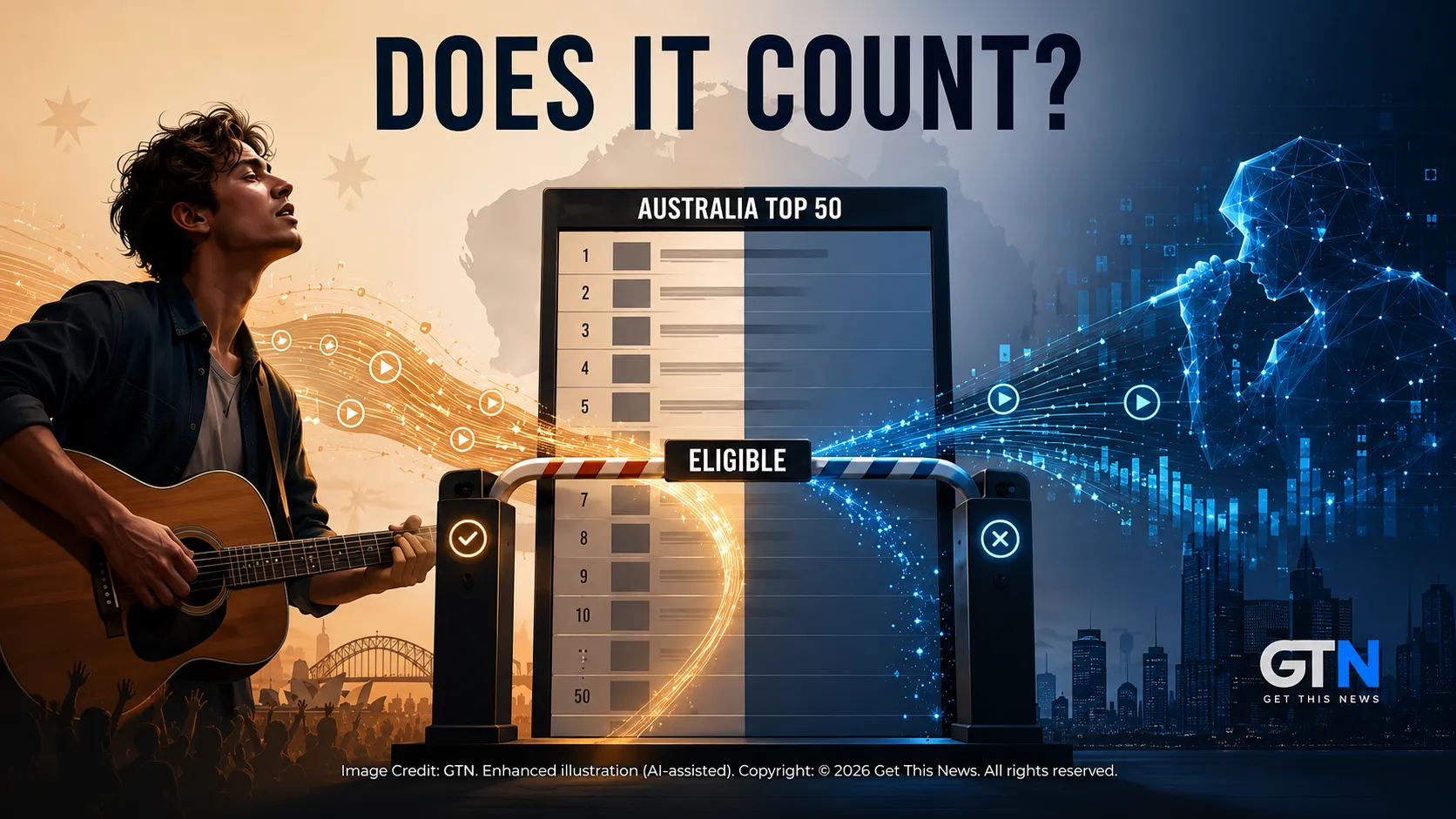
The Australian move follows a broader global trend among music industry bodies to formalise rules around AI-generated content following the IFPI's adoption of global principles in July 2026, as streaming platforms, record labels and chart organisations grapple with the rapid proliferation of AI music generation tools capable of producing commercially competitive tracks with minimal human input. The distinction between AI-assisted and fully AI-generated music is likely to remain a contentious and evolving line as the underlying technology continues to improve.
Major streaming platforms have faced parallel pressure to develop their own labelling and detection systems for AI-generated music, a technical challenge that has grown more difficult as AI music generation tools have improved in quality, making purely algorithmic or listener-based detection increasingly unreliable without more systematic disclosure requirements placed on artists and labels at the point of upload.
For artists, labels and streaming platforms operating in Australia, the new ARIA policy adds a further layer of compliance consideration around how music is produced, credited and submitted for chart eligibility. As similar policies take shape across other major music markets globally, the industry's approach to distinguishing human and AI authorship in music is likely to become an increasingly important, and contested, area of policy over the coming year.
The episode involving the Queensland DJ's AI-vocal cover has already been cited by industry commentators as a cautionary case study in the reputational risk artists and labels face when AI-generated content achieves commercial success before its origins are disclosed, a dynamic likely to push both artists and platforms toward greater proactive transparency about AI's role in music production going forward.