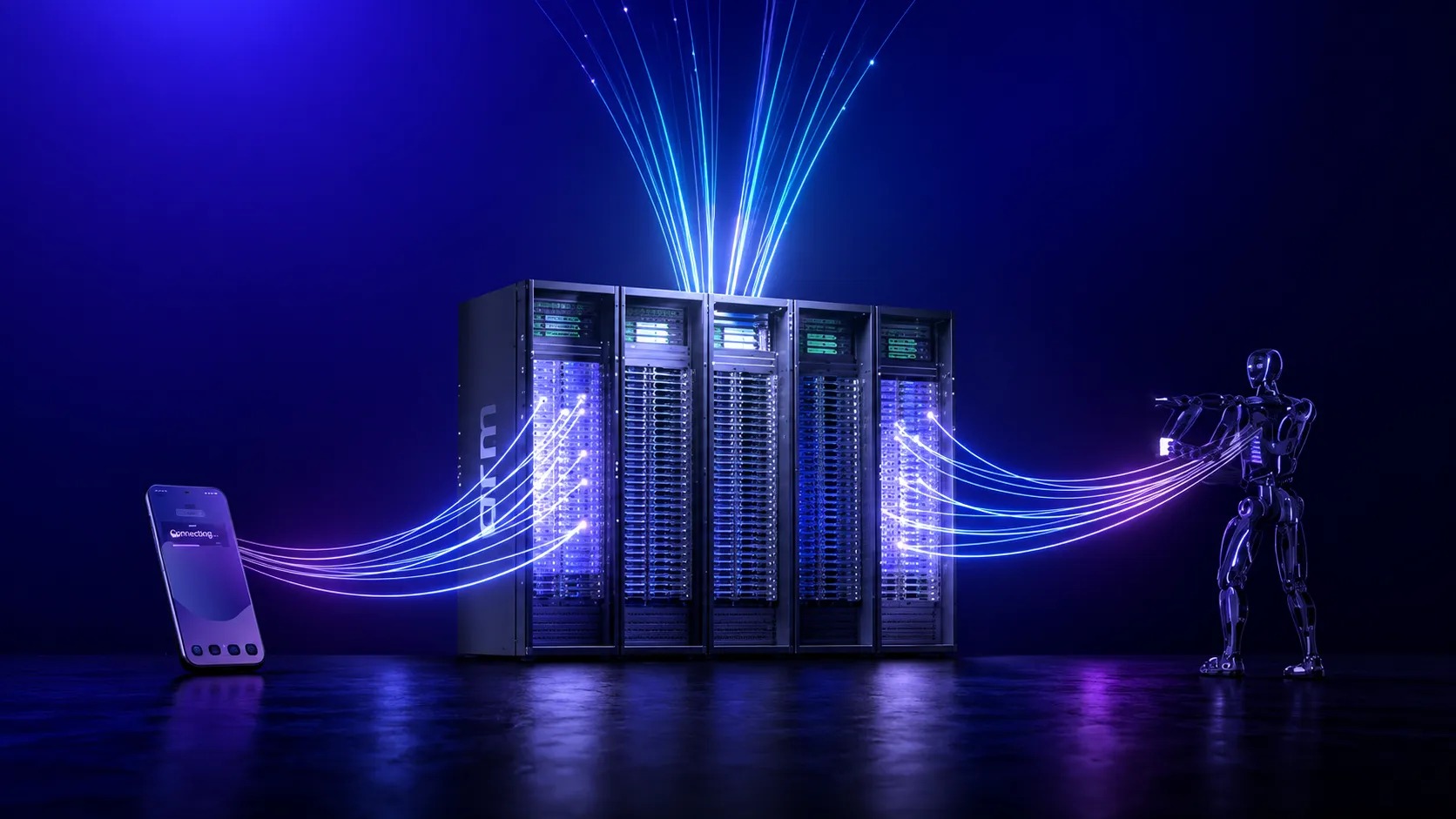
Arm introduced its next-generation Neoverse Compute Subsystem N4 platform, code-named Ranger, on September 8, 2026, offering cloud and infrastructure chip designers configurations ranging from eight to 128 CPU cores per die. Built around Arm's Neoverse N4 architecture and designed for TSMC's N3P manufacturing process, the platform gives customers a semi-custom foundation for building CPUs and other infrastructure processors without needing to develop every underlying component independently.
Arm's Compute Subsystem programme packages CPU cores, cache, memory interfaces, input-output logic and other supporting technology into customisable design blocks that customers can adapt for specific workloads, rather than licensing raw architecture and building an entire chip from scratch. Similar Arm-based technology already underpins processors across major cloud platforms and infrastructure hardware from companies including Microsoft, Google and Nvidia, reflecting the architecture's growing traction in hyperscale data-centre environments that have traditionally been dominated by x86 processors.
The Ranger platform extends that strategy as hyperscale cloud providers increasingly design their own silicon in-house rather than relying exclusively on traditional server-chip vendors — a shift driven partly by the desire for greater control over performance-per-watt characteristics and partly by the sheer scale of custom-silicon investment that leading cloud operators can now justify given their data-centre footprint. Arm's energy-efficiency advantages relative to x86 architectures have been a central factor in the platform's growing adoption across hyperscale environments where power costs represent a substantial share of total infrastructure expenditure.