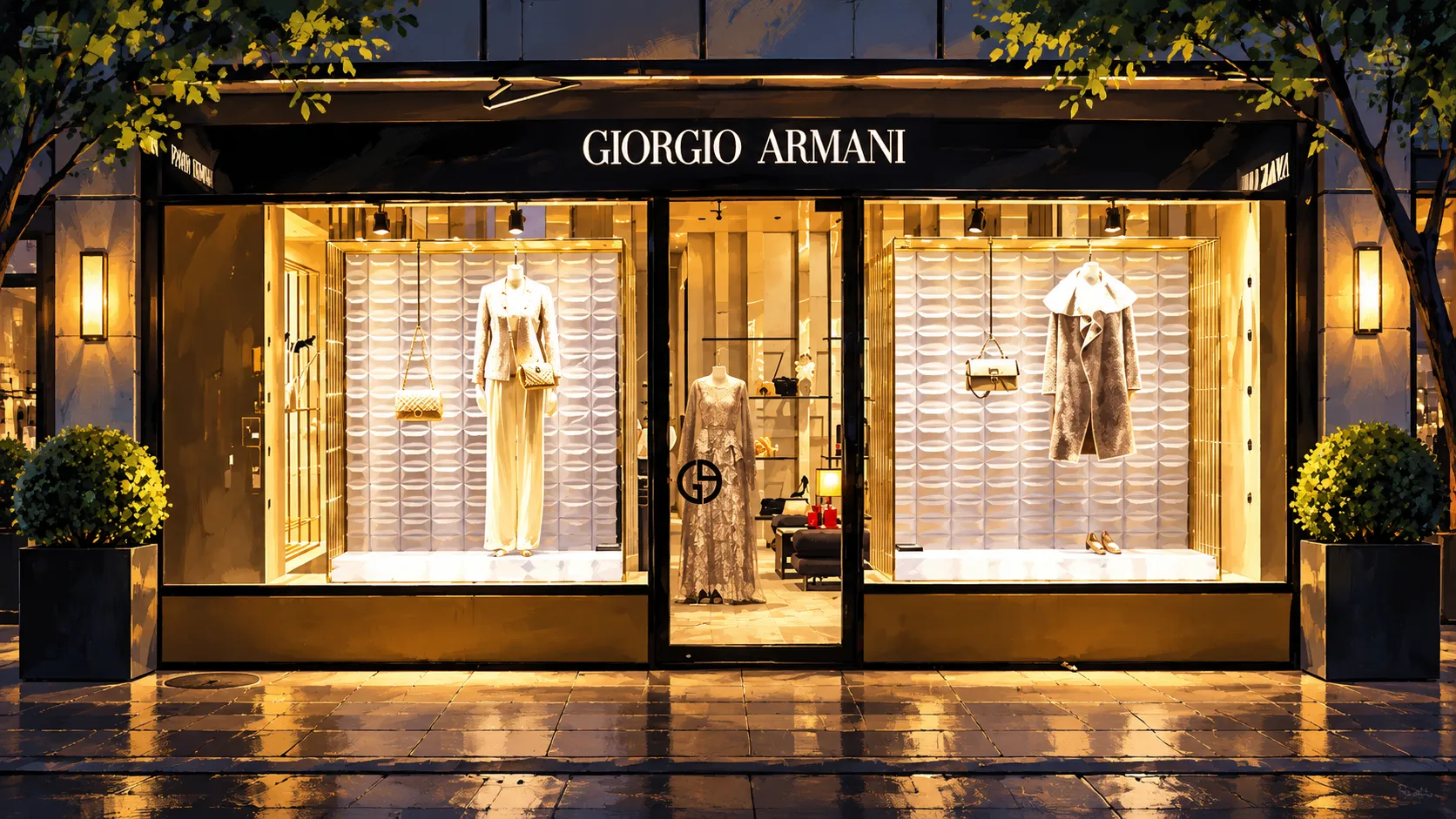
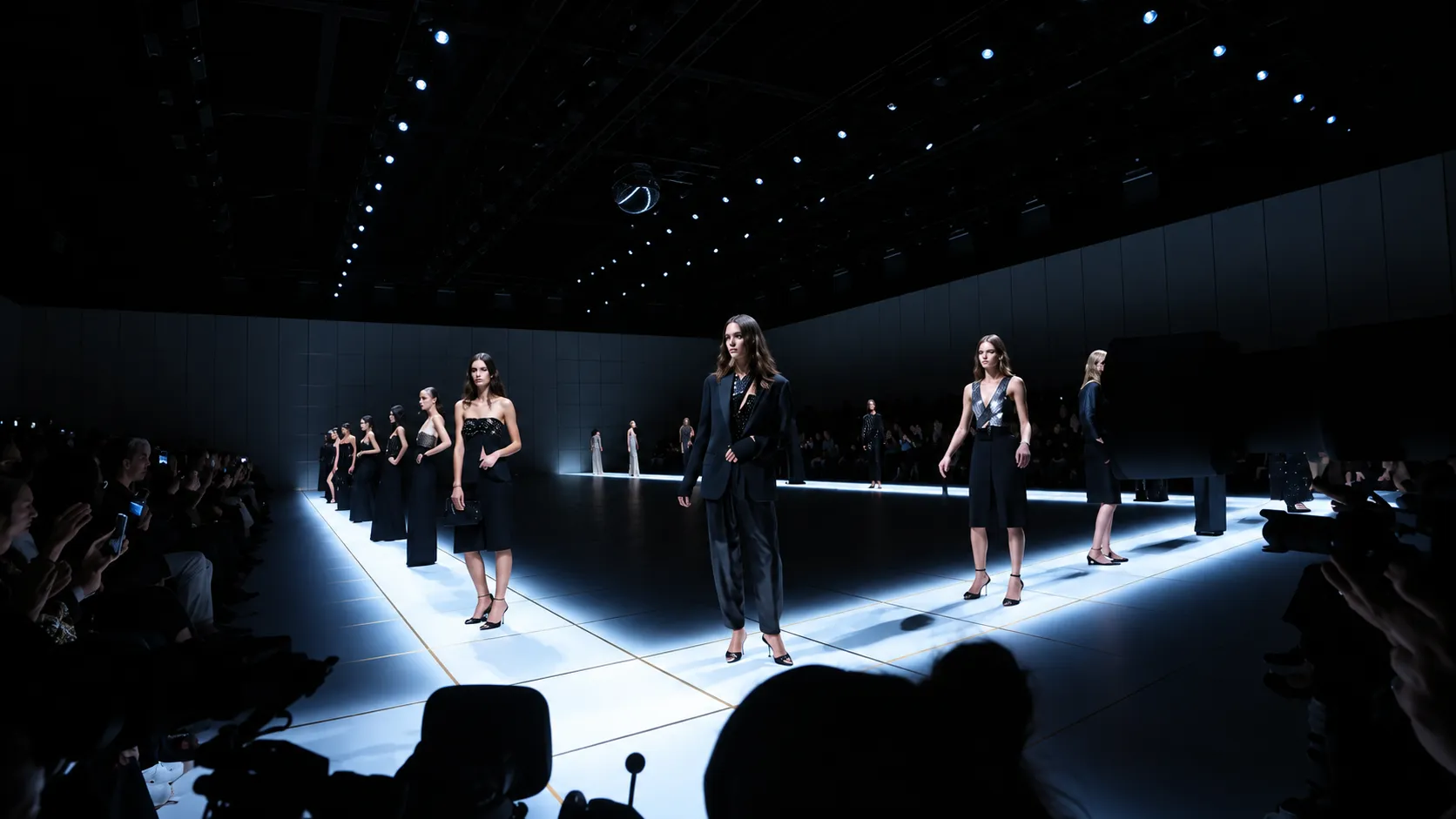
One of the most closely watched transactions in the luxury industry may not follow the script many expected. Armani chief executive Giuseppe Marsocci said the 15 per cent stake that the fashion house must sell under the terms of Giorgio Armani's will need not go to a single buyer. "It is not written in stone that it has to be one investor," Marsocci said, according to a Reuters report published by Business Standard on 27 September. No final decision has been made.
Giorgio Armani, who founded the company in 1975 and built it into one of the world's best-known fashion and lifestyle brands, died in September 2025 at the age of 91. His will instructed that an initial 15 per cent stake be sold within 12 to 18 months of his death, and named three preferred buyers: LVMH, the French luxury group; L'Oréal, the beauty company; and EssilorLuxottica, the eyewear group. It also allowed for other investors "of equal standing".
A consortium option
Marsocci, who became chief executive in October 2025, said the company intends to respect the founder's timetable, subject to reaching agreement on "price and details". The Financial Times has reported that discussions with the three preferred buyers are planned for the coming weeks. One informal option discussed is for the three groups to share the 15 per cent holding.
A split sale would have a certain logic. Each of the three preferred buyers already has a deep relationship with Armani. L'Oréal has held the licence for Giorgio Armani beauty and fragrances for decades, making it one of the most important contributors to the brand's global reach. EssilorLuxottica produces Armani eyewear under licence. LVMH, the world's largest luxury group, would bring scale in fashion, leather goods and retail. Sharing the stake could allow each partner to deepen its ties to the category it knows best without any one of them gaining outsized influence.
Preserving independence
Giorgio Armani was famous for his fierce defence of the company's independence. For decades, he resisted approaches from larger groups and remained sole owner, a rarity among major fashion houses, most of which are now part of conglomerates such as LVMH, Kering or Richemont. His will sought to balance continuity and change: it provided for a gradual opening of the capital to strategic investors while keeping control in the hands of the foundation he established and of people close to him.
As reported after his death, the will also envisaged a further, larger stake sale over the following years, either to the same buyer or through a stock market listing. The first 15 per cent is therefore not only a transaction in its own right but a signal of how the company's ownership may evolve over the next decade. Selling to several strategic partners rather than one would reduce the risk of the house eventually being absorbed into a single group, a consideration that may appeal to those guarding the founder's legacy.
New creative leadership
The stake sale is unfolding alongside changes in creative direction. The company has appointed Dario Vitale as creative director of Emporio Armani and Giorgio Armani accessories. Marsocci has identified accessories as a growth opportunity for the group, an area where many luxury houses generate high margins and where Armani has historically been less prominent than rivals whose leather goods drive profits.
The luxury industry is in a difficult period. After a post-pandemic boom, demand has slowed in several key markets, particularly China, and aspirational consumers have become more cautious. High energy prices and rising interest rates this year have added to the pressure on discretionary spending in Europe and the United States. Many luxury groups have reported slower growth and have focused on protecting brand desirability and margins.
What buyers would gain
For any investor, a stake in Armani offers access to one of the few remaining major independent fashion brands, with global recognition spanning ready-to-wear, accessories, beauty, eyewear, home furnishings, hotels and restaurants. The brand has particular strength in menswear and in its distinctive understated aesthetic, which has aged well while many trend-driven labels have struggled.
The price will be a central issue. Valuations in the luxury sector have come down from their peaks, which could make a deal more attractive for buyers but less so for sellers. Minority stakes in family-controlled companies typically trade at a discount to control positions, and the governance rights attached to the stake, including board representation and future options, will shape what investors are willing to pay.
Timing adds pressure to the negotiations. With the founder's death in September 2025, the 12-to-18-month window set out in the will runs from this autumn to around March 2027. That gives the company and its preferred buyers a limited period to agree on valuation, governance and any arrangements for sharing the stake. A consortium deal involving three large listed groups would require more complex negotiation than a sale to a single buyer, but it could also be the solution most consistent with the founder's wish to keep the house independent.
Why it matters beyond Milan
The Armani sale is being watched as a template for family-owned luxury houses facing succession. Many of Europe's great fashion and luxury brands were founded by individuals whose personal vision defined them, and the question of how to preserve that identity after the founder's death is a recurring challenge. Armani's structured, staged approach, laid out in advance and guided by a foundation, offers one model.
For India's growing luxury market, the outcome also matters. Global brands, including Armani, have been expanding their presence in Indian cities as incomes rise and a new generation of affluent consumers emerges. The ownership structure of those brands influences how aggressively they invest in emerging markets, and a stake held by groups with strong Asian retail networks could accelerate expansion.
The next few weeks of talks will reveal whether LVMH, L'Oréal and EssilorLuxottica are willing to share the stake, and on what terms. Whatever the outcome, the sale marks the first step in opening one of fashion's most independent houses to outside capital, and it will be conducted, as Marsocci has made clear, with an eye on respecting the wishes of the man who built it.