Atomberg Technologies, the Mumbai-based smart-appliance brand best known for popularising energy-efficient BLDC ceiling fans in a category long dominated by legacy electricals giants, is preparing for a stock market debut with a Rs 450 crore fresh issue and an accompanying Rs 90 crore pre-IPO placement, according to details that emerged this week. The move places Atomberg among a growing cohort of profitable, product-led Indian direct-to-consumer companies choosing public markets over successive private funding rounds — a shift that reflects both maturing investor appetite for D2C hardware and the companies' own confidence in sustaining growth without perpetual capital infusion.
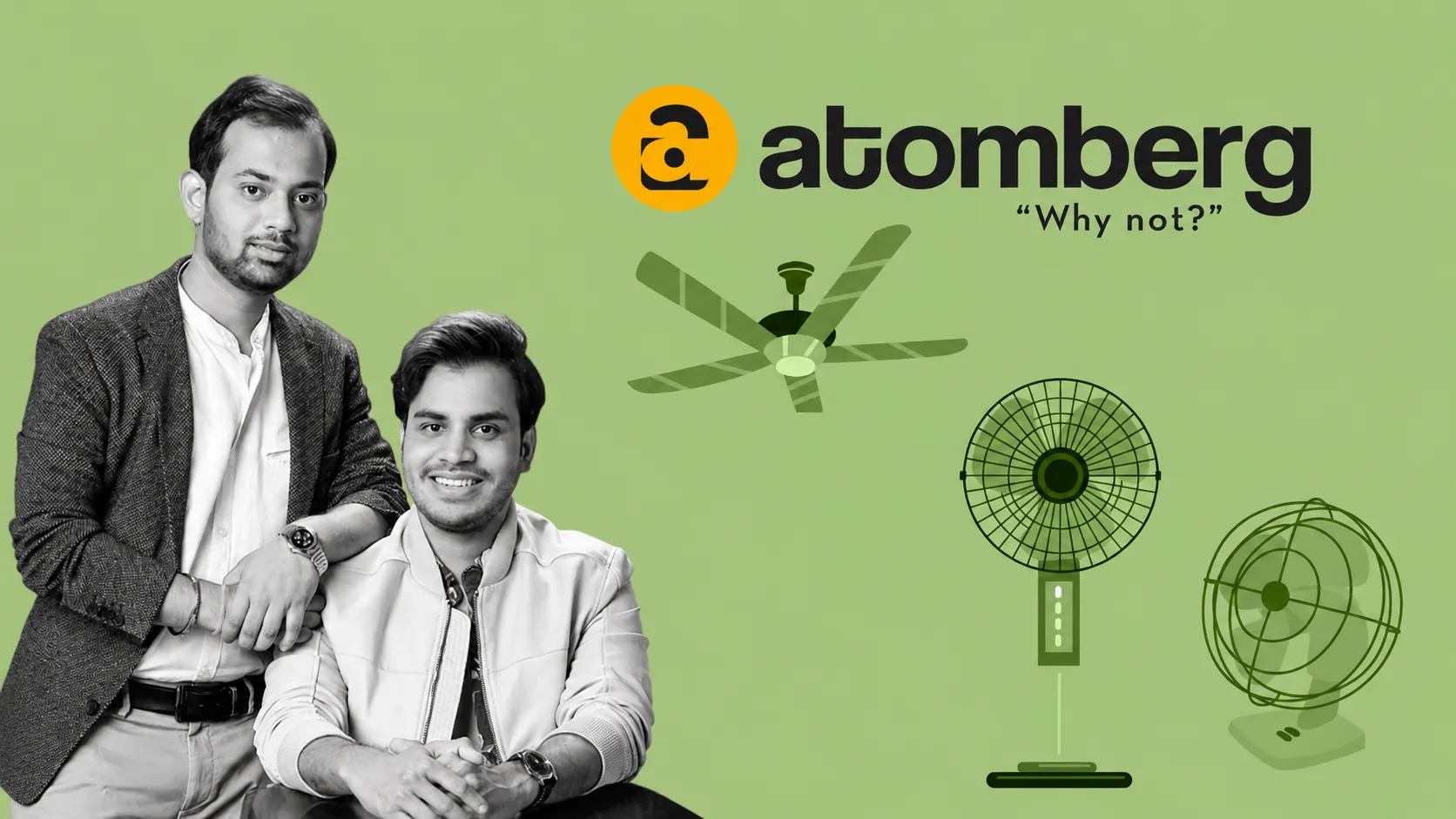
Atomberg's rise has been unusual within India's consumer-technology landscape. Rather than chasing the software-first, asset-light playbook that dominated the last decade of Indian startup investing, the company built its business around a genuinely differentiated hardware proposition: fans and small appliances engineered for meaningfully lower electricity consumption, backed by aggressive digital marketing that reframed a commoditised category as a technology purchase. That positioning allowed it to command premium pricing in a market where consumers had historically treated fans and similar appliances as undifferentiated, low-involvement purchases.
The planned pre-IPO placement of Rs 90 crore, ahead of the larger fresh issue, is a structure increasingly favoured by Indian companies preparing to list, allowing select institutional investors to take positions at a negotiated price shortly before the public offering opens. For Atomberg, such a placement would help validate demand and potentially anchor the eventual IPO pricing, while giving existing shareholders a partial early exit route. The fresh issue proceeds are widely expected to fund manufacturing capacity expansion, new product categories beyond fans — the company has already diversified into water heaters, air coolers and other home appliances — and continued investment in its direct-to-consumer distribution and brand-building efforts.
The timing of Atomberg's IPO preparation is notable against the backdrop of a broader wave of Indian consumer and industrial listings through 2026, several of which have delivered strong debuts even as overall startup funding volumes moderated from their peak. Investors have shown a clear preference for companies that can demonstrate profitability, manufacturing scale and defensible brand equity — criteria that Atomberg, unlike many capital-intensive consumer startups of the previous cycle, appears positioned to meet. Its relatively disciplined capital consumption throughout its growth phase stands in contrast to peers that relied heavily on discounting to build market share.
If the offering proceeds as planned, Atomberg would join a lengthening list of Indian D2C and consumer-hardware brands testing public market appetite for profitable, homegrown manufacturing stories — a category that Indian institutional and retail investors have increasingly rewarded with strong listing-day performance. For founders and operators elsewhere in India's consumer technology sector, Atomberg's approach — engineering-led differentiation paired with capital discipline — is likely to be studied closely as a counter-model to the growth-at-any-cost strategies that defined much of the previous funding cycle.
The company's decision to pursue a public listing rather than continuing to raise successive private funding rounds also reflects a broader shift in exit preferences among India's growth-stage consumer companies and their venture backers. With private markets having grown considerably more selective since 2022, and with a receptive public market appetite for profitable consumer brands now well established following several successful 2025 and 2026 listings, IPOs have increasingly become the preferred liquidity route for companies that have already demonstrated the kind of financial discipline institutional public-market investors demand — a bar that many venture-backed consumer startups still struggle to clear.