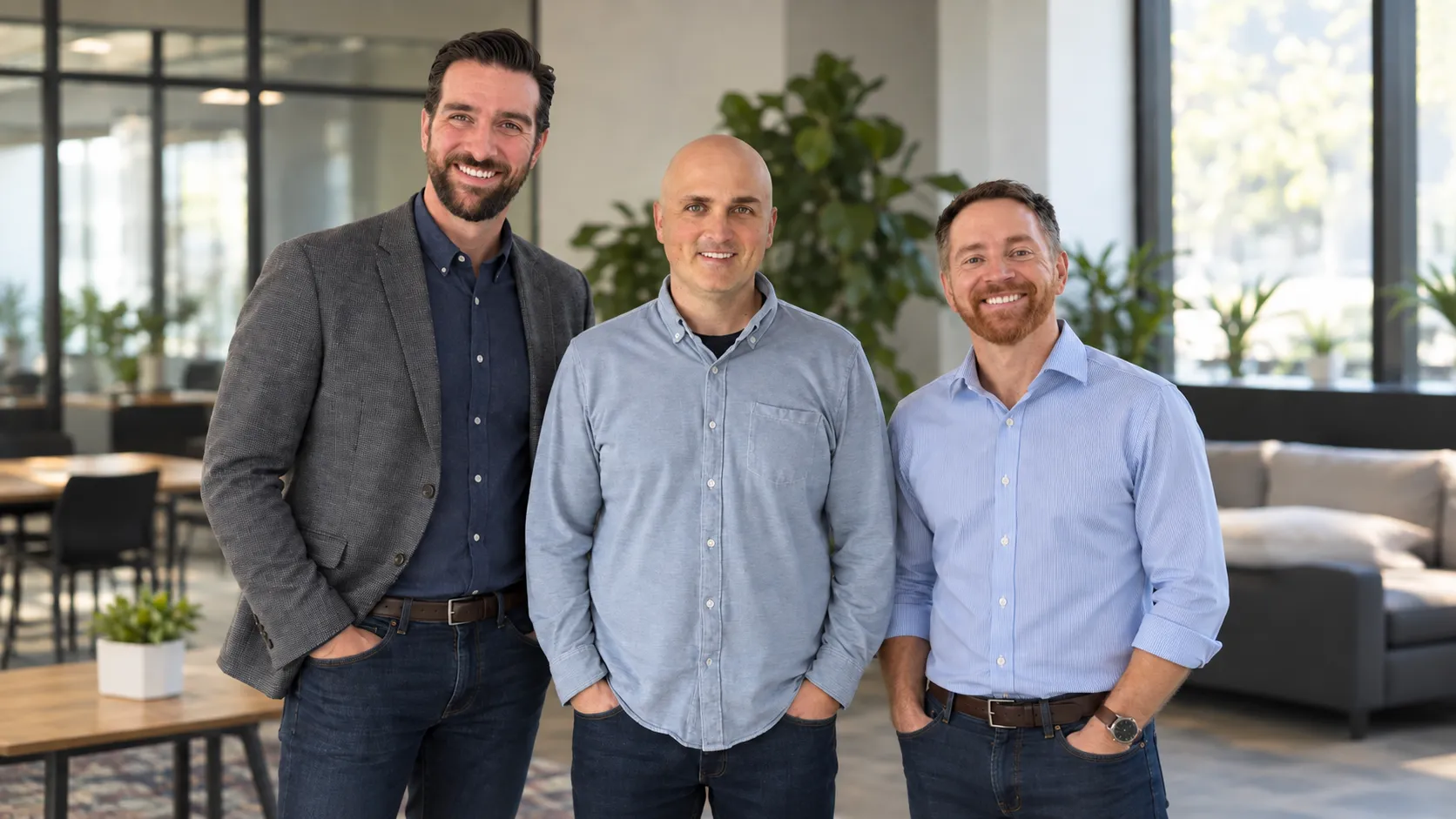
Atomic, a Boston-based startup founded by former Tesla supply chain executives, has raised $12.5 million in a Series A round to expand an AI system that decides how much inventory companies should hold and where it should sit.
The round was co-led by Klass Capital and Madrona Venture Group and brings Atomic's total funding to just over $15 million. The company was incubated at DVx Ventures, the venture studio founded by former Tesla president Jon McNeill. The raise was announced on 29 September 2026.
Atomic was founded by Michael Rossiter and Neal Suidan, who worked on supply chain planning at Tesla. Jeff Goodrich, a longtime planning director at the carmaker, has joined as chief technology officer and third co-founder. Their pitch is simple: supply chain planning is still run on spreadsheets and legacy software that cannot keep up with the speed of modern business, and AI can do better.
Born in the Model 3 ramp
The idea for Atomic grew out of one of the most intense periods in Tesla's history: the 2018 production ramp of the Model 3. As the company struggled to scale manufacturing of its first mass-market car, production plans changed constantly, and conventional planning tools struggled to keep pace. Planners worked with spreadsheets that could not model the knock-on effects of each change across thousands of parts and suppliers.
That experience convinced the founders that supply chain planning needed a different approach. Rather than asking planners to update static forecasts manually, a system could continuously model the supply chain, simulate possible outcomes and recommend, or even execute, decisions about what to buy, how much and when.
Atomic uses AI to build those models and run simulations across scenarios. It then determines optimal inventory levels and placement, taking into account demand forecasts, lead times, costs and constraints such as warehouse capacity and product shelf life.
From recommendations to actions
What sets Atomic apart, according to its backers, is how far it moves from advising planners to acting on their behalf. TechCrunch reported that customers include DoorDash and HelloFresh. McNeill said Atomic's annual recurring revenue has increased fivefold since the start of 2026, and that DoorDash runs roughly 90% of purchasing across hundreds of sites through the platform. Those figures come from an investor and have not been independently verified.
If accurate, they point to a significant level of trust. Allowing software to place purchase orders directly has real financial consequences. Too little inventory leads to stockouts and lost sales; too much ties up cash and, for perishable goods, results in waste. For a food delivery or meal-kit company, where products can spoil within days, getting inventory right is central to profitability.
Why supply chains are ripe for AI
Supply chain planning has long been a target for software, and large vendors such as SAP, Oracle, Blue Yonder, Kinaxis and o9 Solutions offer sophisticated planning systems. Yet many companies still rely heavily on spreadsheets and manual adjustments. Planning processes often run weekly or monthly, while demand and supply can change daily.
The past several years have exposed the costs of that gap. Pandemic disruptions, shipping bottlenecks, geopolitical conflict and tariff changes have forced companies to rethink how they manage inventory. Many swung from lean, just-in-time approaches to building buffer stocks, then struggled with excess inventory when demand shifted. Energy shocks linked to conflict in the Middle East have added a new layer of volatility this year.


