
StartupsTrending6 MIN READ

Automattic's Mullenweg Installs a New Board Weeks After Directors' Failed Attempt to Remove Him

WordPress.com parent Automattic has a new board that includes science-fiction author Hugh Howey and two co-founders of defunct social app IRL, after chief executive Matt Mullenweg used his voting control to reverse a boardroom attempt to put him on leave.

By Nisha Omkumar · Author27 September 2026New
Automattic's Mullenweg Installs a New Board Weeks After Directors' Failed Attempt to Remove Him

Matt Mullenweg, the co-founder of WordPress and chief executive of Automattic, has rebuilt the company's board of directors just weeks after the previous board tried, and failed, to remove him. The new line-up, announced to staff on Friday, is an unconventional group that includes a best-selling science-fiction author and two co-founders of a social app that shut down after it emerged that most of its users were bots.

The appointments are the latest turn in a governance fight that has unsettled one of the internet's most influential software companies. Automattic owns WordPress.com, Tumblr and WooCommerce, and its founder is also the most prominent figure in the open-source WordPress project, which powers a large share of the world's websites.

Thirty-three hours

Earlier this month, on September 9 according to reports, Automattic's board voted to place Mullenweg on paid leave and named chief financial officer Mark Davies as interim chief executive. The move came without advance warning, Mullenweg later said. "They did this without advance warning and without giving me a meaningful opportunity to understand or respond," he wrote.

The brief ouster produced some surreal moments. During the standoff, Mullenweg removed other administrators from the company's Slack and told employees that he was back in control, at one point posting "I'm a pirate now." When TechCrunch asked whether his claims were legitimate, he promised a blog post; when it arrived, it was about buying a houseboat. Automattic confirmed his return the following day.

The attempt did not last. Mullenweg controls about 84% of the company's voting power, a figure he disclosed publicly in 2024, and he used that control to reverse the decision. Automattic later told TechCrunch that the period between his departure and return lasted exactly 33 hours and 20 minutes. In the days that followed, the directors involved left: Toni Schneider, Automattic's founding chief executive who now leads the social network Bluesky, and Sue Decker resigned, and Mullenweg removed retired General Ann Dunwoody. Davies and chief legal officer Andy Missan also left the company, and Automattic replaced its legal counsel.

Mullenweg had described the board's action as a "coup attempt." In a post that reflected his characteristically combative style, he also wrote: "If you don't have a coup attempt every few years, you're not hiring strong leaders."

Who is on the new board

According to TechCrunch, which first reported the details, the new board includes Hugh Howey, the author of the Silo series of science-fiction novels, who has a long personal connection with Mullenweg; the two hiked the Camino de Santiago together in 2018. It also includes Amy Chan, the author of Breakup Bootcamp, who recently promoted Mullenweg's AI website builder on social media.

The other two directors are Henry Khachatryan and Krutal Desai, who co-founded IRL, a social app that shut down after investigations found that nearly all of its user base consisted of bots. The co-founders later sued SoftBank and other investors after SoftBank sued for securities fraud. Mullenweg described Khachatryan as "a founder and builder" who had worked with the late technology writer Om Malik and built journalist Nick Bilton's website.

Automattic has also added advisers: Jaime Waydo, a former chief technology officer at Whoop and co-founder of Curio Studio; Matt Van Horn, co-founder of June; and Hiten Shah, co-founder of KISSmetrics.
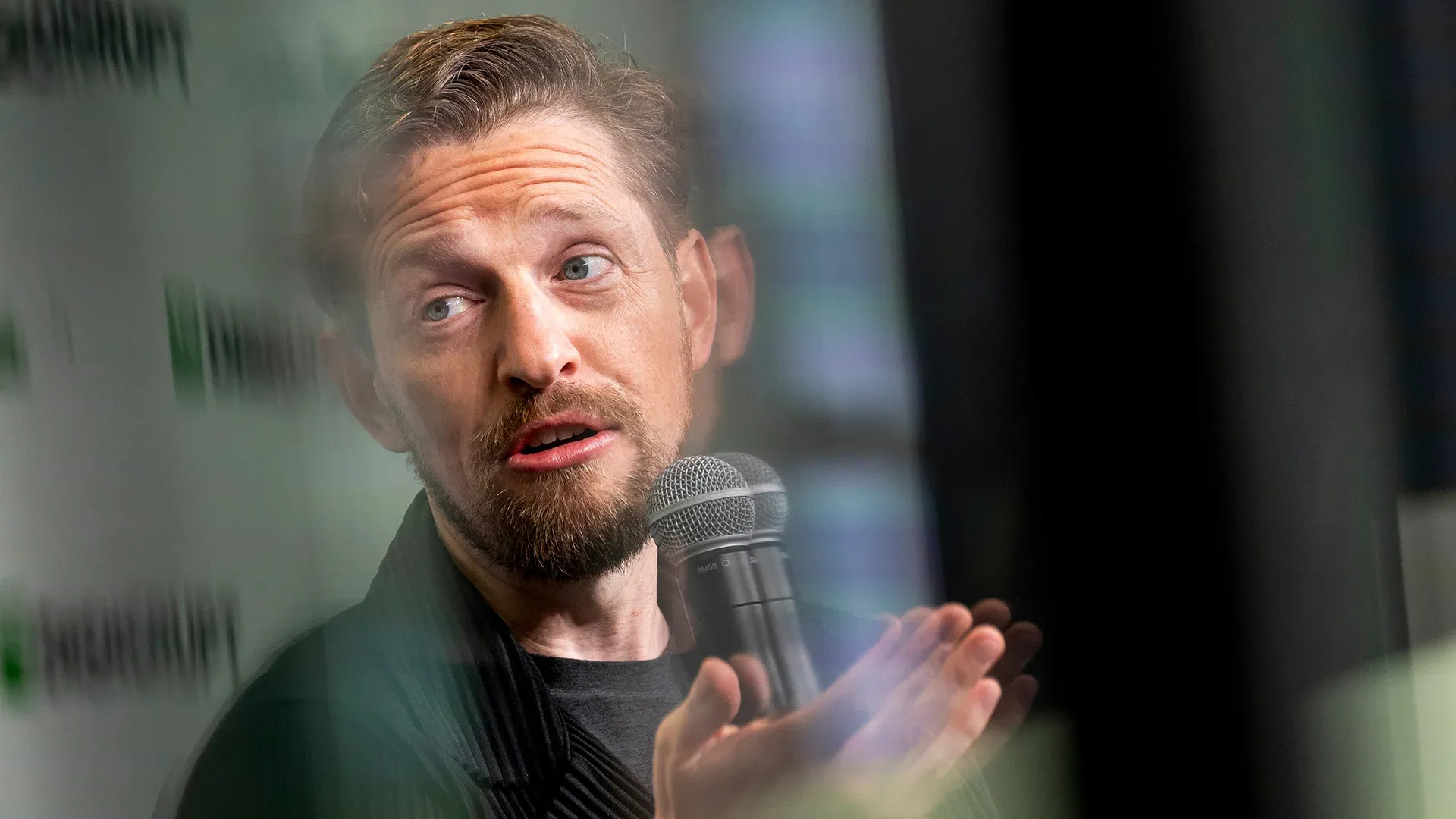

“If you don't have a coup attempt every few years, you're not hiring strong leaders.”
— Matt Mullenweg, CEO, Automattic

image.png

Founder control and its limits

The episode is a vivid illustration of how founder voting control shapes corporate governance. In a conventional company, a board that votes to place a chief executive on leave has the authority to make that decision stick. At Automattic, where the founder controls the overwhelming majority of votes, the board's authority ultimately depends on his consent. When he withdrew it, the board, rather than the chief executive, was the one to go.

Dual-class and founder-controlled structures are common in technology. Supporters argue that they allow founders to pursue long-term strategies without pressure from short-term investors. Critics counter that they weaken accountability, because the people charged with overseeing the chief executive can be replaced by him. The makeup of Automattic's new board, which is composed largely of people with personal or professional ties to Mullenweg and few with conventional corporate governance experience, is likely to reinforce that debate.

The question is timely beyond Automattic. Anthropic, the AI developer, is reported this week to be seeking shareholder approval for a structure that would give its seven co-founders a combined 50.1% of the vote on most matters ahead of a planned listing. Investors in fast-growing technology companies are increasingly being asked to accept arrangements in which founders retain decisive control.

In an announcement to staff, Mullenweg reportedly wrote that "for purposes of Delaware law, I am the CEO, President, Treasurer, and Secretary," and that the attempted removal had brought in "many amazing supporters." He also described the recent board meeting as "the most interesting board meeting in a decade." Looking ahead, he wrote: "We are living through times of unprecedented change, possibly a singularity. The next six months will determine the next 20 years."

The WP Engine dispute in the background

The board shake-up comes as Automattic continues to fight a high-profile legal battle with WP Engine, a WordPress hosting company, over trademarks and the relationship between the commercial and open-source sides of the WordPress ecosystem. WP Engine's lawyers accused Mullenweg in court filings in July of destroying evidence. After retaking control, Mullenweg retained Susman Godfrey, a prominent US trial firm, as new litigation counsel. Whether the board changes are connected to the litigation has not been confirmed.

The board never publicly explained why it tried to place Mullenweg on leave, and Automattic has said it hoped to comment further. That leaves employees, customers and the wider WordPress community with limited information about what prompted the crisis.

Why it matters

For the millions of businesses and individuals who rely on WordPress, stability in the organisations around the project matters. For founders and investors, the Automattic episode is a case study in the trade-offs of founder control: it can protect a company's vision, but it can also leave the board with little practical power when disagreements arise. How the new directors approach their oversight role, and whether Automattic adds more independent voices over time, will be closely watched across the technology industry.

TagsAutomatticMatt MullenwegWordPressCorporate GovernanceBoard of DirectorsFounder ControlTumblrWooCommerceWP EngineHugh HoweyStartupsLeadership

Reader reviews

Sign in to rate and review this article.
Loading reviews…

