India's Bank Nifty index is consolidating within a broad trading range of roughly 57,000 to 58,700, according to technical commentary published September 8, 2026, as traders weigh whether banking stocks can break decisively above resistance or risk drifting back toward lower support levels amid an unsettled global backdrop. The index's near-term direction is being closely watched as a proxy for broader risk appetite within India's financial sector, given banking stocks' outsized weight in overall market sentiment.
Market analysts have identified the 58,000 level as the immediate hurdle for the index: a sustained close above that threshold could open the way toward 58,500–58,700, while failure to clear it risks keeping the index confined to range-bound trade between 57,000 and 58,000 in the sessions ahead. On the downside, a break below 57,000 could strengthen selling pressure and pull the index toward the 56,500–56,200 zone — a level that combines the index's 52-week exponential moving average with the lower boundary of a broader nine-week trading range, making it a technically significant support area.
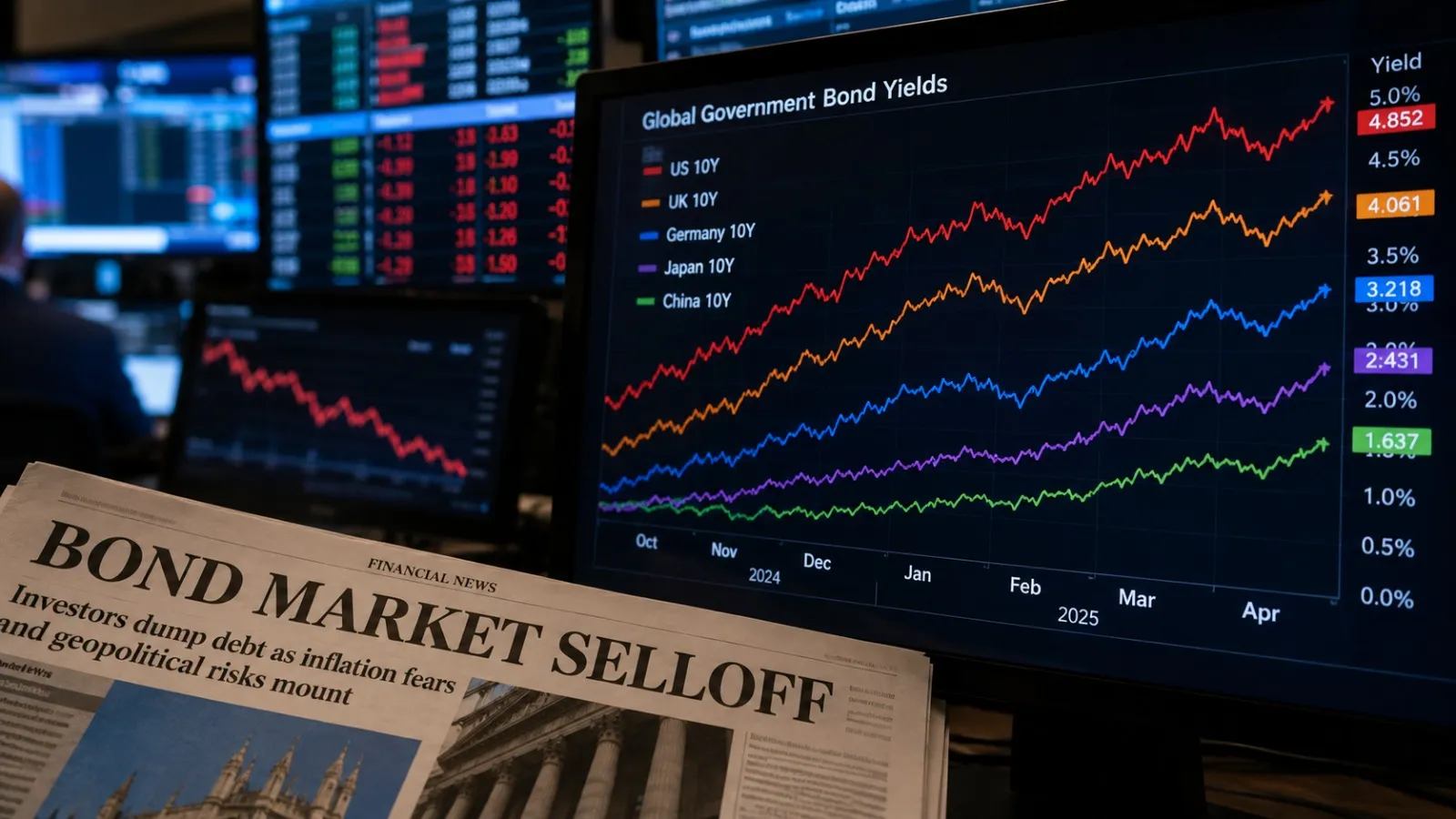
The consolidation comes as Indian banking stocks navigate a mixed set of crosscurrents: elevated global bond yields and rising oil prices have historically pressured rate-sensitive financial stocks, even as India's domestic credit growth and asset-quality trends have remained broadly constructive through 2026. That tension between a supportive fundamental backdrop and a more cautious macro environment helps explain why the index has been range-bound rather than trending decisively in either direction over recent sessions, with neither bulls nor bears able to establish clear control.
For investors, the current consolidation phase in Bank Nifty underscores the importance of the broader macro catalysts — particularly oil prices and any developments around Middle East tensions — that could ultimately determine whether the index breaks toward its upper or lower boundary. Until a clearer directional signal emerges, technical traders are likely to continue treating the 57,000–58,700 range as the operative framework for positioning in India's banking benchmark.