
The Bank of Japan convened its two-day monetary policy meeting on September 17, 2026, with economists surveyed ahead of the decision nearly unanimous in expecting the central bank to raise its policy rate by 25 basis points to 1.25 percent. The anticipated move would extend Japan's gradual, multi-year exit from the ultra-accommodative monetary policy stance the country maintained for decades, as the Bank of Japan continues normalising rates in response to inflation dynamics that have proven more persistent than the central bank anticipated when it first began raising rates from near-zero levels several years ago.
The meeting arrives at a moment of heightened attention across global bond markets, with Japanese government bond yields having already climbed to fresh multi-decade highs in the sessions preceding the meeting, mirroring the broader global repricing of interest-rate expectations that has also driven U.S. Treasury yields to their highest levels since 2007. That synchronised global bond-market pressure has left investors parsing not just whether the Bank of Japan will deliver the widely expected hike, but more importantly, what signal the central bank's accompanying commentary sends about the pace and scale of further tightening likely to follow over the coming year.
Japan's path toward monetary policy normalisation carries outsized significance for global capital markets given the country's historical role as a major source of global liquidity, with Japanese investors having deployed vast sums of capital into overseas assets during the decades of near-zero domestic interest rates in search of higher yields abroad, a dynamic commonly referred to as the yen carry trade. As Japanese rates climb and domestic yields become more attractive relative to the risk-adjusted returns available on comparable overseas assets, the pace at which Japanese capital potentially repatriates back to domestic markets has become an increasingly closely watched variable for global asset managers, given the scale of capital flows involved and the potential for sudden unwinding of carry-trade positions to generate outsized volatility across global currency and bond markets.
For Japan's own economy, the rate decision reflects the Bank of Japan's continued effort to balance genuine progress on its long-standing battle against deflation against the risk of tightening too aggressively and undermining a fragile economic recovery that has, in recent years, finally begun generating the kind of sustained wage growth and inflation the central bank spent decades trying to engineer through unconventional monetary policy tools including negative interest rates and large-scale asset purchases that defined much of the post-2008 era of Japanese monetary policy.
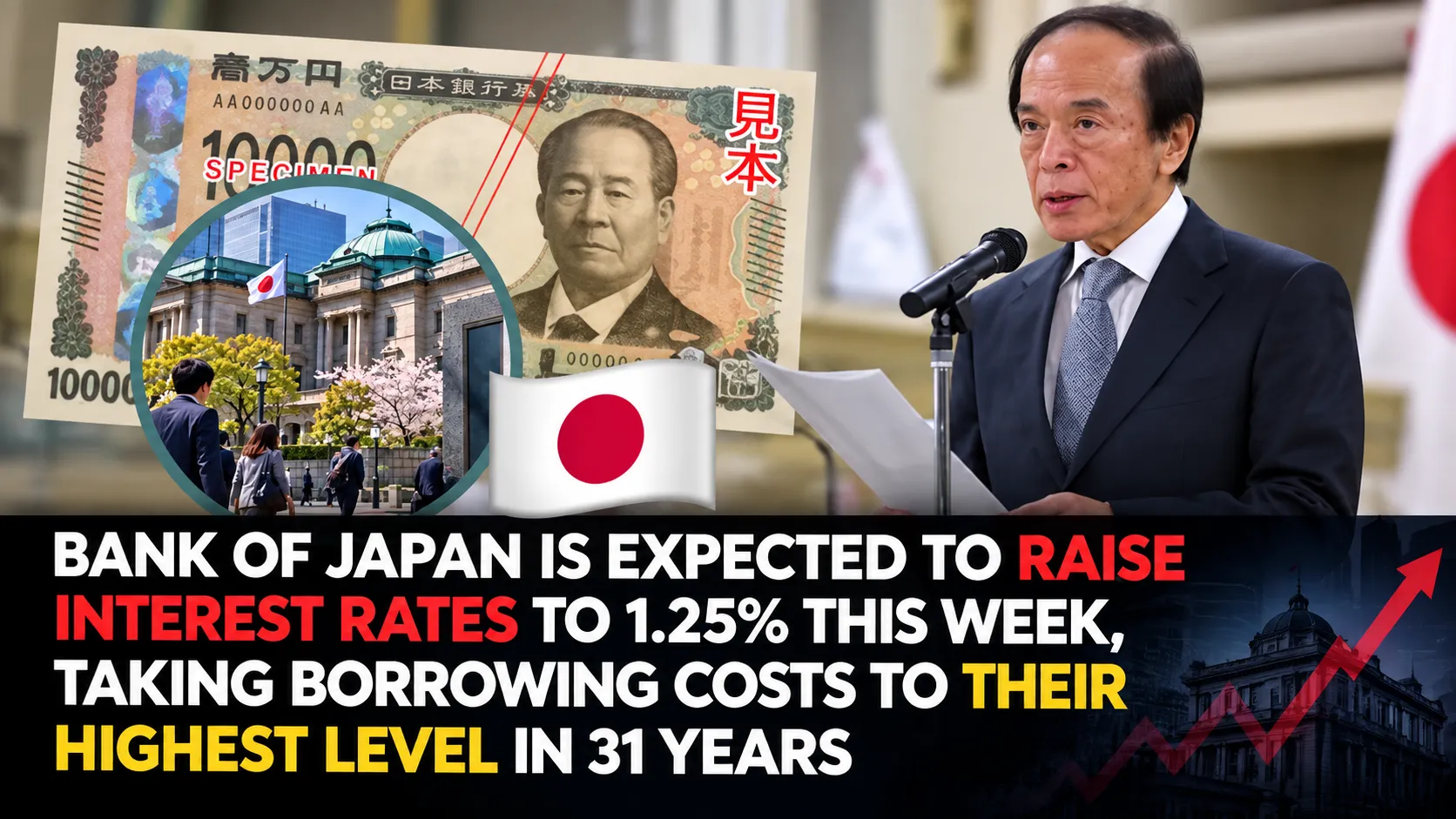
Market attention following the decision is likely to focus heavily on the Bank of Japan's forward guidance and any signals regarding the pace of subsequent tightening, given that the immediate 25 basis-point move itself has been so thoroughly priced in by markets that the rate decision alone carries limited scope to surprise investors. Governor commentary around the balance of risks to inflation and growth, alongside any updated economic projections accompanying the decision, are likely to prove more market-moving than the headline rate move itself, particularly for currency markets where the yen's trajectory against the dollar remains highly sensitive to shifts in the perceived pace of Japan's monetary normalisation relative to the Federal Reserve's own tightening cycle.