The Bank of Japan may be preparing to move faster than markets expected. The central bank could raise its benchmark interest rate for a second consecutive month at its October policy meeting, according to a Bloomberg report cited by CNBC-TV18 on Monday, earlier than many economists had forecast. A back-to-back increase would mark a significant acceleration in Japan's exit from the ultra-loose monetary policy that defined its economy for most of the past three decades.
The report comes days after the BOJ raised rates in September, a decision that was not unanimous. Two board members, Toichiro Asada and Ayano Sato, voted against the increase. The split contributed to a weakening of the yen after the announcement, as some traders read the dissents as a sign that further tightening might be slow. The prospect of an October move challenges that interpretation.
A synchronised tightening
September was historic for global monetary policy. It was the first time the Bank of Japan, the US Federal Reserve and the European Central Bank all raised interest rates in the same month. The Fed lifted rates for the first time since 2023, responding to inflation pressure from high energy prices linked to the conflict involving Iran and disruption in the Strait of Hormuz. The ECB also tightened, and the BOJ followed with its own increase.
For Japan, the motivation is partly domestic. After decades of deflation or near-zero inflation, Japanese consumer prices have been rising at rates above the BOJ's 2 per cent target for an extended period, and wage settlements have strengthened. The weak yen, trading around 157 to 158 per dollar, has added to imported inflation, particularly for energy and food, which Japan imports in large quantities.
The yen question
Currency markets are central to the BOJ's calculations. The yen weakened about 0.3 per cent to around 157.70 per dollar in early Monday trade. A persistently weak yen raises the cost of imports, squeezes household purchasing power and fuels political pressure on the central bank and the government to act. US Treasury Secretary Scott Bessent has publicly supported a stronger yen, a notable position from a US official that has reinforced expectations of further Japanese tightening.
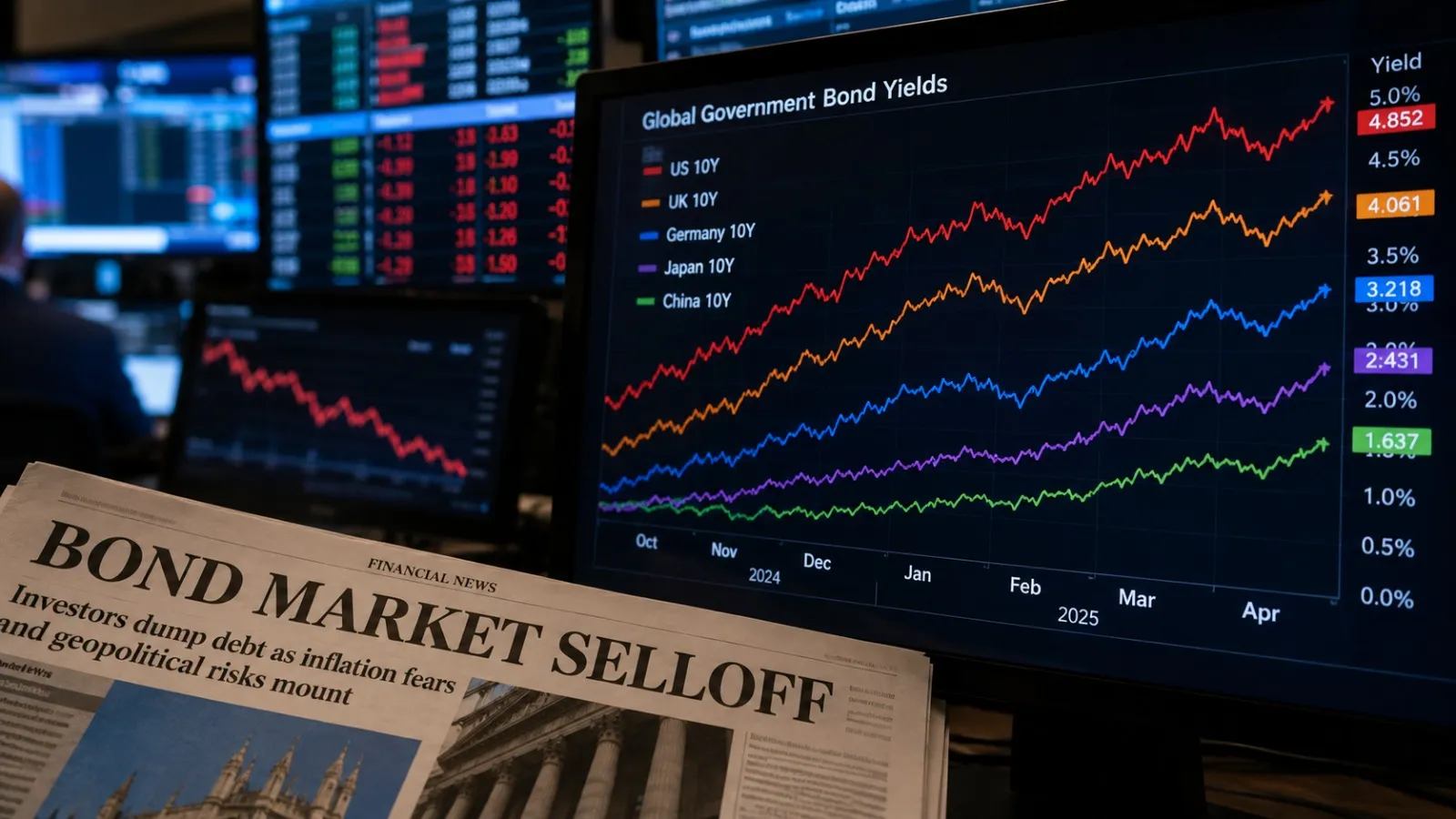
A second rate increase in October would narrow the interest-rate gap between Japan and the United States, which has been the main driver of yen weakness. But with US 10-year Treasury yields above 5 per cent and the Fed potentially raising rates again, the differential will remain wide. The BOJ can slow the yen's decline; it is unlikely to reverse it on its own.
Why the world watches Tokyo
Japan's monetary policy matters far beyond its borders. For years, near-zero Japanese interest rates made the yen the world's preferred funding currency for the so-called carry trade, in which investors borrow cheaply in yen and invest in higher-yielding assets elsewhere, from US Treasuries to emerging-market bonds and equities. When Japanese rates rise, or when the yen strengthens sharply, those trades can unwind quickly, forcing investors to sell assets globally to repay yen loans.
The risk is not theoretical. In August 2024, an unexpected BOJ rate increase combined with weak US data triggered a rapid unwinding of carry trades and a sharp one-day sell-off in global equities, including a fall of more than 12 per cent in Japan's Nikkei 225. Markets have since become more attentive to BOJ signals, and a clearer communication path is one reason reports of an October move matter.