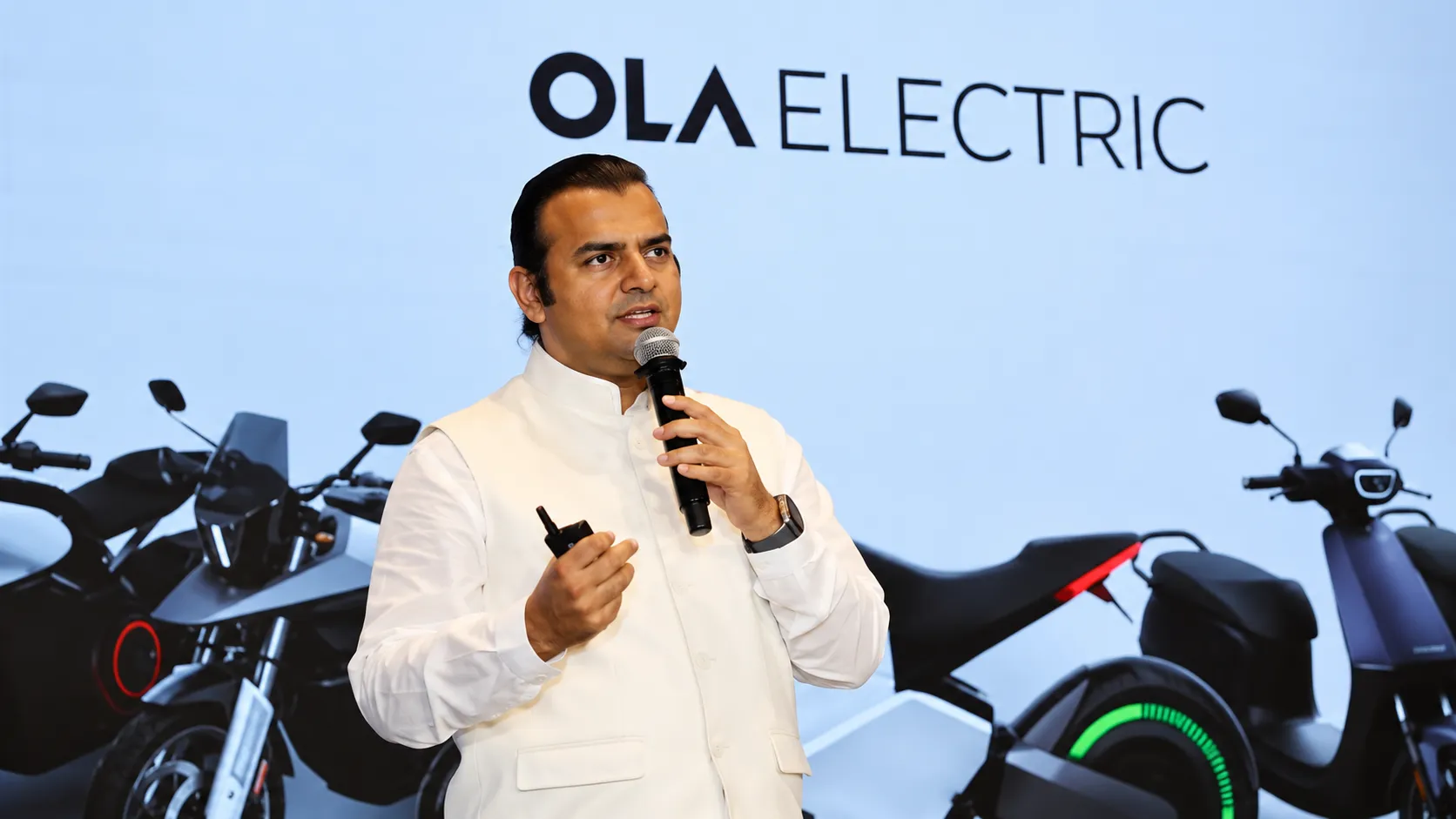
Bhavish Aggarwal, founder and chairman of Ola Electric Mobility, has pledged 4.32% of the electric two-wheeler maker's equity to raise money for his own participation in the company's planned rights issue. The move puts promoter-level leverage back on Ola Electric's shareholding less than a year after Aggarwal sold shares specifically to wipe it out.
According to disclosures filed with the stock exchanges under India's takeover regulations, 20 crore shares held by Aggarwal have been pledged in favour of CTL Trusteeship Limited, the debenture trustee, against non-convertible debentures issued by Krutrim Data Centre Private Limited, an entity linked to his artificial intelligence venture Krutrim. Reports based on the filings put the date of the pledge at 30 September.
In a statement issued on Sunday, 4 October, Ola Electric sought to reassure investors about the purpose of the encumbrance. "This pledge is solely to fund his subscription to the issue, and there are no other pledges to his securities currently; no shares are being sold," the company said. "The promoter will invest alongside all other shareholders on the same terms."
A ₹1,000 crore call on shareholders
The pledge follows a board decision on 28 September approving the issue of partly paid-up equity shares with a face value of ₹10 each, for an amount not exceeding ₹1,000 crore, by way of a rights issue to eligible shareholders.
A partly paid structure allows shareholders to pay only a portion of the issue price upfront, with the balance called up in one or more later instalments. For a company in a capital-intensive business, the design spreads the cash burden on investors over time. It also gives the board flexibility on when the full amount actually arrives in the company's accounts.
Key terms, including the issue price, the entitlement ratio, the record date and the schedule of payment calls, had not been disclosed at the time of writing. They are expected to be set out in the letter of offer. Those details will determine how attractive the issue looks to minority shareholders, many of whom are sitting on losses.
Why the pledge matters
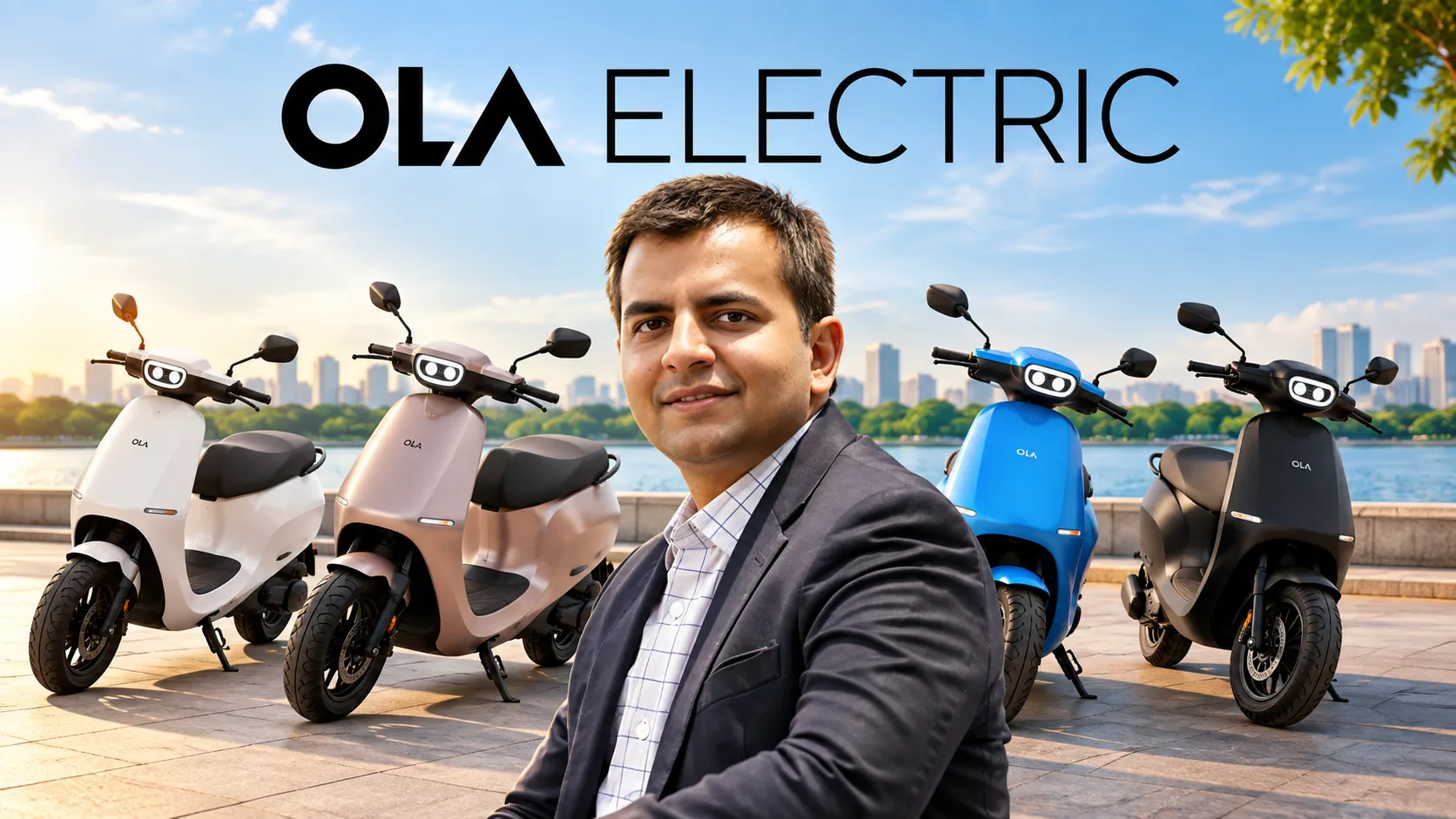
On its own, a promoter pledging shares to subscribe to a rights issue is not unusual in Indian markets. Founders who want to avoid dilution often need cash they do not hold in liquid form, and borrowing against existing shares is the most common route.
What makes this pledge notable is its history. In December 2025, Aggarwal sold a little more than 1.5% of Ola Electric in open-market transactions, raising about ₹234 crore, to repay a promoter-level loan of roughly ₹260 crore and release all of his pledged shares. At the time, the company said the sale reflected the founder's conviction that Ola Electric should operate with zero pledge overhang. After that monetisation, the promoter group still held around 34% of the company.
Ten months later, a fresh pledge of 4.32% is on the books. The company's framing is that this one is different in kind: it is tied to putting new money into Ola Electric rather than funding ventures outside it. Investors will judge that argument partly on how the debentures backing the pledge are structured, and on what protection exists if the share price falls further.
Share pledges matter to equity investors because a sharp drop in the stock can trigger margin calls. If the borrower cannot add collateral, lenders may sell pledged shares into a falling market, which can add to volatility. That risk is why markets have historically treated high promoter pledging as a negative signal.
A stock under pressure
Ola Electric's shares have had a difficult year. On 25 September, days before the board meeting, the stock broke a four-day winning run and fell as much as 9% intraday to ₹38.75, from a previous close of ₹42.52. At that point the shares were up about 4% since the start of 2026 but down roughly 30% over the previous 12 months. They also trade well below the ₹76 price at which Ola Electric went public in August 2024.
A rights issue priced at a discount to the market can add further pressure in the short term, as some shareholders sell their entitlements or choose not to subscribe. Conversely, a fully subscribed issue backed by the founder can be read as a vote of confidence. Aggarwal's decision to borrow in order to take up his entitlement is clearly intended to send that second signal.
Losing ground in a growing market
The fundraising comes as India's electric two-wheeler market grows quickly and Ola Electric's share of it shrinks.
Vahan registration data analysed by Inc42 show electric two-wheeler registrations rose 12.2% month on month in September to about 2.07 lakh units, nearly double the 1.05 lakh recorded in September 2025. The legacy manufacturers took most of that growth. TVS Motor registered 53,989 units, a 26% share. Bajaj Auto recorded 48,383 units and 23.4%, and Hero MotoCorp posted 24,306 units after a 27% monthly jump. Ather Energy sold 30,479 units.
Ola Electric registered 13,449 units, down 3.5% from August. That works out to roughly 6.5% of the market, a striking decline for a company that led the segment not long ago. Industry analysts point to sub-₹1 lakh scooters and battery-as-a-service plans from incumbents as factors lowering the price of entry and intensifying competition for younger players.
That backdrop explains why the rights issue matters. Ola Electric has made large bets on vertical integration, including in-house battery cell manufacturing, which require continued capital expenditure even as volumes soften. Fresh equity from existing shareholders reduces dependence on debt and buys time for products and service improvements to rebuild demand.
What investors will watch
Three things will shape the market's verdict over the coming weeks.
The first is pricing. A deep discount would make the issue easier to fill but would deepen the paper losses of investors who bought at higher levels. A shallow discount would test how much faith minority shareholders still have.
The second is the take-up beyond the promoter. Institutional participation, or its absence, will indicate how professional investors view Ola Electric's path back to growth.
The third is operational. Monthly registration data, the progress of the company's cell manufacturing plans and its service experience will matter more to long-term value than the mechanics of any single fundraising.
For now, Aggarwal has chosen to put his own balance sheet behind the company again, using the same instrument he publicly retired less than a year ago. Whether the market rewards that commitment will depend on what Ola Electric does with the money.