FundingLatest Deals5 MIN READ

Biryani Bees Raises $1 Million From Vivek Oberoi Family Office to Expand Central-Kitchen Model

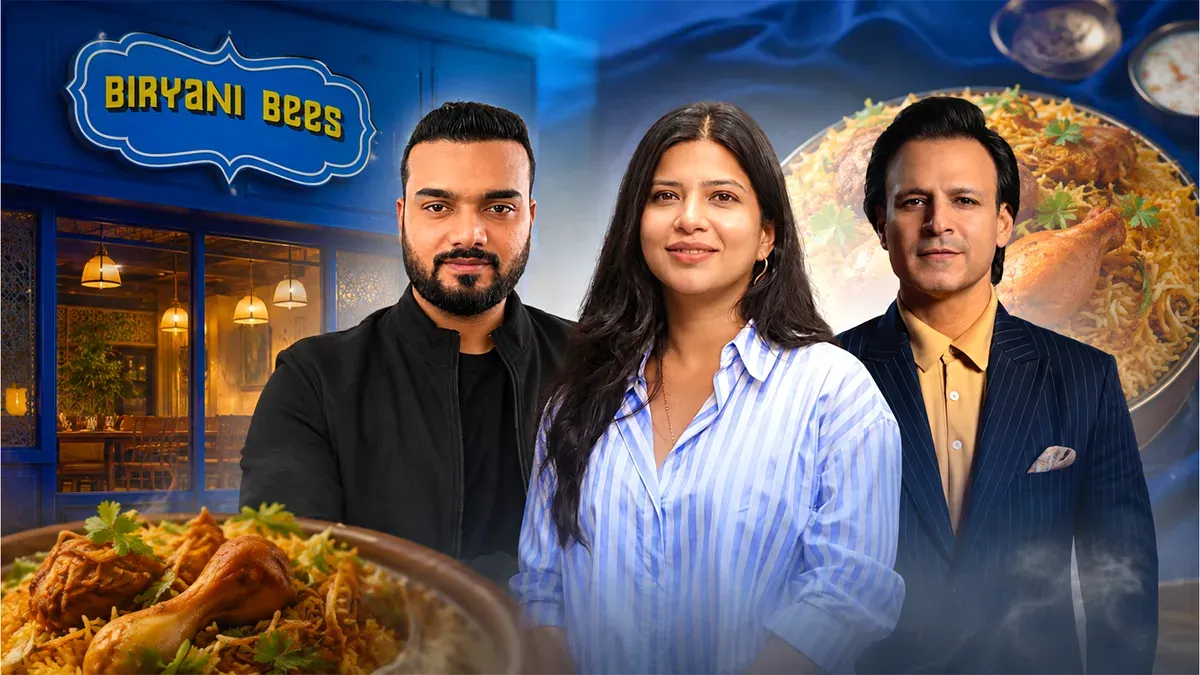
Biryani and Indian meals brand Biryani Bees has raised $1 million from the Vivek Oberoi Family Office to expand its central-kitchen-led model to ten outlets and build a repeatable expansion playbook.

By Nisha Omkumar · Author28 August 2026None
Biryani Bees Raises $1 Million From Vivek Oberoi Family Office to Expand Central-Kitchen Model

Biryani Bees, a biryani and Indian meals brand built around a central-kitchen operating model, has raised $1 million from the Vivek Oberoi Family Office. The investment marks a notable vote of confidence from a prominent celebrity-backed family office into a food-and-beverage category that remains intensely competitive and margin-sensitive, even as India's organised restaurant and cloud-kitchen sector continues to attract steady investor interest.

Founded by Nitin Tiwari and incubated by Wolfpack Labs, Biryani Bees currently operates three outlets across Uttar Pradesh, generating an annual revenue run rate of approximately ₹25 crore while maintaining profitability — a detail that distinguishes it from many venture-backed food brands still burning cash to acquire customers. The company's central-kitchen model is designed to standardise food quality and pricing across locations as it scales, a structural choice intended to avoid the quality-control challenges that have historically plagued restaurant chains expanding rapidly across diverse geographies.

The fresh capital is earmarked for a specific, near-term milestone: expanding the brand's footprint to ten outlets and proving that its operating model holds across multiple Indian states, rather than remaining a regionally successful concept confined to Uttar Pradesh. Alongside physical expansion, the funds will strengthen central-kitchen infrastructure and help the company build what its founders describe as a repeatable expansion model — the operational playbook needed before pursuing a larger institutional funding round.

That sequencing reflects a increasingly common approach among Indian food-and-beverage startups burned by the aggressive, capital-intensive expansion strategies that characterised the sector's earlier funding cycles. Rather than raising large rounds to fund rapid multi-city rollouts, Biryani Bees appears to be deliberately proving unit economics and operational consistency at a smaller scale first, using profitability as a credibility signal for future fundraising rather than growth velocity alone.

India's biryani and regional cuisine delivery market remains highly fragmented, dominated by both hyperlocal independent restaurants and a handful of venture-backed brands attempting to bring franchise-style consistency to a dish with deeply regional variations in preparation and taste. Standardising a product as culturally and regionally contested as biryani — where preferences vary significantly between Lucknowi, Hyderabadi and other regional styles — represents as much a culinary challenge as an operational one.

For the Vivek Oberoi Family Office, the investment adds to a growing pattern of celebrity-backed capital flowing into India's consumer food brands, often bringing marketing and brand-building expertise alongside financial backing. Whether that combination accelerates Biryani Bees' path to a larger institutional round will depend heavily on whether its central-kitchen model can maintain both profitability and food-quality consistency as it moves beyond its home state for the first time.

India's cloud-kitchen and delivery-first restaurant sector experienced a wave of aggressive, venture-funded expansion during the pandemic years, when several well-capitalised brands pursued rapid multi-city rollouts only to face significant retrenchment once delivery volumes normalised and unit economics came under closer scrutiny from investors. That boom-and-correction cycle has left many food-and-beverage founders, and the investors who back them, considerably more disciplined about the sequencing of growth capital and physical expansion than during the sector's earlier funding peak.
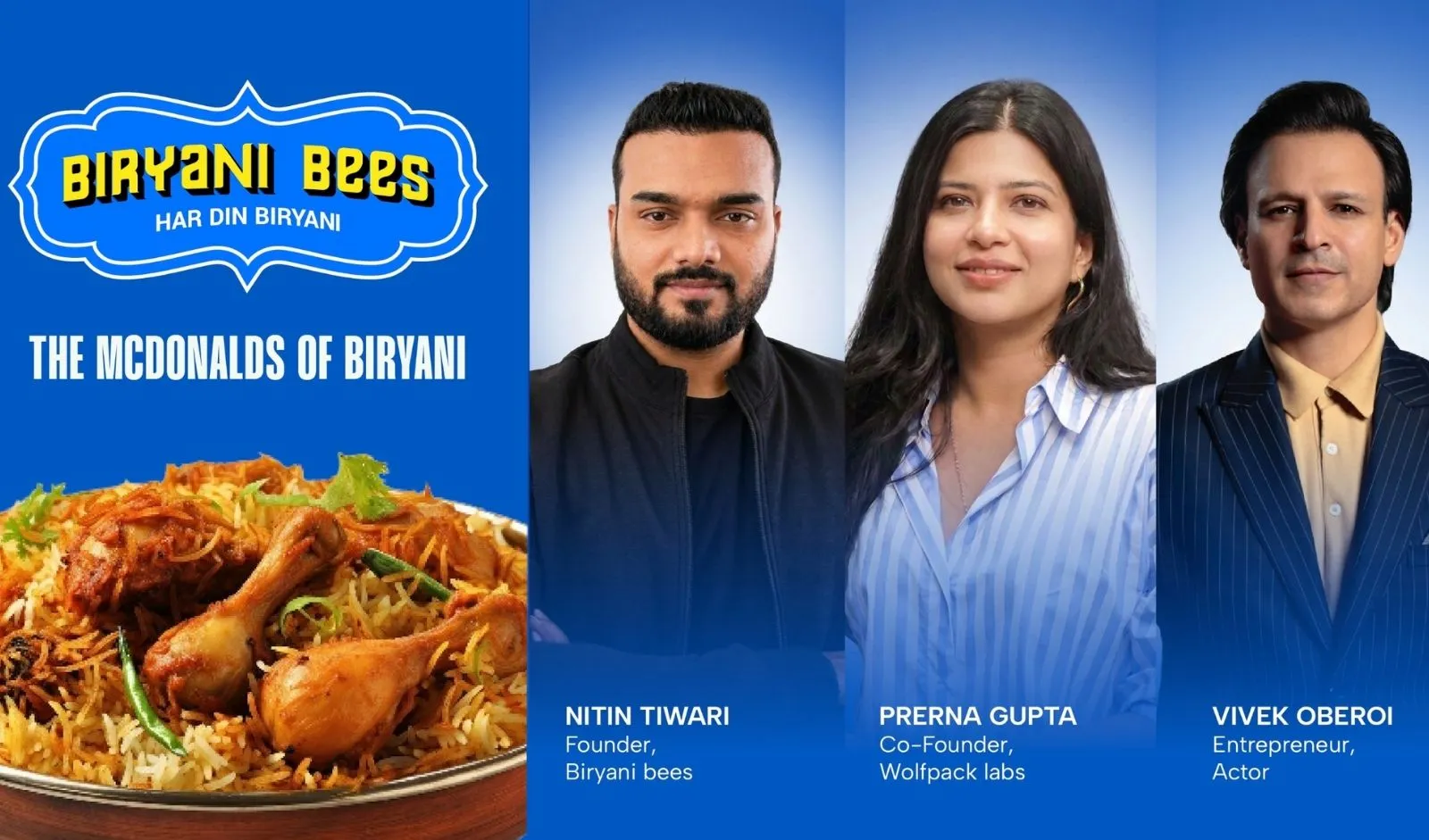

Proving unit economics and profitability at a small scale first, rather than raising big for rapid rollout, reflects lessons learned from India's earlier food-tech funding cycles.
TIGI Analysis

image.png

Biryani Bees' emphasis on achieving profitability at just three outlets before pursuing broader expansion reflects lessons learned from that earlier cycle. Rather than treating profitability as an eventual outcome of scale, the company appears to be treating it as a prerequisite for expansion — a sequencing choice that, while more conservative, may prove more resilient to the kind of funding-environment shifts that have periodically destabilised more aggressively expanding food-tech ventures over the past several years.

The central-kitchen model itself carries both operational advantages and risks specific to the category. Centralising food preparation allows for tighter quality control, more efficient procurement and lower per-outlet capital expenditure compared to full-service restaurant formats, but it also introduces single points of failure: any disruption to the central kitchen — whether from equipment failure, supply-chain issues or regulatory action — can simultaneously affect every outlet the kitchen serves, a risk that becomes more consequential as the network expands from three outlets to the targeted ten.

Biryani as a category presents distinctive branding and standardisation challenges given its deep regional variation across India — Lucknowi, Hyderabadi, Kolkata and Sindhi biryani traditions each carry distinct preparation methods, spice profiles and cultural associations that vary significantly by region. A brand attempting national standardisation must navigate consumer expectations that differ meaningfully depending on geography, a challenge that more geographically neutral cuisine categories do not face to the same degree.

As Biryani Bees begins testing its model beyond Uttar Pradesh, the company's ability to replicate both its operational profitability and its product quality in new state markets — each with distinct local competition, ingredient sourcing dynamics and consumer taste preferences — will serve as the clearest signal of whether its central-kitchen approach can genuinely scale nationally, or whether it will need further refinement before attempting the kind of larger institutional fundraise its founders are ultimately targeting.

Incubation through Wolfpack Labs has likely provided Biryani Bees with structured mentorship and investor introductions that many independently founded food brands lack in their earliest stages, a support structure that may partly explain how the company reached profitability faster than many venture-backed peers in the category. As it pursues its ten-outlet target, the brand's next major test will be whether that same disciplined, incubator-informed approach can survive contact with the operational complexity of running a multi-state restaurant network.

The Vivek Oberoi Family Office's checkbook, while modest in absolute terms compared to institutional venture rounds, nonetheless offers Biryani Bees something arguably more valuable at this stage: patient, founder-friendly capital unencumbered by the aggressive growth timelines that institutional term sheets frequently impose, giving the young brand room to prove its expansion thesis methodically before pursuing the larger raise it is ultimately building toward.

Uttar Pradesh's scale as India's most populous state has provided Biryani Bees an unusually large home-market runway to prove its model before needing to venture into new geographies, a luxury many regionally focused food brands in smaller states do not enjoy, and one that may partly explain the company's ability to reach profitability while still operating just three outlets.

TagsBiryani BeesFood and BeverageFundingVivek OberoiIndiaF&BCentral Kitchen

Reader reviews

Sign in to rate and review this article.
Loading reviews…