StartupsLatest5 MIN READ

Boba Bhai Raises $18 Million Led by Left Lane Capital to Double Its Outlets and Chase a 1,000-Store Bubble Tea Empire

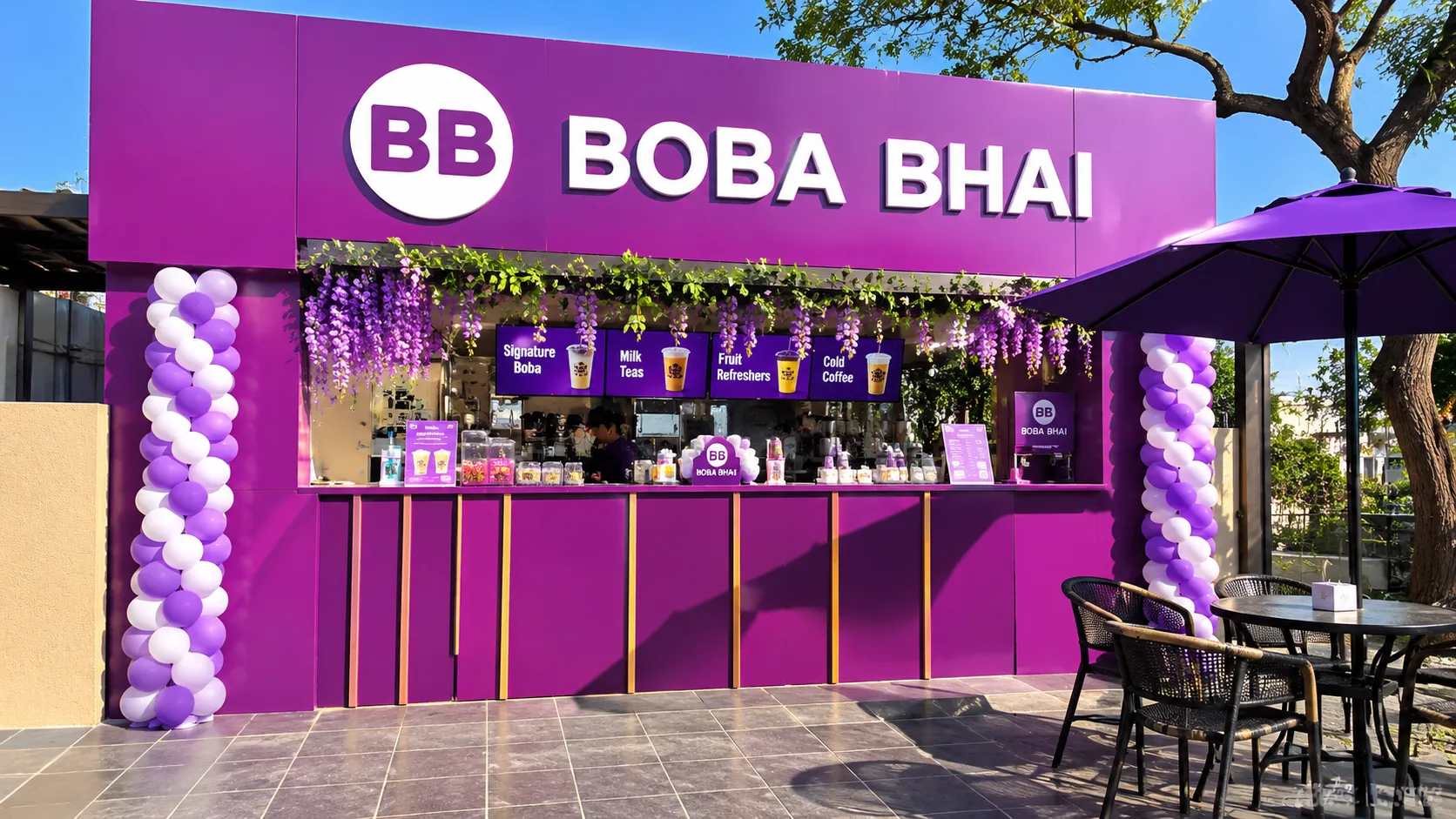
Bubble tea and burger chain Boba Bhai has raised $18 million, about ₹168 crore, in a Series B round led by New York-based Left Lane Capital, with participation from BIG Capital and Titan Capital, Inc42 reported on November 19. Founder Dhruv Kohli plans to grow from about 120 outlets to 250–300 in the next year, with a long-term goal of 1,000 stores.

By Nisha Omkumar · Author20 November 2026New
Boba Bhai Raises $18 Million Led by Left Lane Capital to Double Its Outlets and Chase a 1,000-Store Bubble Tea Empire

Bubble tea, once a niche drink found in a handful of Indian metros, is becoming a mass-market business, and one Indian startup wants to put it on every high street.

Boba Bhai, a quick-service restaurant chain selling bubble tea and burgers, has raised $18 million, or about ₹168 crore, in a Series B funding round led by New York-based Left Lane Capital, Inc42 reported on Thursday, November 19. BIG Capital and Titan Capital also participated.

Expansion is the priority

Founded in 2023 by Dhruv Kohli, Boba Bhai operates about 120 outlets and plans to expand to 250 to 300 in the next 12 months, according to Inc42. Its long-term goal is 1,000 stores.

"Expansion is the sole priority," Kohli said, according to Inc42.

The new funding comes just months after the company raised ₹40 crore in a Series A round in March 2026.

The numbers

Boba Bhai reported revenue of about ₹70 crore in the 2026 financial year, up about 145% from ₹28 crore the previous year, according to Inc42. It recorded a loss of ₹12.5 crore. The company processes about 3.5 lakh orders a month and has reached a monthly revenue run rate of about ₹12.5 crore.

The rapid growth reflects both the expansion of its store network and strong demand for its products, particularly among young consumers.

Simplicity as strategy

Kohli has emphasised building a business that can scale through simplicity and standardisation. "We want to build a QSR where a 15-year-old can come in and still make the food taste the same," he said, according to Inc42.

This philosophy is common among successful quick-service restaurant chains globally, such as McDonald's, which rely on standardised processes, limited menus and easy-to-train staff to maintain consistency across thousands of outlets. Simple operations reduce costs, speed up service and make it easier to open new stores quickly.

A second brand

Boba Bhai has also launched a second brand, Aureco Mexican Kitchen, according to Inc42. Multi-brand strategies allow restaurant companies to use the same kitchens, supply chains and delivery infrastructure to serve different cuisines, increasing revenue per location and broadening their appeal.

The bubble tea opportunity

Bubble tea, a Taiwanese drink made with tea, milk and chewy tapioca pearls, has become a global phenomenon, particularly popular among Gen Z consumers. In India, its popularity has been driven by social media, exposure to East Asian pop culture, including Korean dramas and music, and the growth of food delivery platforms.

Several Indian and international bubble tea brands have expanded in the country, but the market is still at an early stage, with significant room for growth in smaller cities.

Why investors are backing QSR brands

India's quick-service restaurant market has attracted strong investor interest, as rising incomes, urbanisation, a young population and the growth of food delivery platforms such as Swiggy and Zomato drive demand for eating out and ordering in.

Homegrown brands such as Wow! Momo, Biryani By Kilo, Chai Point and others have raised significant capital, while listed QSR companies such as Jubilant FoodWorks, Devyani International and Westlife Foodworld have shown the scale the sector can achieve.

Left Lane Capital, the round's lead investor, is a New York-based growth-stage firm that invests in consumer and technology companies globally.

The path to profitability

Boba Bhai's loss of ₹12.5 crore on ₹70 crore of revenue reflects the costs of rapid expansion, including opening new stores, marketing and building infrastructure. As stores mature and the network grows, the company will aim to improve margins through economies of scale in sourcing, logistics and marketing.

“We want to build a QSR where a 15-year-old can come in and still make the food taste the same.”
— Dhruv Kohli, Founder, Boba Bhai

Investors in consumer businesses have become more focused on unit economics, the profitability of individual stores, as a measure of a chain's long-term potential. Strong store-level economics allow companies to fund expansion from their own cash flows over time.

The challenges

Rapid expansion carries risks. Opening hundreds of stores quickly requires finding good locations, hiring and training staff, maintaining quality and managing supply chains. Many restaurant chains have struggled when they expanded too fast.

The bubble tea market could also become crowded as more brands enter, and consumer tastes can shift. Competition from established QSR brands and local cafés is intense.

Young founders, young consumers

Boba Bhai's growth reflects a broader trend of young Indian founders building consumer brands aimed at Gen Z and millennial consumers, who are digitally savvy, open to new experiences and willing to spend on food and lifestyle.

a7c38def-a7df-42af-958c-d86fac0ded30 (1).png

The founder's story

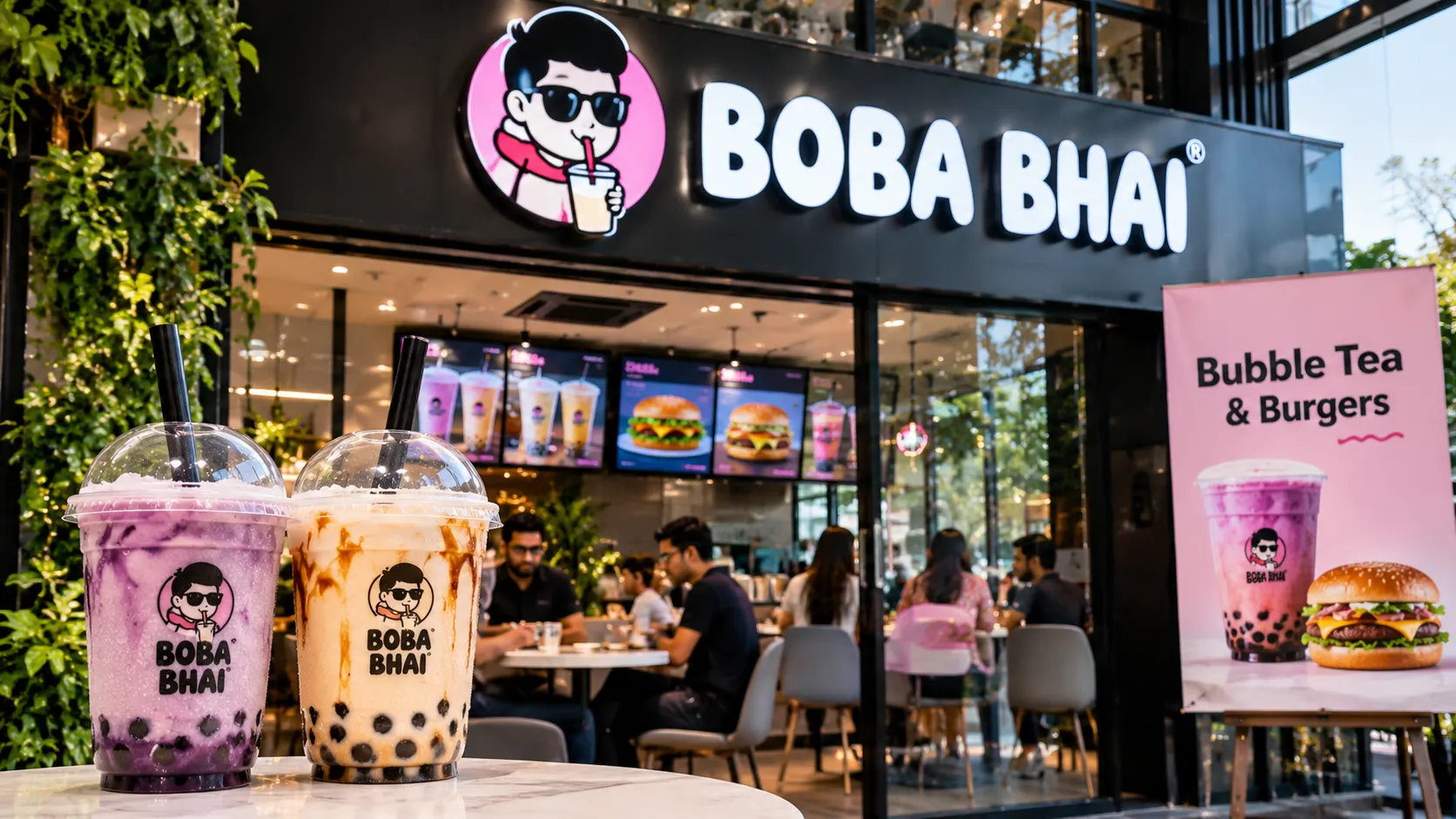
Dhruv Kohli launched Boba Bhai in 2023 with a focus on making bubble tea affordable and accessible to a wider audience, combining it with burgers to create a menu that appeals to young customers looking for quick, inexpensive meals. The brand's playful name and social media presence have helped it stand out among younger consumers.

The company's rapid progression from launch to a Series B in about three years reflects both strong demand and investors' willingness to back consumer brands that can demonstrate fast growth and a clear path to scale.

Delivery and dine-in

Like many new QSR brands, Boba Bhai benefits from India's food delivery platforms, which give it access to millions of customers without the need for large dining spaces. Smaller outlets designed mainly for takeaway and delivery have lower rents and setup costs, allowing faster expansion.

At the same time, physical outlets in malls, high streets and college areas help build brand visibility. Balancing delivery and dine-in is a key part of the economics for modern QSR chains, since delivery platforms charge significant commissions.

What makes a QSR scale

Industry experts say successful QSR chains share several characteristics: a focused menu, consistent taste, efficient kitchens, strong supply chains and sites chosen using data on footfall and demand. Brands also need to manage food costs carefully, as ingredient prices can fluctuate.

Boba Bhai's emphasis on simple operations that can be run by young, relatively inexperienced staff is designed to address many of these challenges as it multiplies its store count.

The competition

Boba Bhai operates in a crowded and fast-moving market. International chains, homegrown cafés, dessert brands and other bubble tea startups are all competing for the attention of young urban consumers. Large QSR operators have also experimented with beverages and snacks aimed at the same audience.

To stand out, Boba Bhai will need to keep innovating on its menu, maintain affordable prices and build a brand that young customers identify with. Its pairing of bubble tea with burgers gives it a broader offer than pure beverage chains, which could help it capture more meal occasions and increase average order values as it expands into new cities.

What comes next

Boba Bhai will use the funding to accelerate store openings across India. Its ability to maintain consistency and improve profitability as it doubles its footprint will determine whether it can achieve its ambition of 1,000 stores.

TagsBoba BhaiDhruv KohliLeft Lane CapitalBIG CapitalTitan CapitalSeries Bbubble teaquick service restaurantQSRAureco Mexican Kitchenfood startupsconsumer brandsBengalurucloud kitchensrestaurant expansionIndian startupsGen Zfundinginvestorsfood and beverage

Reader reviews

Sign in to rate and review this article.
Loading reviews…

