BrainChild Bio, a Seattle Children's Hospital spinout, has raised $116 million in Series A funding to advance a CAR-T cell therapy for children with aggressive brain tumours, the company confirmed on September 8, 2026. The financing was backed by Seattle Children's and WRF Capital, giving the company substantial capital to pursue a pivotal clinical programme for diffuse intrinsic pontine glioma, or DIPG — a rare, extremely aggressive brainstem cancer that remains one of the most difficult targets in paediatric oncology.
The company's lead therapy, BCB-276, applies CAR-T technology — a form of cell therapy that genetically modifies a patient's own immune cells so they can recognise and attack cancer cells — to a disease category where treatment options remain severely limited. CAR-T therapies have transformed outcomes for certain blood cancers over the past decade, but have proven considerably more difficult to apply successfully to solid tumours, and particularly to tumours located within the brain, where the blood-brain barrier and the tumour's immunosuppressive microenvironment present additional biological obstacles that blood cancer treatments do not encounter.
DIPG in particular has long been regarded as one of the most devastating diagnoses in paediatric medicine, with historically poor survival outcomes and few effective treatment options beyond palliative radiation therapy. The rarity of the condition, combined with the technical difficulty of developing effective solid-tumour and brain-penetrant cell therapies, has meant that DIPG has historically attracted less commercial pharmaceutical investment than cancers affecting larger patient populations — a pattern common across much of paediatric oncology, where smaller patient numbers can make the economics of drug development more challenging to justify for larger pharmaceutical companies.
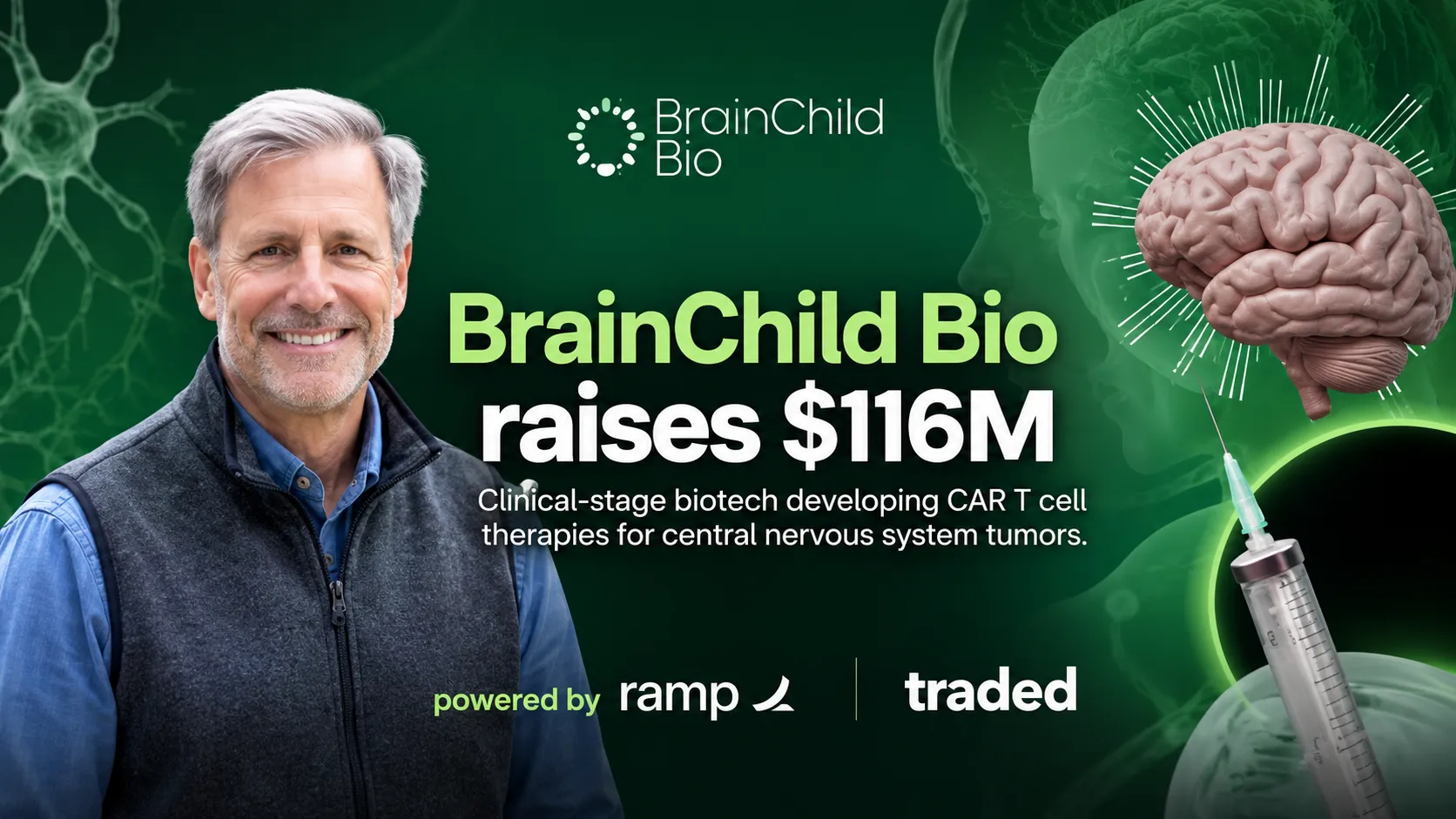
BrainChild Bio's ability to raise a nine-figure Series A round for a therapy targeting a rare paediatric brain cancer is therefore notable in itself, reflecting both the scientific credibility the company has built through its Seattle Children's Hospital origins and a broader, if still limited, uptick in specialised investor interest in paediatric oncology as CAR-T and related cell-therapy platforms mature technically. The involvement of Seattle Children's as both an originating institution and an investor provides the company with deep clinical and research infrastructure that many earlier-stage biotech spinouts lack.
Successful clinical development of BCB-276 would represent an important scientific milestone beyond its direct impact on DIPG patients, potentially helping establish whether engineered immune-cell therapies can be adapted to overcome the biological barriers that have limited CAR-T's application outside blood cancers more broadly. Positive clinical signals in a disease as biologically challenging as DIPG could inform cell-therapy development strategies for other hard-to-treat solid tumours, both paediatric and adult, where similar barriers around tumour penetration and immunosuppression have limited treatment efficacy.
For the broader biotech investment landscape, BrainChild Bio's raise adds to a body of evidence that specialised, science-driven Series A rounds continue to attract substantial capital even in a broader venture environment that has grown more selective, provided the underlying clinical and scientific case is sufficiently compelling. The company's progress through clinical trials over the coming years will be closely watched by both the paediatric oncology community and cell-therapy investors more broadly, given the disease's severity and the technical ambition of applying CAR-T therapy to one of oncology's most difficult remaining targets.