StartupsLatest5 MIN READ

Brava Security Emerges From Stealth With $15 Million to Prove Security Tools Can Actually Catch Attacks

Tel Aviv-based Brava Security has raised a $15 million seed round led by F2 Venture Capital and Pitango. Its multi-agent AI tests whether security detection systems would actually catch real attacks.

By Prathista Lazar · Author5 November 2026New
Brava Security Emerges From Stealth With $15 Million to Prove Security Tools Can Actually Catch Attacks

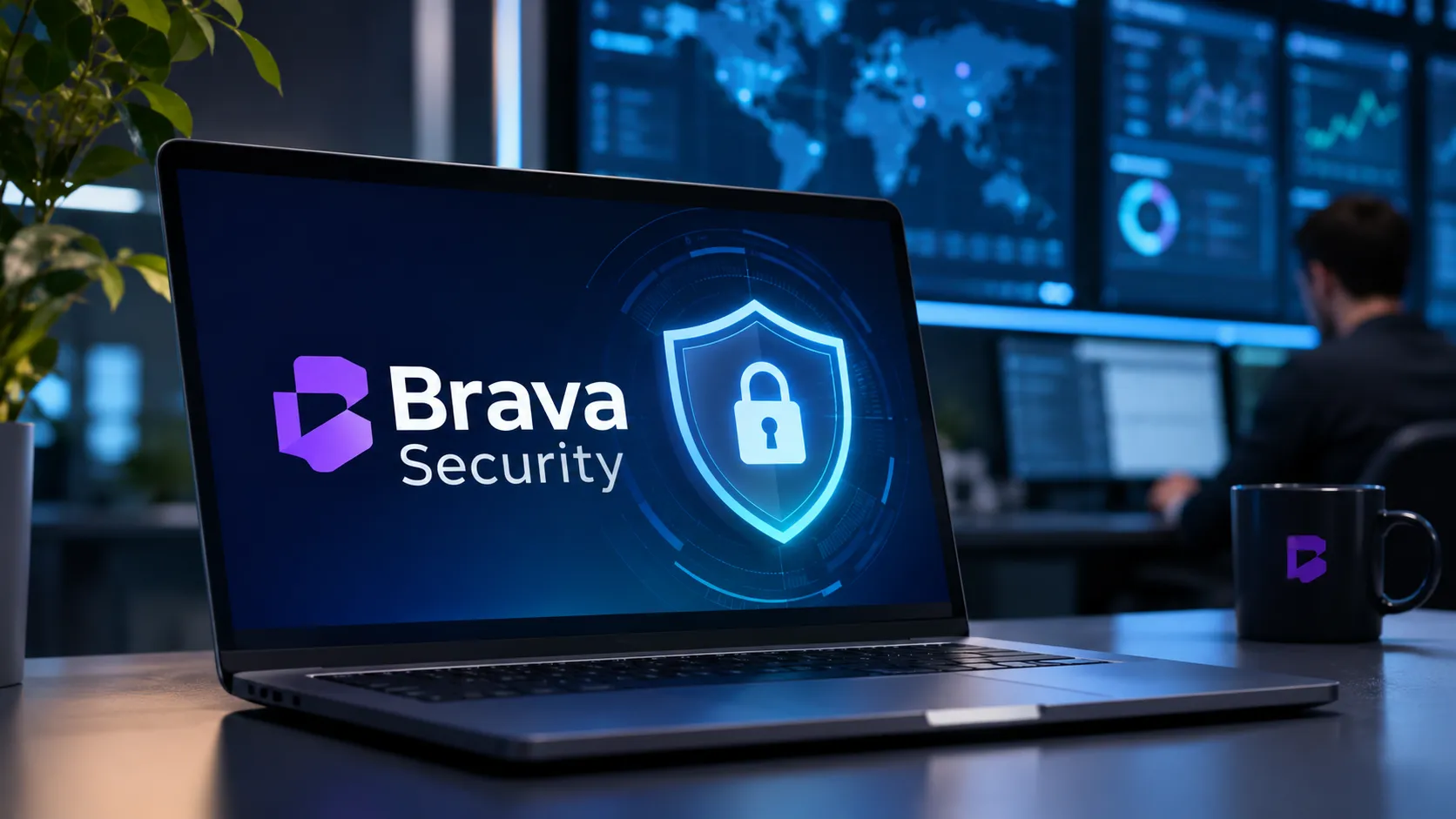
Brava Security, a Tel Aviv-based cybersecurity startup, has emerged from stealth with $15 million in seed funding. The company is developing AI technology that tests whether an organisation's security systems would actually detect real attacks.

The round, announced on Wednesday, November 4, was led by F2 Venture Capital and Pitango. Angel investors from Anthropic, Microsoft and Check Point also took part.

Brava was founded in 2024 and has about 20 employees. Despite its early stage, the company says it already counts Fortune 100 companies among its customers.

The problem: untested detections

Large organisations rely on security information and event management (SIEM) systems and other tools to detect cyberattacks. These systems collect data, known as telemetry, from across an organisation's networks, devices and applications, and apply detection rules to identify suspicious activity.

The challenge is that many of these detection rules are never fully tested. Security teams write rules designed to catch specific types of attack, but they often cannot confirm whether those rules will trigger when a real attack occurs. Changes to systems, data sources or configurations can also break detections without anyone noticing.

As a result, organisations may believe they are protected against certain threats when in fact their systems would miss them. That gap can leave attackers free to operate undetected.

How Brava works

Brava's platform uses multiple AI agents to address this problem. Instead of running an actual attack, which could be risky and disruptive, the system generates the telemetry that a real attack would produce. That simulated data is then fed into the organisation's security tools to check whether their detections fire as expected.

This approach allows organisations to validate their detections safely and continuously, without exposing their systems to real attacks. The company says its platform can produce insights within 10 to 15 minutes.

Brava integrates with more than 70 security tools, including widely used platforms such as Splunk, Microsoft Sentinel, Google Security Operations and CrowdStrike. That breadth of integration allows it to work with the security tools that large enterprises already use.
8e84e564-14fb-4792-a213-0141d86faeaf.png

Proving evidence before automation

Co-founder and chief executive Idan Basre has framed Brava's mission around the need for proven evidence in security. "You can't automate a decision based on evidence no one ever proved," he said.

The point is particularly relevant as security teams adopt AI to automate more of their work. AI systems are increasingly used to triage alerts, investigate incidents and even respond to threats automatically. But those automated decisions depend on the quality of the underlying detections. If the detections are flawed, automation can amplify the problem.

Brava's approach aims to give organisations confidence that their detections work before they rely on them for automated responses.

The founders

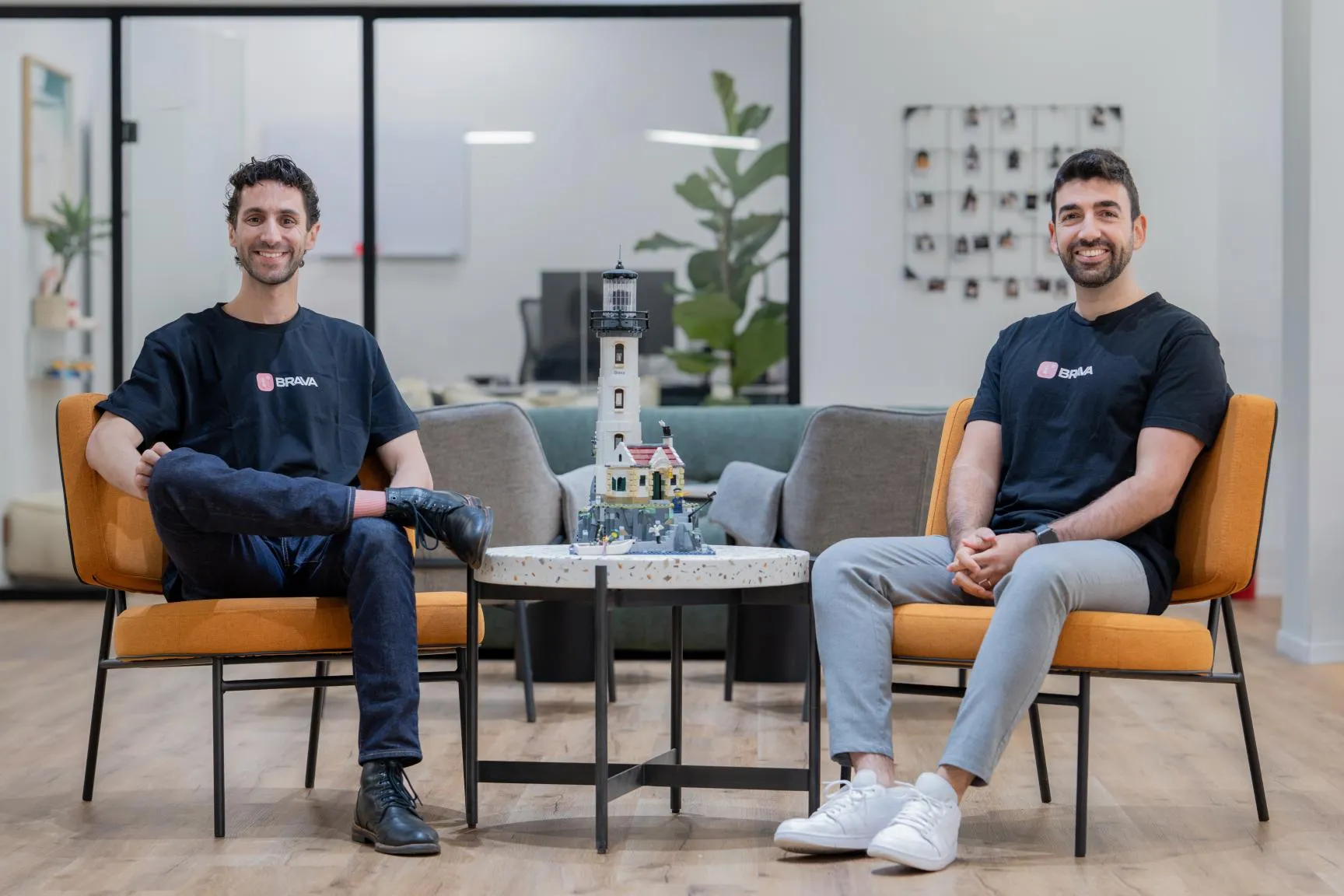
Brava's founders bring deep experience in cybersecurity and AI. Basre previously served as a product lead for Microsoft Defender, one of the world's most widely used security products. He also spent 10 years in Unit 8200, the Israeli military's intelligence unit, and is a graduate of Talpiot, an elite Israeli military programme that trains technology leaders.

Co-founder Itay Gabbay previously led joint AI research with DARPA, the US Defense Advanced Research Projects Agency. His experience in advanced AI research underpins the company's multi-agent approach.
“You can't automate a decision based on evidence no one ever proved.”
— Idan Basre, Co-founder and CEO, Brava Security

The combination of practical security product experience and advanced AI research is typical of the founding teams that have made Israel a leading centre for cybersecurity innovation.

Investor backing

F2 Venture Capital is an early-stage investor focused on Israeli startups. Pitango is one of Israel's largest and longest-established venture capital firms. Their joint leadership of the round reflects confidence in Brava's team and technology.

The participation of angel investors from Anthropic, Microsoft and Check Point is also notable. Anthropic is a leading AI company, Microsoft is one of the largest providers of security products, and Check Point is one of Israel's most established cybersecurity companies. Their involvement suggests that experienced figures in both AI and security see value in Brava's approach.

A growing market

Detection engineering, the practice of building and maintaining the rules and logic that security systems use to identify threats, has become an increasingly important discipline. As attacks become more sophisticated and organisations' IT environments more complex, security teams face growing pressure to ensure their detections are effective.

AI is changing the market in two ways. Attackers are using AI to develop more sophisticated and adaptive attacks, which makes effective detection harder. At the same time, AI tools are giving defenders new ways to test and improve their defences, as Brava's platform does.

Investors have been backing a range of startups in this space, reflecting a broader recognition that security tools must be continuously validated rather than set up once and assumed to work.

Relevance for India

India's large IT services and technology sector manages security operations for many global organisations. Indian security operations centres monitor and respond to threats for clients around the world, using many of the tools Brava integrates with.

Tools that validate detections could help Indian security teams improve the effectiveness of the services they provide. India's own enterprises, including banks, telecom companies and government agencies, also face growing cyber threats, and regulators have been tightening cybersecurity requirements.

The Indian diaspora is strongly represented in global cybersecurity, including at major security vendors and in security operations roles at large enterprises. Developments in AI-driven security validation are relevant to many of these professionals.

Plans for growth

Brava plans to use the seed funding to expand its team and grow its presence in North America, where many of its target customers are based. Large enterprises in the US have some of the most complex security environments and the largest security budgets.

The company will also continue to develop its platform, expanding its coverage of attack techniques and its integrations with security tools.

Outlook

Brava enters a market where demand for proof that security tools work is growing. With experienced founders, strong investor backing and early enterprise customers, the company is well positioned to grow.

The key challenges will be scaling its technology to cover the wide range of attacks and security environments that large organisations face, and competing with other companies in the detection validation and security testing market. If it succeeds, Brava could help organisations close one of the most persistent gaps in cybersecurity: the difference between the protection they believe they have and the protection they actually have.

TagsBrava SecuritySeed FundingF2 Venture CapitalPitangoCybersecuritySIEMDetection EngineeringAI AgentsIdan BasreItay GabbayIsraeli StartupsUnit 8200Security OperationsSplunkMicrosoft Sentinel

Reader reviews

Sign in to rate and review this article.
Loading reviews…