FundingAnalysis6 MIN READ

Brazil Heads to a Knife-Edge Runoff as Flávio Bolsonaro Edges Lula in the First Round

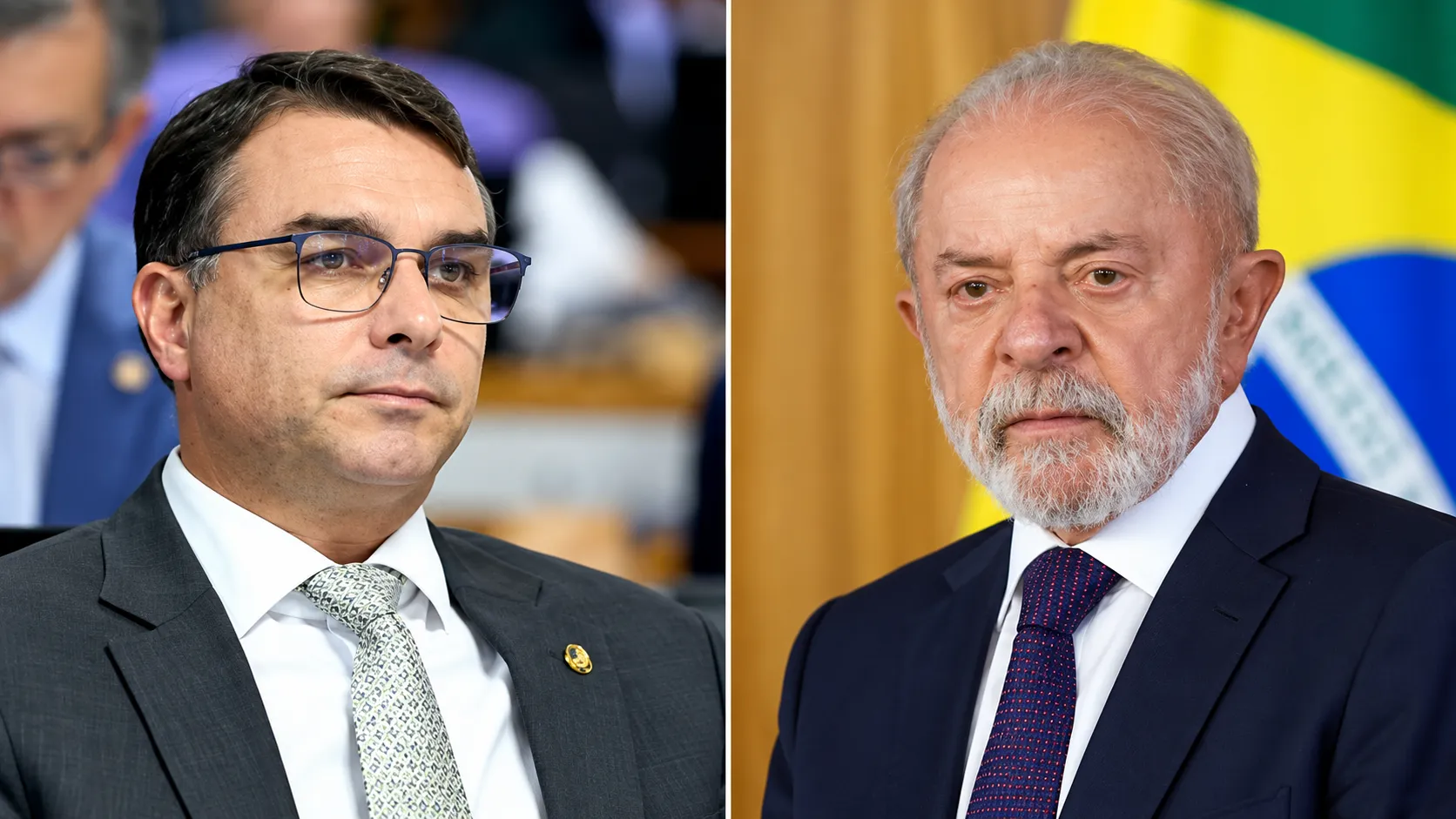
Flávio Bolsonaro took 47.04% to Lula's 45.15% with nearly all votes counted, setting up a 25 October runoff that investors expect to dominate Brazilian markets for three weeks.

By Nisha Omkumar · Author5 October 2026Breaking
Brazil Heads to a Knife-Edge Runoff as Flávio Bolsonaro Edges Lula in the First Round

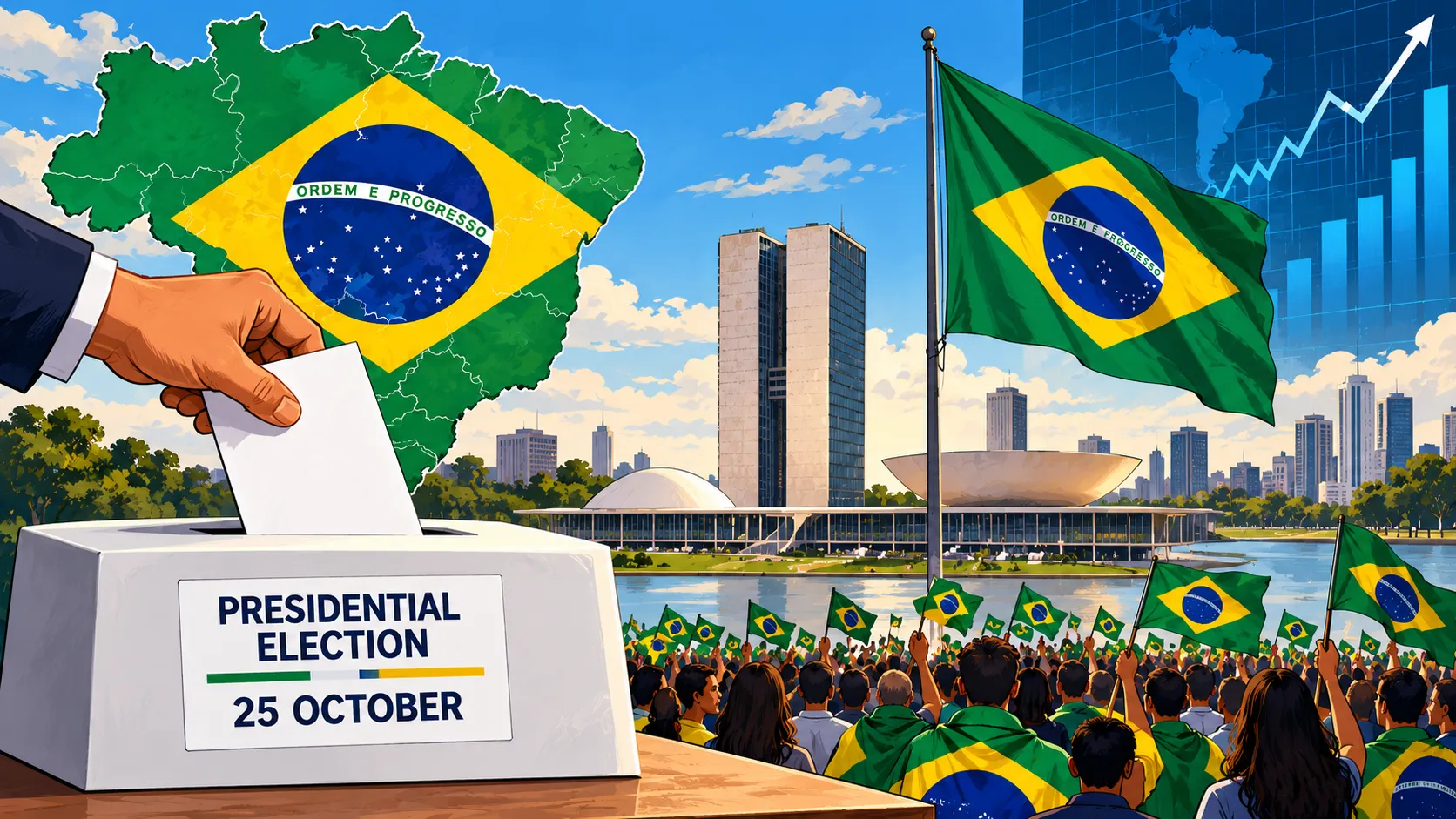
Brazil will choose its next president in a runoff on 25 October after conservative senator Flávio Bolsonaro narrowly outpolled President Luiz Inácio Lula da Silva in Sunday's first round, setting up a three-week contest that investors expect to dominate the country's markets.

With 99.96% of polling stations counted late on 4 October, Flávio Bolsonaro of the Liberal Party had 47.04% of valid votes, or about 56.1 million, according to Brazil's electoral court, the TSE. Lula, of the Workers' Party, had 45.15%, or about 53.8 million. The gap of roughly 2.25 million votes, or 1.89 percentage points, was too small for either candidate to clear the 50% threshold needed to win outright.

The remaining candidates trailed far behind. Augusto Cury of Avante took 2.89%, Renan Santos of Missão 2.24%, Ronaldo Caiado of the PSD 2.18% and Romeu Zema of Novo 0.27%.

A lead that narrowed through the night

The count followed a familiar pattern in Brazilian elections. Early results from the south and southeast favoured Flávio Bolsonaro, who at one point led by more than seven percentage points. As votes from the northeast, Lula's political heartland, came in later in the evening, the margin narrowed steadily.

Flávio Bolsonaro led in 15 states and Lula in 12. The son of former president Jair Bolsonaro won 51.9% in São Paulo, the country's most populous state and economic centre, and 53.0% in Rio de Janeiro. Lula took 66.1% in Bahia.

In São Paulo's governor's race, Tarcísio de Freitas, a close ally of the Bolsonaro family, was re-elected in the first round with about 62.7% of the vote, consolidating the right's position in the state.

Markets had positioned for a Bolsonaro showing

Financial markets had moved ahead of the vote. On Friday, 2 October, the Ibovespa stock index rose 2.6% to 192,114.55 points, and the iShares MSCI Brazil ETF gained 2.8% in New York. The real ended the week at about R$5.22 per US dollar. Some market reports attributed the rally to positioning for a stronger-than-expected showing by Flávio Bolsonaro, whom many investors regard as more likely to pursue fiscal restraint and market-friendly policies.

Bloomberg reported on Monday that Brazilian assets were poised to rally further after his first-round lead. Investors will now watch whether that momentum holds during the runoff campaign.

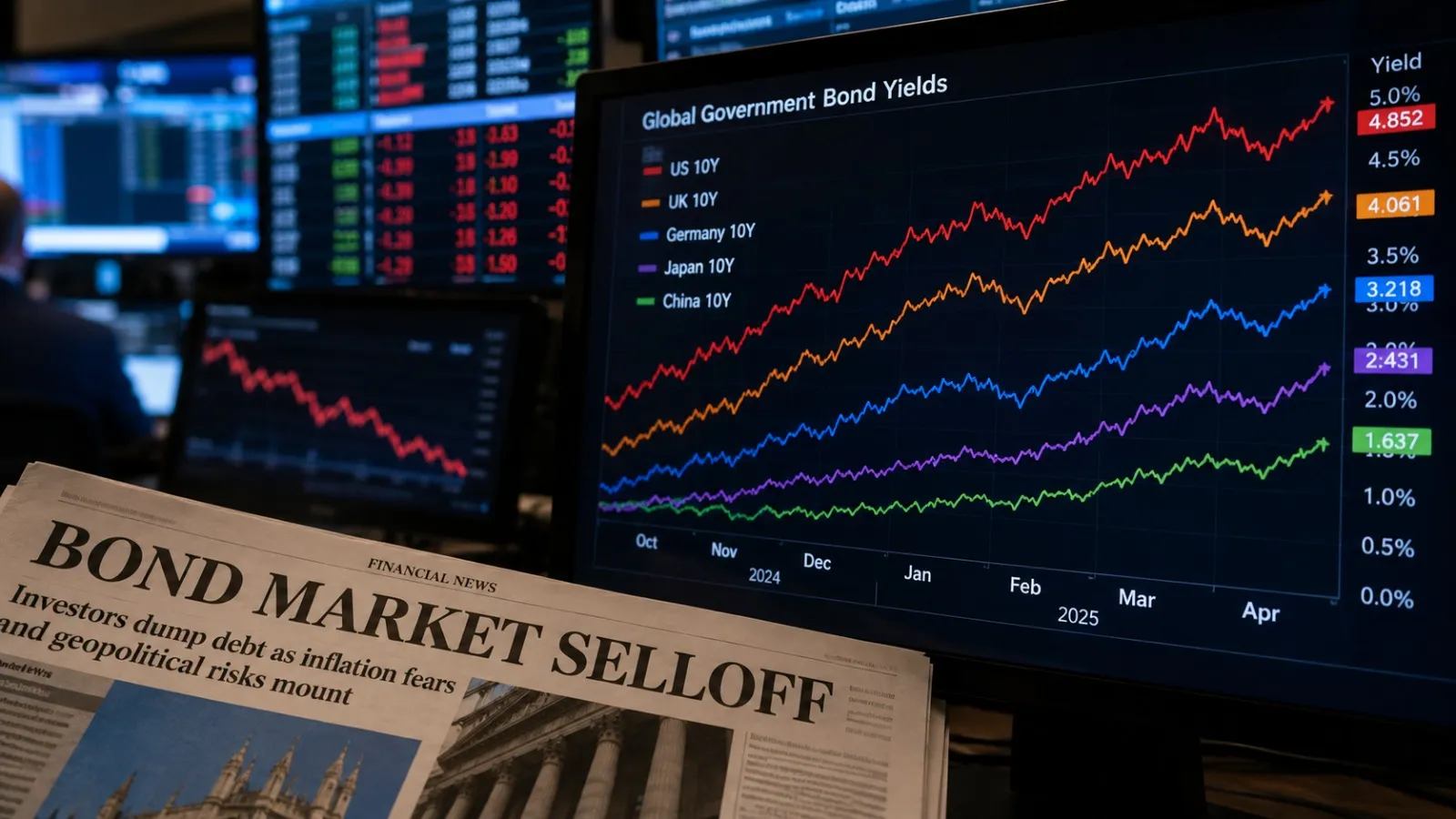
The main economic concern for investors is fiscal. Brazil's benchmark Selic interest rate stands at 14.00%, among the highest real interest rates in the world, as the central bank seeks to contain inflation in the face of persistent government spending. Markets tend to reward any signal of stronger fiscal discipline with a firmer currency and lower long-term bond yields.

What a runoff changes

A runoff extends uncertainty for three more weeks. Final polls published on 3 October showed an extremely close second-round contest. Datafolha had Lula at 47% and Flávio Bolsonaro at 46%; AtlasIntel showed an effective tie of 50.1% to 49.9%; and Quaest had Flávio Bolsonaro ahead by 44% to 42%. "Every runoff figure is inside the margin of error, so none of them settles who would win," The Rio Times noted.

The first-round result has already defied some of those polls, which had suggested Lula would finish ahead. Both campaigns will now compete for the roughly 8% of voters who backed other candidates, as well as for voters who abstained.

What is at stake for business
“Every runoff figure is inside the margin of error, so none of them settles who would win.”
— The Rio Times, on final runoff polls

For companies and investors, the election is a choice between two different economic approaches.

Lula's government has emphasised social spending, a larger role for state-owned enterprises and an active industrial policy. A Flávio Bolsonaro administration would be expected to favour lower spending, privatisation and deregulation, although the details of his economic programme remain less defined than his father's was in 2018.

The outcome also matters for major listed companies. Petrobras, the state-controlled oil company, faces different policy paths on fuel pricing and dividends depending on who wins. Mining group Vale and Brazil's large banks are sensitive to the fiscal outlook and the direction of interest rates.

Trade relations with Washington are another factor. A 25% US tariff on many Brazilian goods under Section 301 has applied since July, with some combined duties reaching 37.5%. The next administration will shape negotiations with the Trump administration, and markets will assess which candidate is better placed to secure relief.

af8d55fd-d30e-407d-9905-61889e9e0cd2.png

The Amazon and climate

The election is being closely watched by environmental groups and climate investors. Brazil is on track to record its lowest-ever rate of Amazon deforestation, following enforcement efforts and moves to restore Indigenous land rights under Lula. ## Two very different candidates

Lula, 80, is seeking a fourth term after returning to the presidency in January 2023. Flávio Bolsonaro, a senator for Rio de Janeiro, is carrying the political movement built by his father, former president Jair Bolsonaro, who is barred from running. The contest is therefore as much a referendum on the Bolsonaro movement's return as on Lula's record in office.

For investors, the personalities matter less than the policy signals each campaign sends over the next three weeks, particularly on spending, taxes and the independence of the central bank.

Environmental experts have warned that Brazil's powerful agribusiness lobby in Congress could be emboldened under a Bolsonaro presidency, with potential consequences for forest protection, carbon markets and Brazil's role in international climate negotiations. For global investors with sustainability mandates, that could affect assessments of Brazilian agricultural, energy and financial assets.

Why it matters for India

Brazil and India are partners in BRICS and have growing ties in agriculture, energy and pharmaceuticals. Cooperation on biofuels, where Brazil's long experience with sugarcane ethanol has informed India's own blending programme, is one area that could be affected by a change in Brazil's policy direction. Indian companies with operations in Brazil, including in information technology, pharmaceuticals and automobiles, will also be watching for any shift in Brazil's approach to trade and foreign investment.

Three weeks of volatility

Brazilian markets reopen on Monday with the first round settled but the overall result open. Investors will track new runoff polls, any endorsements from eliminated candidates, the central bank's weekly Focus survey of economists and September inflation data.

Until 25 October, the real, the Ibovespa and Brazilian bond yields are likely to move with every shift in the polls. For a country where the political cycle so often drives the investment cycle, the next three weeks will set the tone for the years that follow.

TagsBrazil ElectionLulaFlávio BolsonaroIbovespaBrazilian RealEmerging MarketsRunoffSelic RatePetrobrasValeBRICSAmazonLatin AmericaGlobal Markets

Reader reviews

Sign in to rate and review this article.
Loading reviews…