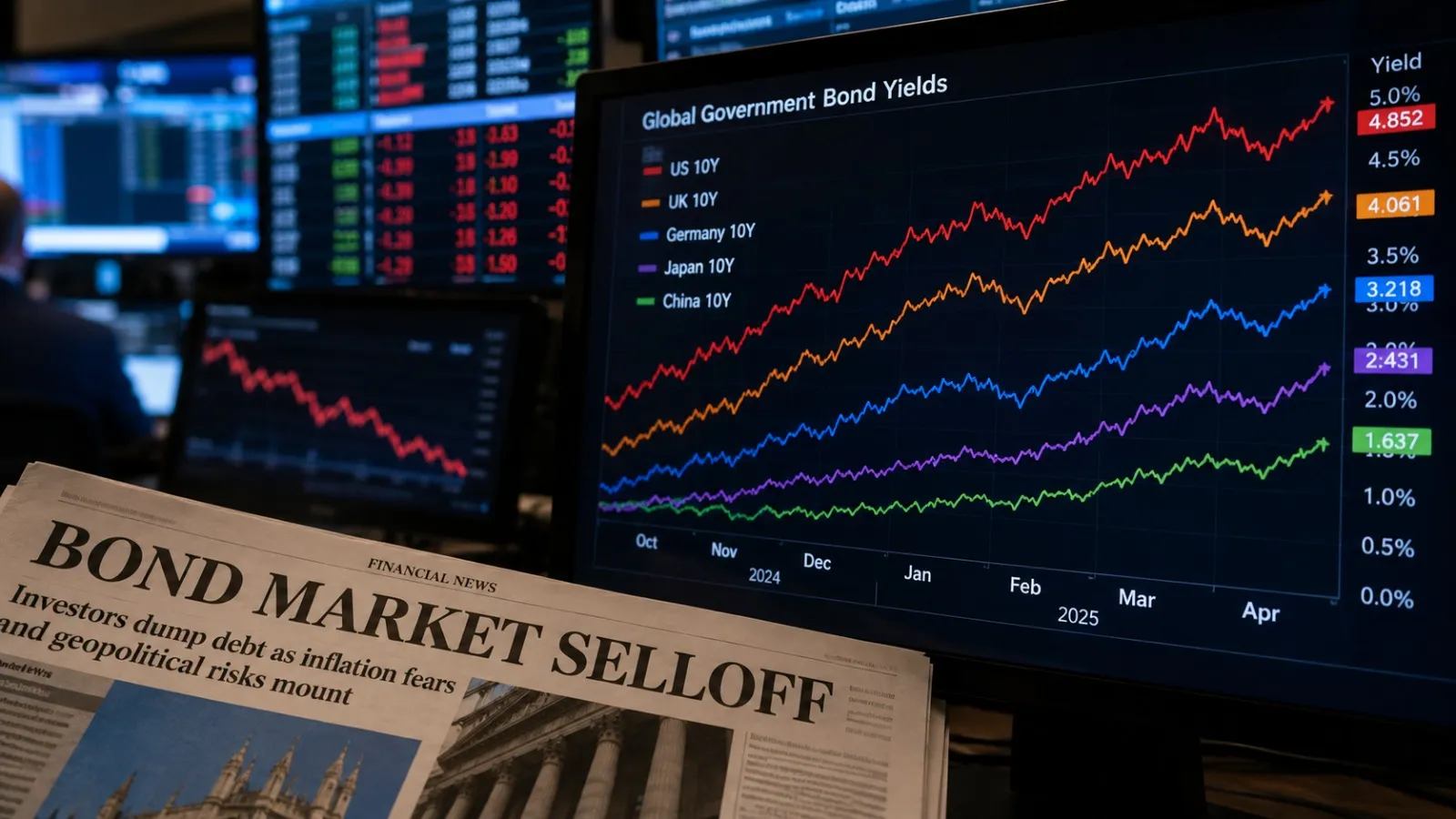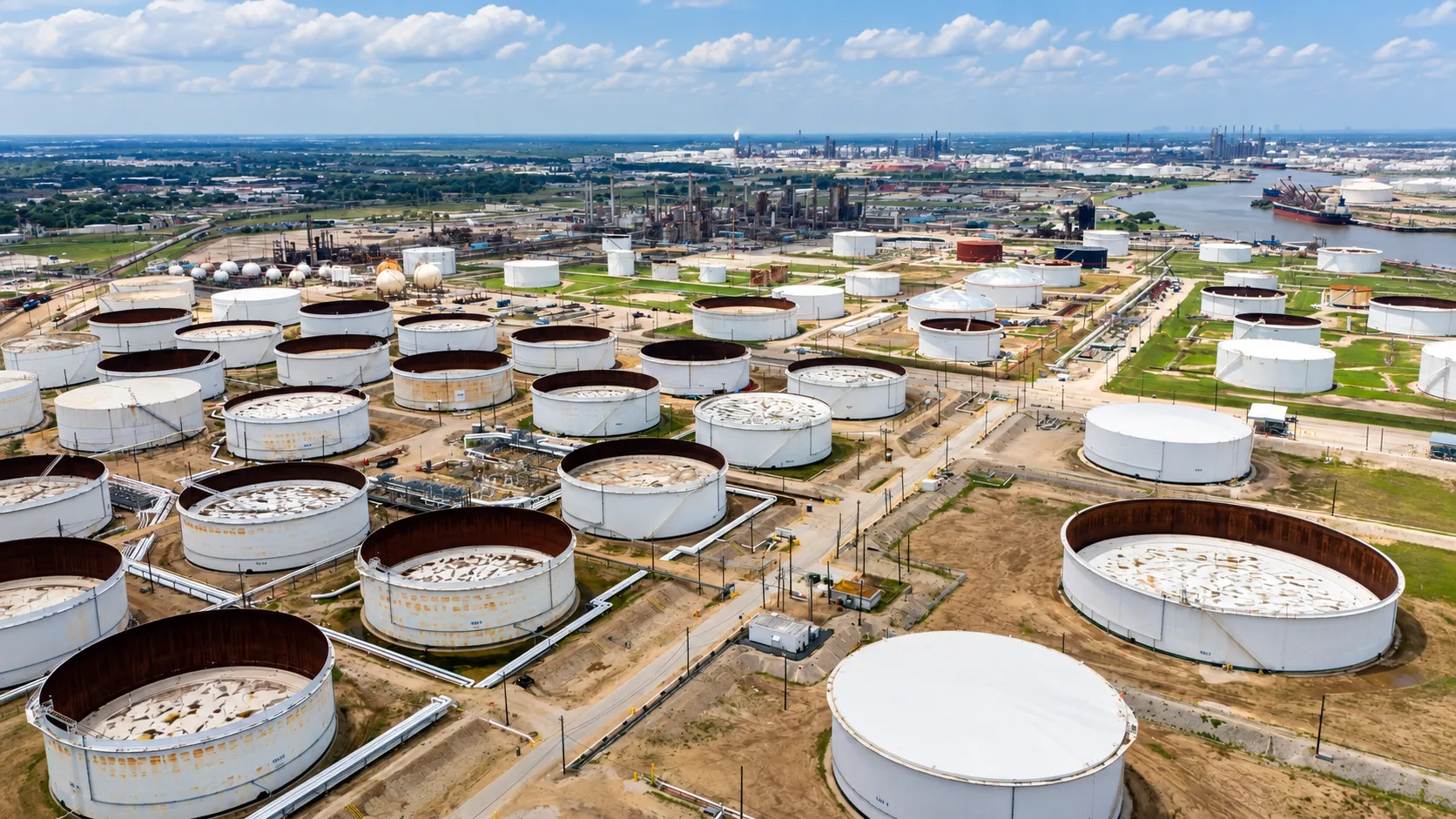
Brent crude climbed toward the $100-a-barrel threshold on September 9, as the conflict between the United States and Iran continued to widen and Iran-backed Houthi forces struck Saudi Arabian energy infrastructure, sending fresh shockwaves through global commodity and financial markets. The escalation marks one of the most significant energy-market disruptions of the year, with ripple effects visible across equity markets, currency trading and precious metals pricing worldwide.
The proximate trigger for the latest price surge centres on reported Houthi attacks disrupting operations at Saudi Aramco energy infrastructure, compounding an already fragile security environment across the broader Middle East following the widening of direct hostilities between US and Iranian forces. Energy markets have historically proven acutely sensitive to any disruption affecting Saudi Arabia's production or export infrastructure, given the kingdom's position as the world's largest oil exporter and its outsized influence on global spare production capacity.
Global equity markets responded swiftly to the developments, with Asian markets showing a mixed picture and Indian benchmark indices, the Sensex and Nifty, both opening lower as investors weighed the inflationary and growth implications of sustained higher energy costs for import-dependent economies. Money markets have simultaneously moved to price in an increased probability of a US Federal Reserve interest rate move this month, a dynamic that could keep the dollar firm and add further pressure on emerging-market currencies already grappling with the direct cost impact of higher oil import bills.
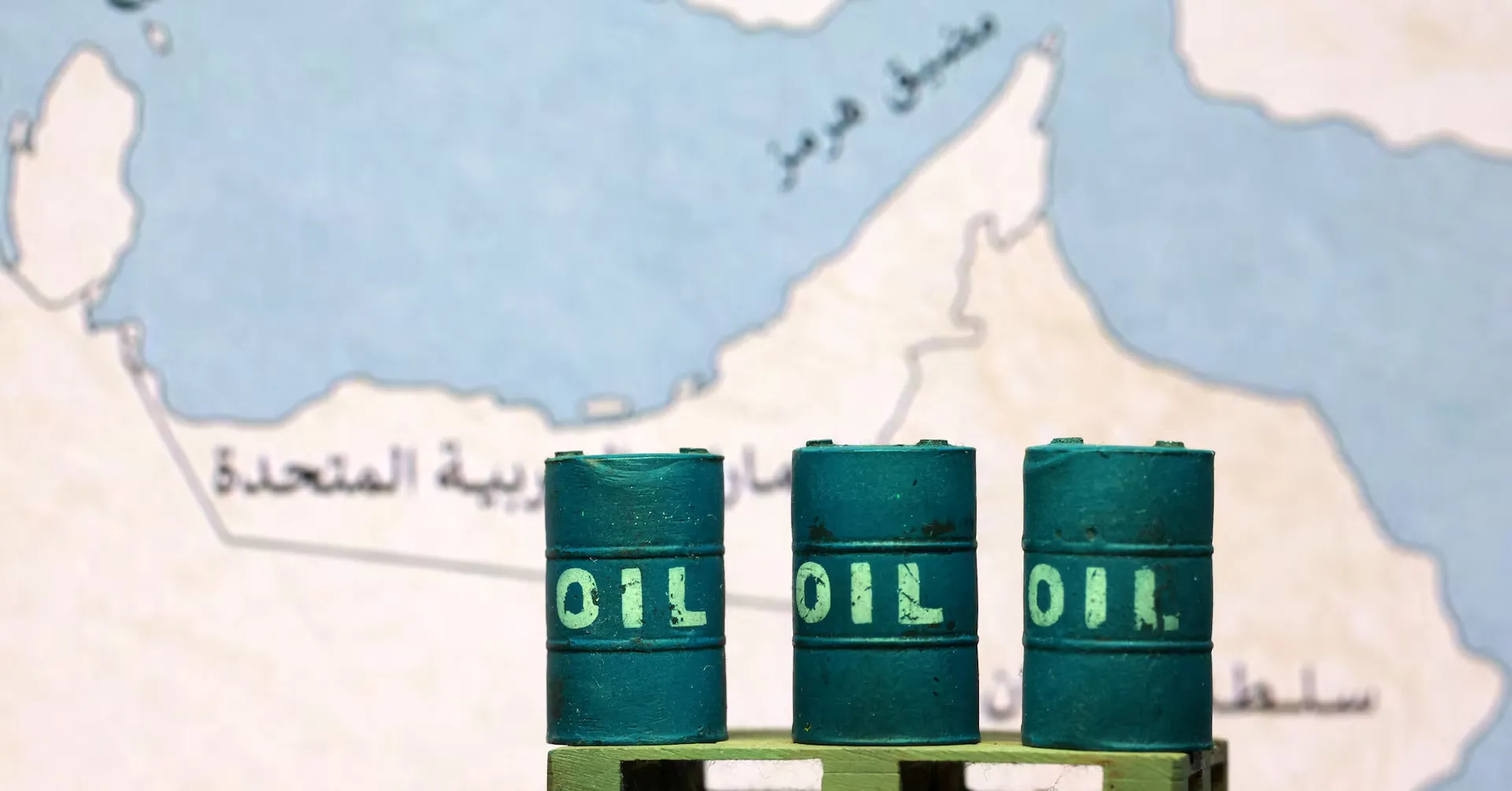
For oil-importing emerging economies, including India, the confluence of rising crude prices and currency pressure creates a particularly challenging macroeconomic environment, as higher energy import costs simultaneously widen trade deficits, add to inflationary pressure and weigh on currency stability — a combination that policymakers across affected economies will need to navigate carefully in the weeks ahead should the conflict continue to escalate.
Beyond the immediate market reaction, sustained hostilities affecting Middle East energy infrastructure carry broader implications for global energy security planning, potentially accelerating strategic reserve releases from major consuming nations and renewing policy attention on energy diversification and supply-chain resilience among countries heavily dependent on Gulf oil exports. Diplomatic efforts aimed at de-escalation are likely to intensify given the scale of economic disruption a sustained conflict could impose on the global economy.
With the situation remaining fluid and the trajectory of the conflict uncertain, market participants across equities, currencies, precious metals and commodities are likely to remain highly sensitive to incremental developments in the coming days, as the world watches to see whether diplomatic intervention can de-escalate tensions before further energy infrastructure disruption pushes prices meaningfully past the $100-a-barrel mark on a sustained basis.
For India specifically, elevated global crude prices carry particular significance given the country imports the vast majority of its crude oil requirements, meaning sustained price increases translate relatively directly into higher domestic fuel costs, elevated input costs across transportation and manufacturing, and additional pressure on the current account deficit that Indian policymakers monitor closely as a key macroeconomic stability indicator.
Diaspora investors and NRI market participants with exposure to both Indian and global energy-linked assets will likely be watching closely for any signs of coordinated diplomatic intervention or strategic petroleum reserve releases from major consuming nations, moves that have historically provided at least temporary relief during comparable periods of Middle East-driven price volatility over the past several decades.
Global oil futures markets will remain a key indicator to watch in the sessions ahead, with the shape of the futures curve offering insight into whether traders view the current price spike as a temporary geopolitical risk premium or the beginning of a more sustained structural repricing of global crude markets.