StartupsLatest5 MIN READ

Hong Kong's Buy&Ship Becomes First City Start-up Picked for Tokyo Stock Exchange's Asia IPO Incubator, Eyes Japan Listing

Buy&Ship, a Hong Kong cross-border e-commerce logistics company, is the first Hong Kong start-up admitted to the Tokyo Stock Exchange's Asia Startup Hub. The move puts a Tokyo listing on the table as Japan becomes central to its business.

By Aravind Kumar · Author26 September 2026New
Hong Kong's Buy&Ship Becomes First City Start-up Picked for Tokyo Stock Exchange's Asia IPO Incubator, Eyes Japan Listing

When Asian start-ups think about going public, the usual destinations are Hong Kong, Singapore or New York. Tokyo is working hard to join that list, and it has just added a notable name to its pipeline.

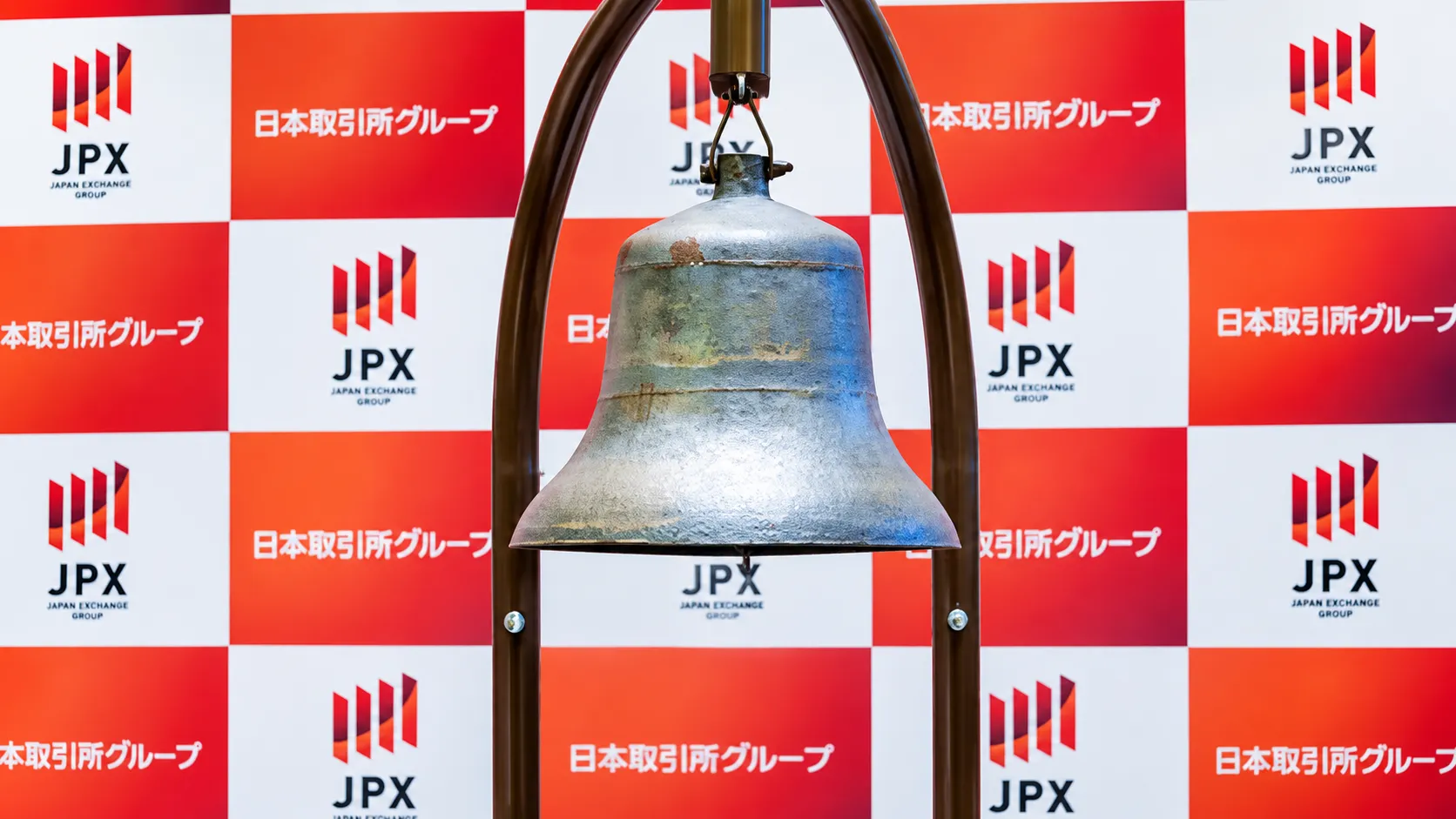
Buy&Ship, a Hong Kong-based cross-border e-commerce logistics company, has become the first Hong Kong start-up selected for the Tokyo Stock Exchange's Asia Startup Hub, an incubation programme designed to help overseas companies expand in Japan and eventually consider listing in Tokyo. Bloomberg reported on September 25 that the company is eyeing a Tokyo listing as part of a push to expand in Japan.

What Buy&Ship does

Buy&Ship helps consumers shop from overseas online stores that do not ship directly to their country. Customers use a local address provided by the company in the country where they are shopping, and Buy&Ship consolidates parcels and ships them onward. By combining multiple orders into one shipment, it can reduce international shipping costs for consumers.

The model has proved popular in Asia, where shoppers often seek products, from fashion and cosmetics to electronics and collectibles, that are sold primarily in Japan, the United States or other markets.

Japan has become especially important to the company. Chief executive Sheldon Li has said that Japan will eventually account for about 45 per cent of the company's transactions. Japanese products, particularly in fashion, beauty, anime-related goods and consumer electronics, are in strong demand among overseas shoppers, and a weak yen in recent years has made them even more attractive.

Why Tokyo

Li has been careful not to commit to a Tokyo initial public offering. He described a Tokyo listing as "one option under consideration" and stressed that it remains "only one of several paths on the table". But he said participation in the hub "should help the firm move faster" in Japan.

For a company whose business is increasingly tied to Japanese goods, Japanese logistics partners and Japanese investors, a Tokyo listing has a clear strategic logic. Listing where a company's brand is known and its business is growing can support valuation and strengthen relationships with local partners.

Buy&Ship's shareholder base already has strong Japanese links. The company closed the first tranche of a $12 million Series C round in January 2026. Its investors include Mitsubishi Logistics Corp. Ventures, Kam Tong Strategy and MemeStrategy, alongside existing shareholders the Cool Japan Fund, a Japanese government-backed investment fund, and Altara Ventures.

Inside the TSE Asia Startup Hub

The Tokyo Stock Exchange launched the Asia Startup Hub in 2024 as part of efforts to position Tokyo as a listing venue for growth companies across the region. The programme pairs promising overseas start-ups with Japanese securities firms, venture capital funds, banks and government bodies, helping them expand into Japan and prepare for a possible Tokyo listing.

It has grown quickly. The first cohort in 2024 included 14 companies from six regions. That rose to 20 companies from seven regions in 2025. The 2026 cohort includes 23 companies from 10 countries and regions, with seven new entrants and 16 returning from previous years, according to Entrepreneur Loop.

This year's cohort also marks the programme's first entrants from Hong Kong and Mongolia, broadening its geographic reach.

Japan's push for foreign listings

The initiative is part of a broader effort by Japan to revitalise its capital markets. The Tokyo Stock Exchange has pushed listed companies to improve capital efficiency and shareholder returns, and Japanese equities have attracted renewed international interest.


“For Asian founders, the listing map is being redrawn. Tokyo is no longer just Japan's market; it wants to be the region's.”
— TIGI Startups Desk

Attracting foreign growth companies is the next step. Tokyo's Growth Market offers a venue for younger companies, and Japanese investors, both institutional and retail, provide a deep pool of capital. Government reforms to encourage household investment have also expanded the base of retail investors.

For Asian start-ups, a Tokyo listing can offer advantages: access to a large, liquid market, association with one of the world's most developed economies and, for companies with Japanese operations, closer ties to customers and partners.

There are also challenges. Listing requirements, disclosure standards and corporate governance expectations in Japan can be demanding for foreign companies. Language and cultural differences add complexity. Programmes such as the Asia Startup Hub are designed to reduce those barriers by connecting companies with advisers and intermediaries who can guide them through the process.

ChatGPT Image Sep 26, 2026, 12_29_41 PM.png

Competition among Asian exchanges

Tokyo's push comes amid intense competition among Asian exchanges for listings. Hong Kong has regained momentum as an IPO venue, with a strong pipeline of Chinese and regional companies. Singapore has sought to revive its equity market through regulatory reforms. India's exchanges have become some of the world's busiest for IPOs, with a steady stream of domestic start-up listings.

That a Hong Kong start-up is considering Tokyo rather than its home market is notable. It suggests that for companies with specific ties to Japan, Tokyo can offer strategic advantages that outweigh the familiarity of a home listing.

The cross-border e-commerce opportunity

Buy&Ship operates in a growing market. Cross-border e-commerce has expanded rapidly as consumers become more comfortable buying from overseas sellers and as logistics networks improve. Platforms that simplify international shopping, from payment to delivery and customs clearance, stand to benefit.

The company is also continuing to expand in the United States, another major source of goods for Asian shoppers, according to Entrepreneur Loop. Balancing growth in Japan and the US will be a key strategic question as it considers its path to public markets.

Lessons for Indian founders

For Indian start-ups, Buy&Ship's move offers a useful perspective. Most Indian companies seeking public markets now list at home, where the IPO market has been deep and receptive. But for companies with significant international operations, the choice of listing venue can be a strategic decision rather than a default.

Japan has also emerged as an important source of capital and partnerships for Indian technology companies, with Japanese corporations and investors backing Indian start-ups across sectors. Programmes such as the TSE Asia Startup Hub may, over time, open another route for Indian founders with strong Japanese connections.

A more open question for founders

Buy&Ship's selection for the TSE Asia Startup Hub is a revealing development in Asia's capital markets. It shows Tokyo's growing ambition to attract regional growth companies, and it reflects the strategic importance of Japan to a Hong Kong start-up built on cross-border commerce.

Whether Buy&Ship ultimately lists in Tokyo, Hong Kong or elsewhere, its choice to explore Japan underlines a broader shift: for Asia's founders, the question of where to go public is becoming more open, and more strategic, than ever.

TagsBuy&ShipHong KongTokyo Stock ExchangeTSE Asia Startup HubIPOCross-border E-commerceLogisticsJapanSeries CCool Japan FundAsian StartupsCapital Markets

Reader reviews

Sign in to rate and review this article.
Loading reviews…

