CADDi, the Tokyo-based manufacturing-technology company, has raised ¥17.7 billion (approximately $118 million) in Series D funding, taking its cumulative equity financing to ¥36.31 billion and valuing the company at ¥182 billion. The round, announced September 16, 2026, brought in a slate of new investors including Moore Strategic Ventures, Coreline Ventures, Recruit's HR Tech Fund, Toyota-backed Woven Capital, and Salesforce Ventures, alongside continued participation from existing backers such as Atomico and Globis Capital Partners. The deal marks one of the largest Series D rounds closed by a Japanese startup in 2026 and cements CADDi's position among the country's most closely watched manufacturing-technology companies.
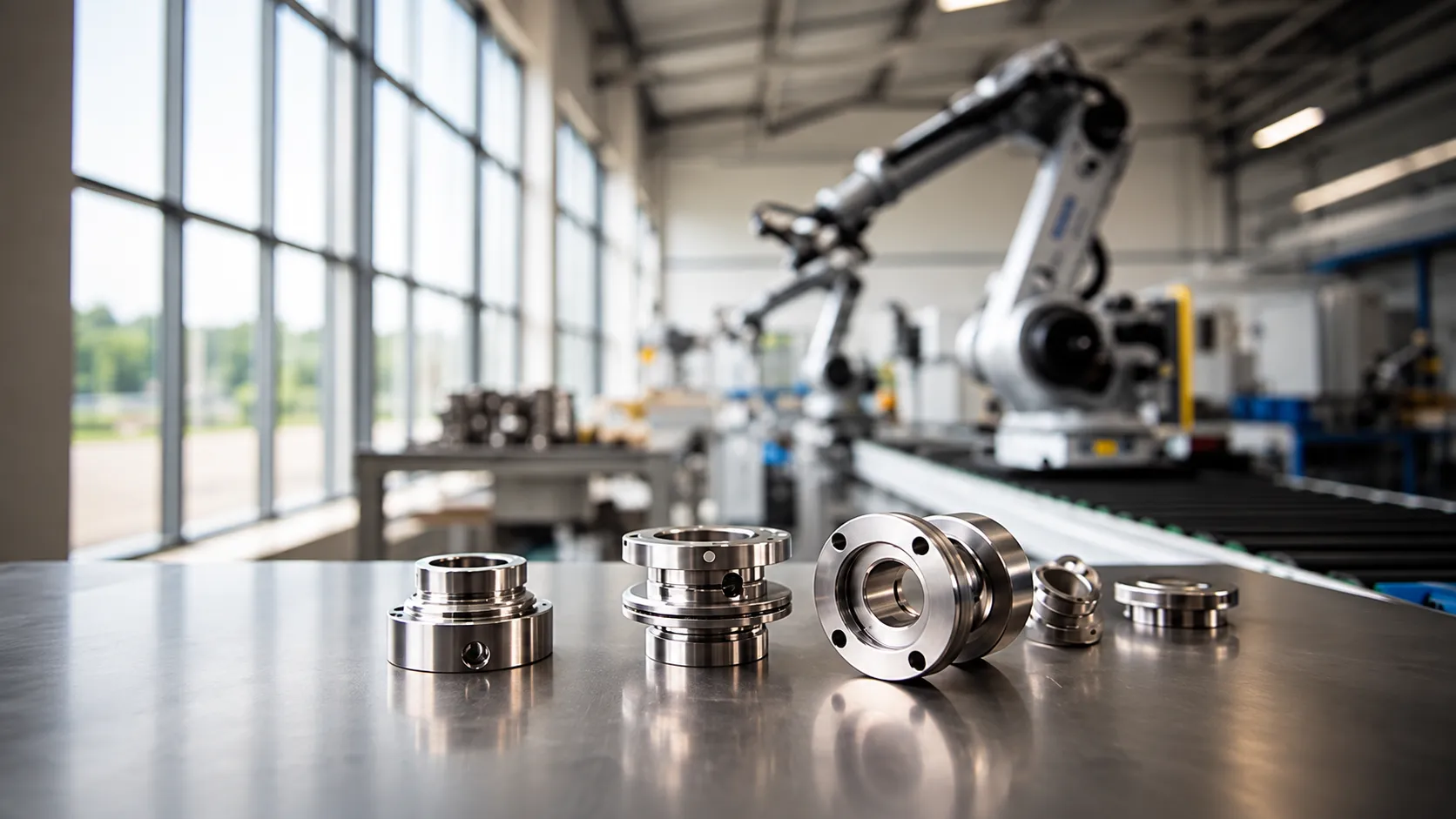
CADDi operates in a category that has historically been underserved by venture-backed technology: the procurement, quotation and supply-chain workflows that underpin industrial manufacturing. Manufacturers sourcing custom parts — machined components, sheet-metal parts, precision assemblies — have traditionally relied on slow, manual processes to solicit quotes from suppliers, compare capabilities, and manage ongoing supplier relationships across fragmented, often paper-based systems. CADDi has built software aimed at digitising and streamlining these workflows, helping manufacturers analyse technical drawings, source suppliers more efficiently, and manage quoting processes that can otherwise take weeks to complete. The category's complexity — spanning precise engineering specifications, regulatory requirements and highly fragmented supplier bases — has made it a difficult one for software companies to crack, which is part of why CADDi's traction has drawn sustained investor interest across four funding rounds.
The involvement of Toyota-backed Woven Capital is particularly significant given Toyota's central role in Japan's manufacturing ecosystem and its own substantial investments in supply-chain digitisation as part of its broader push toward smart, connected industrial operations. Woven Capital was established specifically to invest in technologies that align with Toyota's long-term mobility and manufacturing strategy, and its participation in CADDi's round suggests the automaker sees strategic value in the platform beyond a purely financial return — potentially as infrastructure that could eventually integrate with Toyota's own extensive supplier network. Salesforce Ventures' participation, meanwhile, points to enterprise software investors' continued interest in vertical SaaS platforms that address deep, industry-specific workflow problems rather than attempting to serve manufacturing customers with horizontal tools built for other sectors.
Japan's manufacturing sector, long regarded as one of the most sophisticated in the world on the factory floor, has nonetheless lagged behind other advanced economies in adopting digital tools for the administrative and procurement layers that sit around production. Much of the country's small and mid-sized manufacturing base — the dense network of suppliers that keeps larger original equipment manufacturers running — still relies on fax machines, phone calls and manual paperwork to manage sourcing relationships. That gap between shop-floor sophistication and back-office digitisation is precisely the opportunity CADDi and a handful of similar companies have targeted, arguing that digitising procurement workflows can unlock meaningful efficiency gains across an industrial base that remains central to Japan's economic output even as the country's working-age population continues to shrink.
The scale of CADDi's raise also reflects a broader recovery in confidence around Japanese enterprise technology investing in 2026. After a period in which Japanese venture capital lagged its regional peers in South Korea and China in attracting large growth-stage rounds, a handful of category-leading companies — CADDi among them — have begun closing financing rounds large enough to draw international attention. The involvement of international investors such as Atomico, a London-headquartered venture firm with a strong track record backing European technology companies, alongside domestic players like Globis Capital Partners, illustrates how CADDi has managed to build a genuinely cross-border investor base, a dynamic that remains relatively rare among Japanese startups even at this stage of maturity.
With fresh capital in hand, CADDi's next phase of growth is likely to focus on deepening its footprint among Japanese manufacturers while continuing to expand its international operations, an area the company has invested in over recent funding cycles as it has sought customers among manufacturers in North America and Europe facing similar procurement inefficiencies. Whether CADDi can replicate its domestic traction internationally, where supplier networks, regulatory environments and manufacturing norms differ significantly from Japan's, will be a key determinant of whether the company's ¥182 billion valuation continues to climb toward the kind of global manufacturing-infrastructure status its backers appear to be underwriting with this round.
CADDi's growth also illustrates a broader pattern among Japanese enterprise software companies that have found success by narrowly targeting deep, structurally difficult vertical problems rather than competing head-on with global horizontal SaaS providers. Where many enterprise software categories have consolidated around a handful of dominant international platforms, manufacturing procurement has remained fragmented enough — and specific enough to Japan's dense, quality-obsessed supplier ecosystem — that a well-executed vertical platform has been able to build meaningful defensibility. That defensibility is likely to be tested as CADDi expands internationally, where it will encounter both entrenched local competitors and manufacturers accustomed to different sourcing norms than those prevalent in Japan.
Investors in CADDi's Series D are also making an implicit bet on Japan's broader industrial digitisation trajectory. As the country's manufacturing workforce continues to contract and skilled procurement staff become harder to recruit and retain, the economic case for software that can automate and accelerate previously manual quoting and sourcing workflows becomes progressively stronger. That demographic tailwind, more than any single product feature, may prove to be CADDi's most durable competitive advantage over the coming years — a structural push toward digitisation that shows no sign of reversing, regardless of how quickly the company's own product roadmap evolves.
Analysts covering Japan's enterprise technology sector have also pointed to CADDi's ¥182 billion valuation as a signal that domestic institutional investors are once again willing to underwrite Japanese startups at valuations that would have been considered aggressive just a few years ago. That shift matters for the health of the country's broader startup ecosystem: a credible pipeline of well-valued, late-stage private companies gives earlier-stage founders and investors greater confidence that ambitious outcomes remain achievable domestically, rather than requiring a company to relocate or list overseas to access growth-stage capital at scale.


