TechArtificial Intelligence2 MIN READ

China Unveils $532 Billion Plan to Quadruple National AI Compute by 2030

China's Ministry of Industry and Information Technology has laid out a five-year plan committing 3.8 trillion yuan to more than quadruple national AI computing capacity to 9,800 exaflops by 2030.

By Aravind Kumar · Author9 September 2026Breaking
China Unveils $532 Billion Plan to Quadruple National AI Compute by 2030

China's Ministry of Industry and Information Technology unveiled a five-year plan on September 8, 2026, committing to more than quadruple the country's national artificial-intelligence computing capacity by 2030, targeting 9,800 exaflops of intelligent-computing power, up from 2,185 exaflops recorded at the end of June — a 177% year-on-year increase — and roughly 2,450 exaflops estimated by the end of July. The plan calls for 3.8 trillion yuan, approximately $532 billion, in cumulative investment in information infrastructure between 2026 and 2030.

The blueprint calls for the 'orderly deployment' of computing clusters featuring more than 10,000 accelerator cards each, with some facilities envisioned to house over 100,000 cards, building on China's existing 'East Data, West Computing' initiative, which routes energy-intensive AI workloads toward regions with cheaper electricity and land. According to the ministry, 52 such large-scale, 10,000-card facilities are already operational, indicating the infrastructure build-out is well underway rather than a purely aspirational target.

A central strategic element of the plan is its explicit emphasis on adaptation to domestically produced processors, reflecting Beijing's response to years of US-led export restrictions that have constrained Chinese access to Nvidia's most advanced AI accelerators. Rather than treating those restrictions as a ceiling on AI development, China's latest plan effectively treats compute capacity as national infrastructure comparable to telecommunications and energy — an asset to be built domestically at scale, using domestically available silicon, even if that silicon currently lags the most advanced Western chips on a per-unit performance basis.
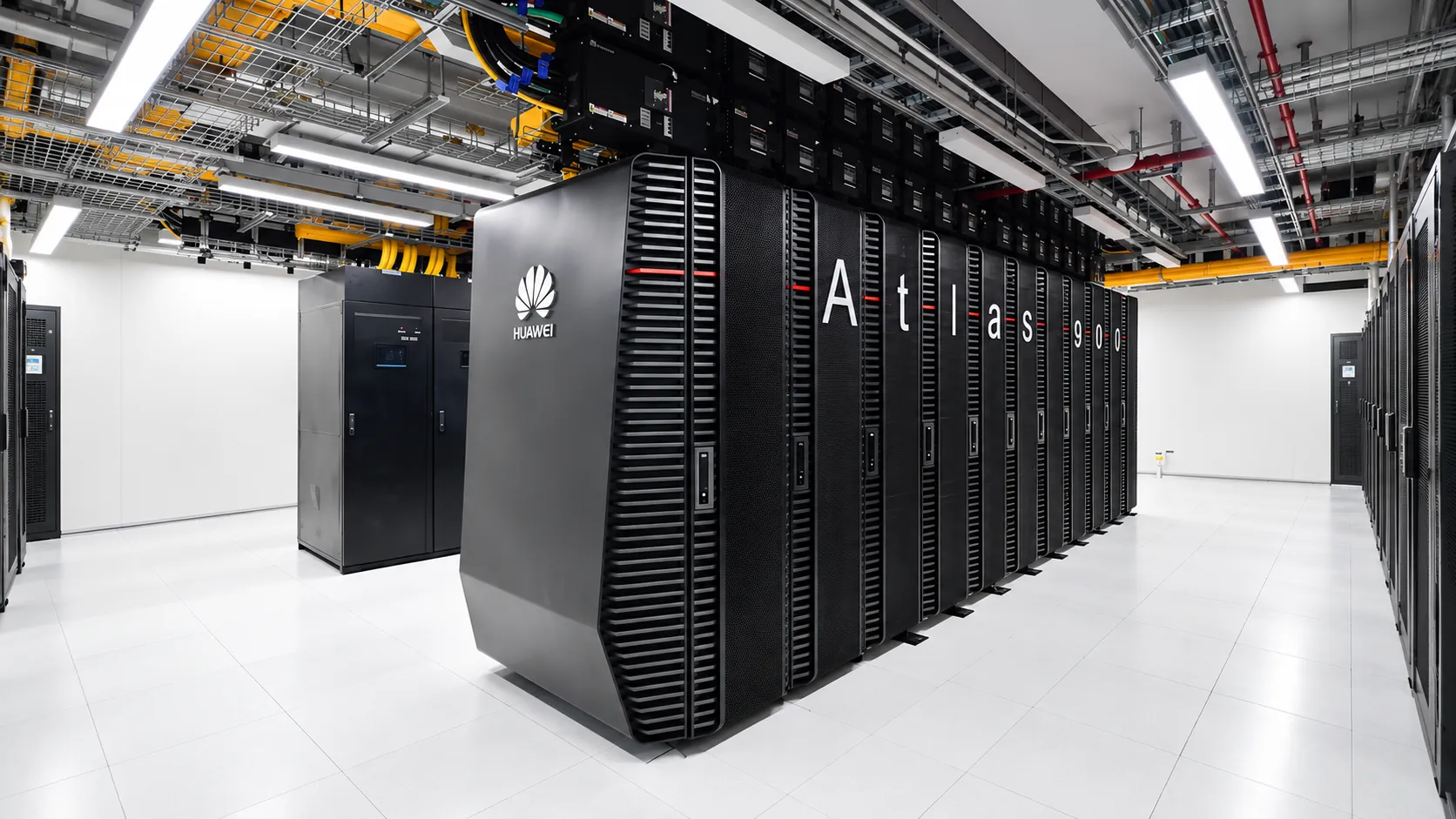

China's compute plan treats AI infrastructure as strategic national infrastructure, on par with energy and telecommunications, rather than a purely commercial technology bet.
TIGI Technology Desk
ChatGPT Image Sep 9, 2026, 12_22_16 PM.png

The scale of the commitment underscores how central computing infrastructure has become to great-power technology competition. Where the AI race was initially framed primarily around which country or company could train the most capable models, the contest has increasingly expanded to encompass capital, chips, data-centre construction, energy supply and regulatory capacity — a shift that China's latest plan explicitly acknowledges by pairing its compute targets with substantial infrastructure investment commitments spanning half a trillion dollars.

For global semiconductor and AI-infrastructure markets, China's plan carries significant second-order implications. A sustained, state-backed push toward domestic AI compute at this scale is likely to accelerate demand for Chinese-made accelerators from companies such as Huawei and Cambricon, potentially reducing China's dependence on foreign chip suppliers over the plan's five-year horizon while simultaneously creating a large captive market for those domestic chipmakers to scale production and improve their technology roadmaps through sustained government-backed demand.

International observers note that China's compute ambitions will also intensify competition for the energy resources required to power such infrastructure, adding to a global trend in which AI data-centre electricity demand is increasingly straining grid capacity across major economies. As China, the United States and other major economies each pursue aggressive AI infrastructure build-outs through the remainder of the decade, the resulting competition for chips, energy and skilled engineering talent is likely to remain one of the defining features of global technology policy through 2030.

TagsChinaAI InfrastructureComputeMIITGlobal TechSemiconductors

Reader reviews

Sign in to rate and review this article.
Loading reviews…

