FundingAnalysis5 MIN READ

China Confirms First-Ever Xi-Trump-Putin Summit in Shenzhen on November 19, With Nuclear Arms and Iran on the Agenda

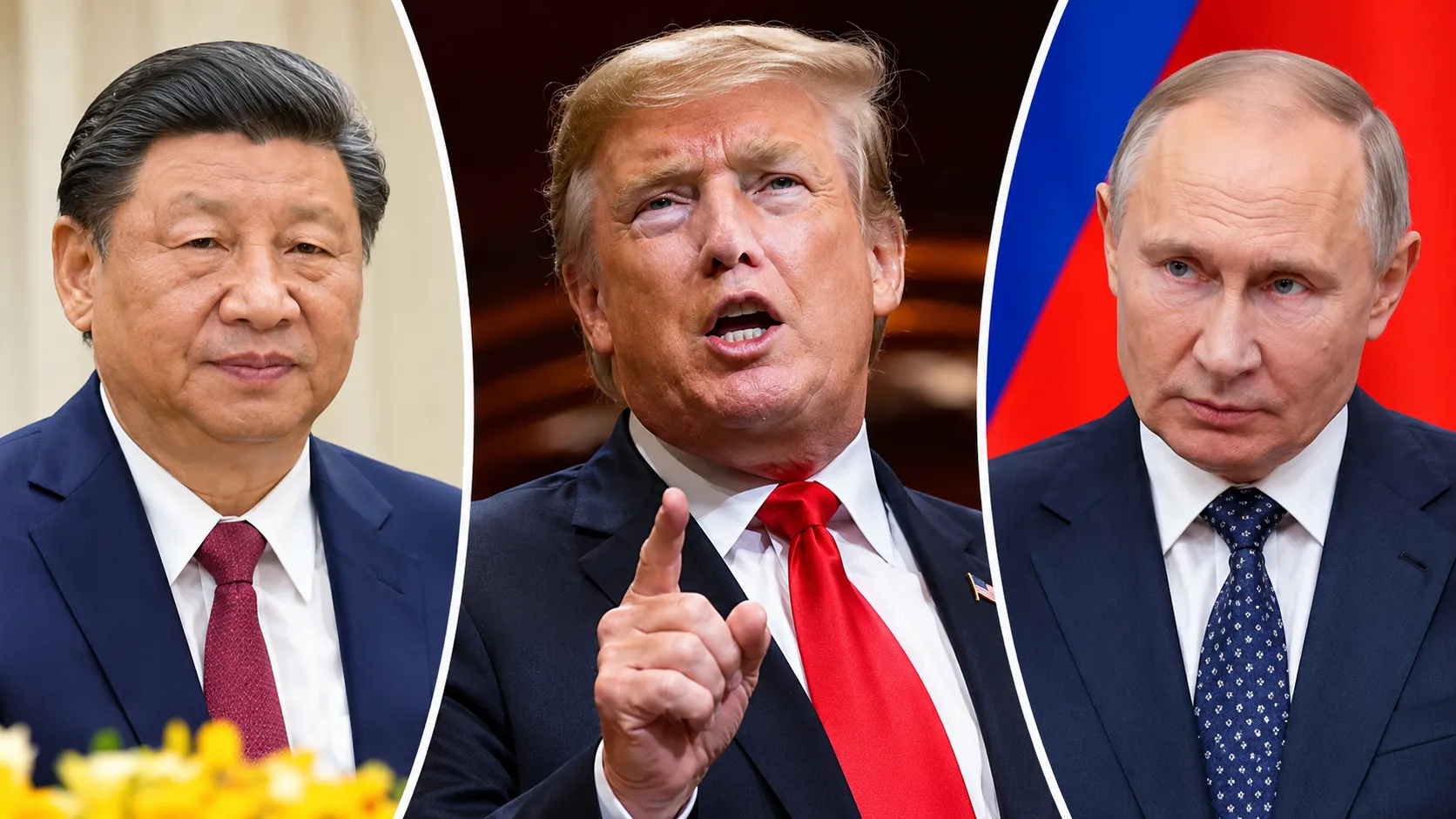
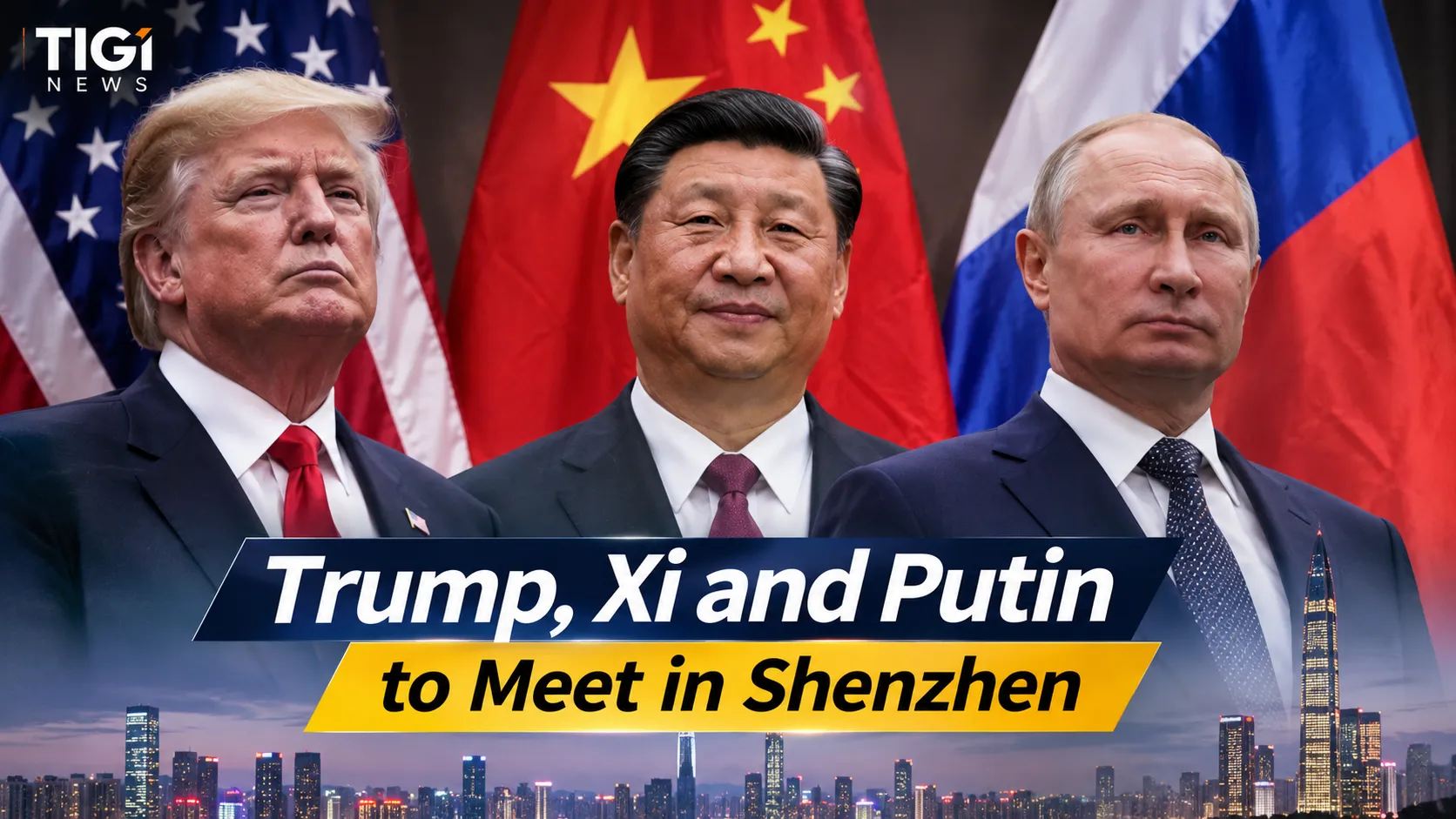
China's foreign ministry confirmed on November 16 that President Xi Jinping will host a first-ever trilateral summit with US President Donald Trump and Russian President Vladimir Putin in Shenzhen on November 19, on the sidelines of the APEC leaders' meeting. Trump wants to discuss reducing nuclear arsenals and the war involving Iran, but is not expected to discuss Ukraine.

By Shaym Kumar · Author16 November 2026New
China Confirms First-Ever Xi-Trump-Putin Summit in Shenzhen on November 19, With Nuclear Arms and Iran on the Agenda

The leaders of the world's three most powerful militaries will sit down together for the first time this week, in a meeting that could reshape the geopolitical backdrop for markets.

China's foreign ministry confirmed on Monday, November 16, that President Xi Jinping will host a trilateral meeting with US President Donald Trump and Russian President Vladimir Putin in Shenzhen on Thursday, November 19, according to AFP, as reported by Gulf News.

"On November 19, Chinese President Xi Jinping will hold a China-Russia-US heads of state meeting," the ministry said in a brief statement that gave no further details, including the agenda. The Kremlin and the White House had previously confirmed the meeting.

The summit will take place on the sidelines of the APEC leaders' summit, which China is hosting in Shenzhen on Wednesday and Thursday.

The agenda

According to US officials, Trump wants to discuss reducing nuclear arsenals and is also set to raise the war involving Iran, AFP reported. He is not expected to discuss Russia's war in Ukraine.

China has long argued that the United States and Russia, which hold by far the largest nuclear arsenals, should reduce their own stockpiles before it agrees to talks on its own weapons. China's arsenal has been growing, according to US estimates, raising concerns in Washington about a three-way arms race.

Ukraine off the table

The apparent exclusion of Ukraine from the agenda reflects China's position. German President Frank-Walter Steinmeier said that in a recent meeting, Xi showed irritation when trilateral talks on Ukraine came up. "He explicitly pointed out that this is a European conflict, in which the Europeans must also be at the table," Steinmeier said, according to AFP.

European governments have been wary of any great-power deal on Ukraine that is negotiated without them or Kyiv.

A historic meeting

A formal trilateral summit between the leaders of the United States, China and Russia would be unprecedented. The three countries are permanent members of the UN Security Council and nuclear powers, and their relationships shape global security, trade and energy markets.

Relations among them have been complex. The United States and China are strategic rivals locked in competition over trade, technology and military influence, but have sought to stabilise relations through leader-level meetings. Russia and China have deepened their partnership, particularly since Russia's invasion of Ukraine in 2022, with China becoming a major buyer of Russian energy. Trump has sought to improve relations with Putin while pursuing an end to the war in Ukraine.

Iran and energy markets

The inclusion of Iran on the agenda is significant for energy markets. The conflict involving Iran has disrupted oil supplies through the Strait of Hormuz this year, driving price volatility. China is a major buyer of Iranian oil, and Russia has close ties with Tehran, giving both leverage in any diplomatic effort.

Oil prices were steady on Monday despite a new Iranian strike on a US base in Bahrain, as rising supply offset geopolitical risk. Any progress towards de-escalation could reduce the risk premium further.

The trade dimension

The summit coincides with the APEC CEO Summit in Shenzhen, attended by 12 leaders and representatives of 115 Fortune Global 500 companies. Business leaders will be watching for any signals on trade, tariffs and export controls, which have disrupted supply chains in recent years. China's economy is slowing, with October data showing retail sales growth of just 0.4%, giving Beijing an incentive to seek stability in trade relations.

“On November 19, Chinese President Xi Jinping will hold a China-Russia-US heads of state meeting.”
— China's Ministry of Foreign Affairs

US Secretary of State Marco Rubio is set to accompany Trump in the Philippines and China, according to Newsquawk.

ee11e7d2-9230-4749-85d6-ac28a7c53414.png

Why it matters for markets

Geopolitical developments have been a major driver of market volatility this year, from energy prices to defence stocks and currency movements. A constructive summit could ease concerns about conflict and trade disruptions, supporting risk assets. A failure, or signs of deeper divisions, could add to uncertainty.

Arms control talks, if they progress, would be a long-term process, but any agreement to begin negotiations could be seen as a positive signal for global stability.

What it means for India

India has a strong interest in the summit's outcome. It has close ties with both the United States and Russia, and a complex relationship with China, with which it shares a disputed border. India buys significant amounts of Russian oil and defence equipment, while deepening its strategic partnership with the United States through the Quad.

A US-China-Russia understanding could affect the balance of power in Asia, energy markets and trade flows in ways that matter for India. Indian policymakers will watch closely for any implications for regional security and for sanctions affecting Russian and Iranian oil.

Prime Minister Narendra Modi is in Manila this week for the ASEAN-India and East Asia summits.

Precedents in arms control

The United States and Russia have a long history of bilateral arms control agreements, from the Cold War treaties to the New START treaty, which capped deployed strategic warheads. Arms control between the two countries has weakened in recent years, and China has never been part of such agreements. Bringing all three into talks would be a major shift.

Experts say any trilateral framework would face significant obstacles, including differences in arsenal sizes, verification and each country's security concerns.

Markets and diplomacy

Investors have become accustomed to geopolitical events moving markets, from tariff announcements to conflicts affecting energy supply. High-level summits can produce surprises, and traders will watch closely for any statements on trade, sanctions or energy that could affect commodity prices and currencies.

Diplomats note that leader-level meetings between rivals often focus on establishing channels of communication and reducing the risk of miscalculation, rather than producing detailed agreements. Even modest outcomes, such as agreements to hold further talks, could be seen as progress given the tensions among the three powers.

Officials in Beijing, Washington and Moscow have so far kept expectations low, with no joint statement or deliverables announced in advance of the meeting.

Analysts say the choice of Shenzhen as the venue also allows Beijing to frame the meeting as part of its broader economic diplomacy.

What comes next

The summit on November 19 will be closely watched for any announcements on nuclear arms control, Iran and trade. Given the brief official statements so far, expectations are uncertain, and the meeting's significance may lie as much in its symbolism as in concrete outcomes.

TagsXi JinpingDonald TrumpVladimir Putintrilateral summitShenzhenAPECChinaUnited StatesRussianuclear arms controlIranUkrainegeopoliticstradeoil pricesglobal marketsUS-China relationsIndia foreign policydiplomacyinvestors

Reader reviews

Sign in to rate and review this article.
Loading reviews…

