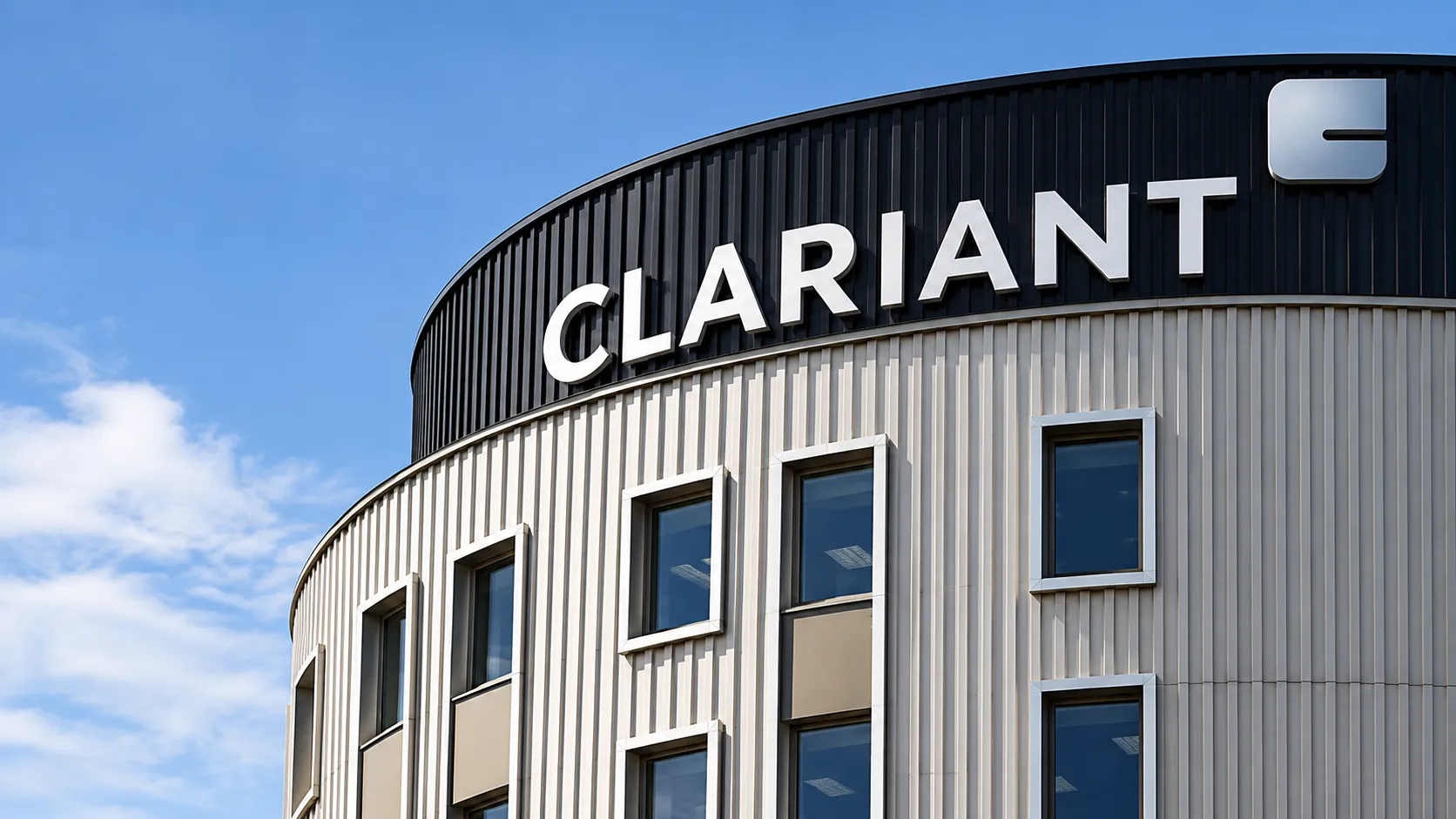
The global specialty chemicals industry is consolidating, and a Swiss group has emerged as a possible buyer for one of America's best-known chemicals names.
Clariant said on Monday, November 23, that it is in talks to potentially acquire Ashland in partnership with private equity firm Clayton, Dubilier & Rice (CD&R), Reuters reported. The statement confirmed a Bloomberg News report from the previous day that the parties were negotiating an all-cash deal.
Clariant said there was no certainty that a transaction would be agreed, nor about its final terms, according to Reuters.
The target
Ashland is a US-listed specialty chemicals company with a market capitalisation of about $3.32 billion, according to LSEG data cited by Reuters. Its shares rose about 1% in extended trading after the reports.
Ashland produces specialty additives and ingredients used in a wide range of products, including personal care items such as skin and hair care products, pharmaceuticals, coatings and construction materials. The company has undergone several transformations over its long history, shedding businesses to focus on higher-margin specialty chemicals.
Ashland had been exploring a sale after activist investors argued that the company was undervalued, according to Reuters.
The buyers
Clariant, headquartered in Muttenz near Basel, is one of Europe's leading specialty chemicals companies, producing catalysts, additives and ingredients for industries including consumer care, agriculture, coatings and energy. In recent years it has restructured its portfolio, selling businesses such as pigments and masterbatches to focus on core specialty areas.
Clayton, Dubilier & Rice is a New York-based private equity firm with a long track record of investing in industrial and consumer businesses. Partnering with a private equity firm would allow Clariant to share the financial burden of a large acquisition, with the two parties potentially dividing Ashland's businesses according to their strategic interests.
Why the deal makes sense
The specialty chemicals industry has faced a challenging period. Demand in key end markets, such as construction, manufacturing and consumer goods, has been weak in several regions, while energy and raw material costs have been volatile. Competition from Chinese producers has intensified in some segments.
In this environment, companies are seeking scale, operational efficiencies and stronger positions in attractive niches. Combining businesses can reduce costs through shared procurement, manufacturing and distribution, and allow companies to invest more in research and development.
Ashland's personal care and pharmaceutical ingredients businesses could complement Clariant's consumer care portfolio, while other parts of Ashland might be of more interest to CD&R.
The activist effect
Activist investors have played an increasingly prominent role in the chemicals industry, pushing companies to sell underperforming businesses, return cash to shareholders or put themselves up for sale. Their argument is often that conglomerate structures and slow decision-making have left value unrealised.
Ashland's decision to explore a sale under activist pressure reflects this trend. For shareholders, a sale at a premium could crystallise value that the market had not recognised.
Private equity's role
Private equity firms have been active buyers of chemicals businesses, attracted by stable cash flows, opportunities for operational improvement and the potential to buy assets at attractive valuations during periods of weak demand. Partnerships between strategic buyers, such as Clariant, and private equity firms have become more common in large, complex deals.