StartupsTrending6 MIN READ

D2C Sneaker Brand Comet Raises INR 100 Crore Series B Led by Verlinvest

Bengaluru-based sneaker label Comet has raised INR 100 crore in a Series B round led by Verlinvest, with angel backing from Urban Company and Snap executives, as it doubles its retail footprint.

By Nisha Omkumar · Author5 September 2026New
D2C Sneaker Brand Comet Raises INR 100 Crore Series B Led by Verlinvest

Comet, the Bengaluru-based direct-to-consumer sneaker brand known for limited-edition drops that routinely sell out within minutes, has raised INR 100 crore in a Series B round led by global investment firm Verlinvest. Existing backers Elevation Capital and Nexus Venture Partners increased their stake in the round, which also drew angel participation from Urban Company co-founder Abhiraj Singh Bhal, Snap Inc global chief business officer Ajit Mohan, and Bhaane founder Anand Ahuja.

The round underscores continued investor confidence in India's homegrown fashion and footwear brands at a time when consumer spending on discretionary categories has been closely watched for signs of softening. Comet's ability to draw capital from both institutional funds and individual operators with deep consumer-brand experience suggests its model of scarcity-driven drops has built durable demand rather than one-off hype.

The round also arrives at a moment when India's broader direct-to-consumer sector has faced tighter scrutiny from investors following a string of high-profile valuation corrections across several consumer internet categories, making Comet's ability to draw fresh institutional capital, and particularly capital from a firm with a strong international consumer-brand track record, a meaningful signal of continued confidence in disciplined, design-led retail models.

Industry professionals tracking India's footwear retail sector note that the category has historically been dominated by a small number of large international brands controlling the bulk of organised retail shelf space, making Comet's rise as a credible domestic challenger a closely watched case study for retail strategists and franchise operators evaluating how design-led, digitally native brands can carve out sustainable positioning against decades-old incumbents with far larger marketing budgets and distribution networks.

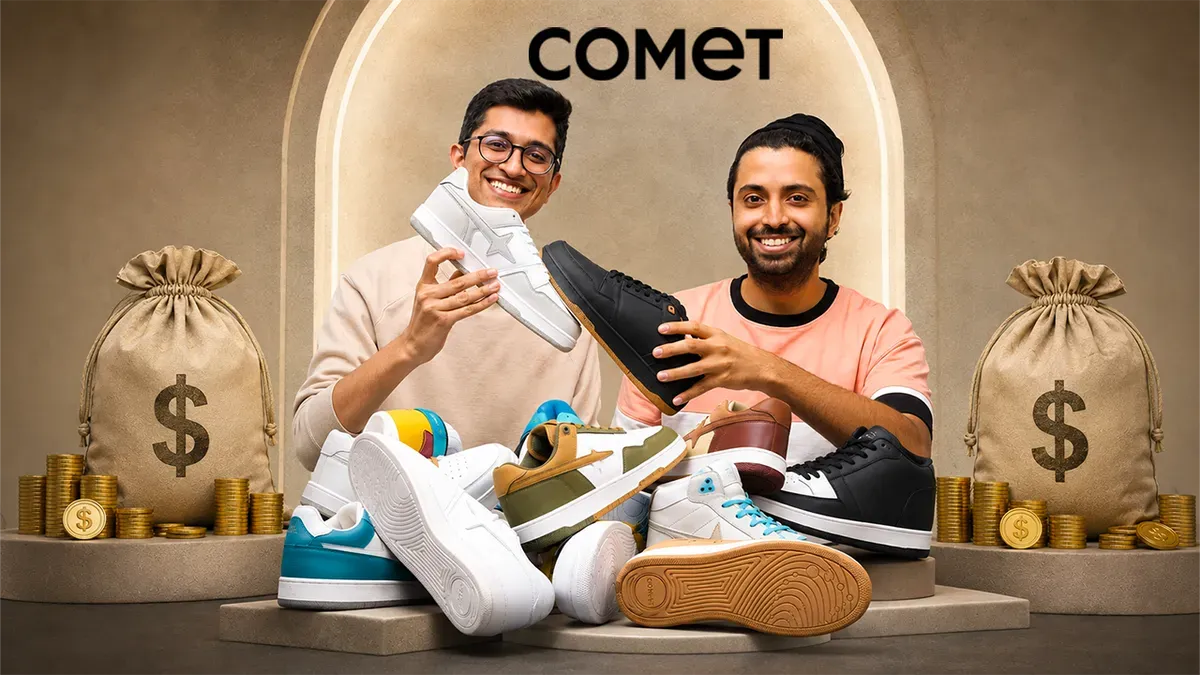
Founded in 2023 by Utkarsh Gupta and Dishant Daryani, Comet has built its identity around limited releases, a strategy borrowed from global streetwear culture and adapted for the Indian market's growing appetite for design-led, collectible footwear. The approach has allowed the brand to generate outsized demand relative to its physical retail footprint, with drops frequently selling out faster than the company can restock.

The company plans to use the fresh capital to expand its retail presence, strengthen its product development and technology capabilities, and fund in-house research and development into proprietary sole moulds, a move that would reduce its reliance on third-party manufacturing partners and give it tighter control over product differentiation and margins as it scales.

India's sneaker and streetwear culture has grown substantially over the past five years, fuelled by rising social media influence, growing disposable incomes among younger urban consumers, and increased exposure to global fashion trends through digital platforms. That cultural shift has created space for homegrown brands like Comet to compete directly against long-established international sneaker labels, provided they can match the design sensibility and drop-based marketing tactics that have defined the category's most successful global players.
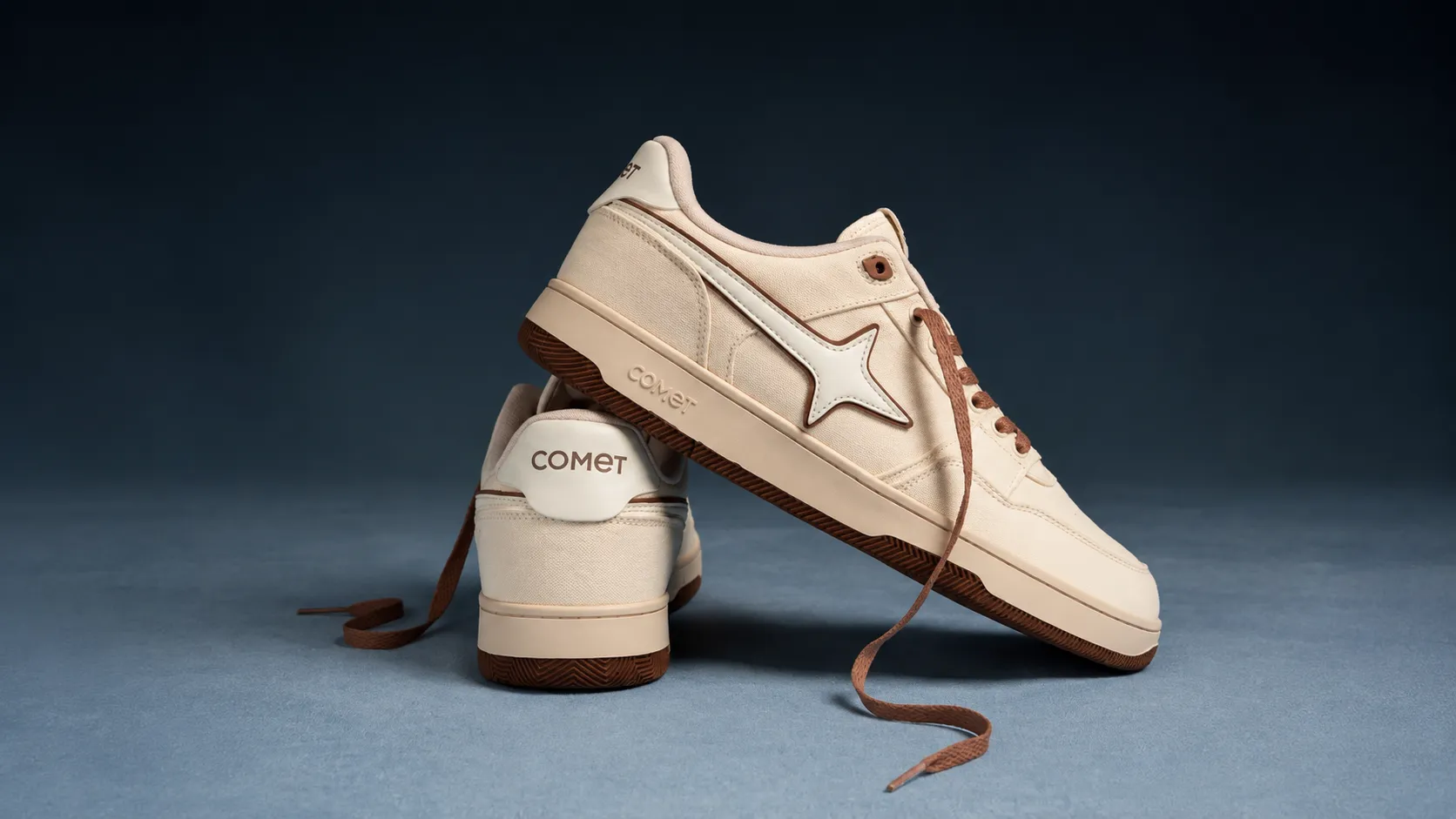
image.png

Comet currently operates ten company-owned stores and has set a target of doubling that footprint to twenty locations by the end of fiscal year 2027, a pace of expansion that reflects confidence in both its brand pull and its unit economics. The company has disclosed that revenue has grown ninefold since its Series A round in 2024, a growth rate that helps explain the willingness of new investors to back a second major round within roughly a year.


A ninefold revenue jump since Series A shows scarcity-driven retail can scale in India when backed by disciplined manufacturing and real repeat demand.
TIGI Startups Desk

The involvement of Verlinvest, a firm with a track record of backing consumer brands internationally, adds a layer of global validation to Comet's growth story. For a category as crowded and trend-sensitive as sneakers and streetwear, sustained institutional backing is often what separates a passing fashion moment from a durable retail business capable of surviving beyond its first few viral collections.

The decision to invest in proprietary sole moulds also reflects a broader maturation pattern common among successful direct-to-consumer brands: moving from reliance on third-party contract manufacturing toward greater vertical control over core product components, a shift that typically improves both margins and the brand's ability to differentiate through genuine product innovation rather than styling and marketing alone.

For entrepreneurs building consumer brands elsewhere in India, and for diaspora investors evaluating opportunities in the country's fashion and retail sector, Comet's fundraising trajectory offers a useful case study in how design-led scarcity models, long associated primarily with international streetwear culture, can be successfully localised and scaled within India's own retail and manufacturing ecosystem.

Comet's fundraise also reflects a broader pattern in India's direct-to-consumer landscape, where founders with strong design sensibility and disciplined supply chains are increasingly able to command premium valuations even in a funding environment that has grown more selective overall. Investors appear willing to back category-defining consumer brands provided they can show clear repeat purchase behaviour and improving margins alongside top-line growth.

As Comet moves toward its expanded store target, the real test will be whether its scarcity-driven playbook can scale without diluting the very exclusivity that built its customer base in the first place. Balancing wider retail access with the brand cachet of limited drops is a challenge that has tripped up streetwear labels globally, and how Comet manages that tension over the next two years will likely determine whether this round marks a mid-stage milestone or a peak.

For Verlinvest and Comet's other backers, the calculation increasingly rests on whether the brand can replicate its metro success in India's fast-growing tier-two cities, where rising incomes and expanding e-commerce logistics have created a large, still largely untapped customer base for design-forward domestic fashion brands willing to invest in the kind of retail and marketing infrastructure that builds lasting brand loyalty beyond a single viral drop.

As Comet works toward its expanded store count, the brand's next fundraising milestone, whether a further growth round or eventual public listing consideration, will likely hinge on whether it can demonstrate that its scarcity-driven model translates into durable customer lifetime value rather than one-time novelty purchasing, a distinction that institutional investors evaluating India's broader direct-to-consumer sector are increasingly scrutinising closely.

The bottom line for TIGI's readers: Comet's raise is a live test of whether India-built consumer brands can scale scarcity marketing into durable retail infrastructure without losing the exclusivity that built their following in the first place.

TagsCometD2CSneakersSeries BVerlinvestIndia Retail

Reader reviews

Sign in to rate and review this article.
Loading reviews…
