
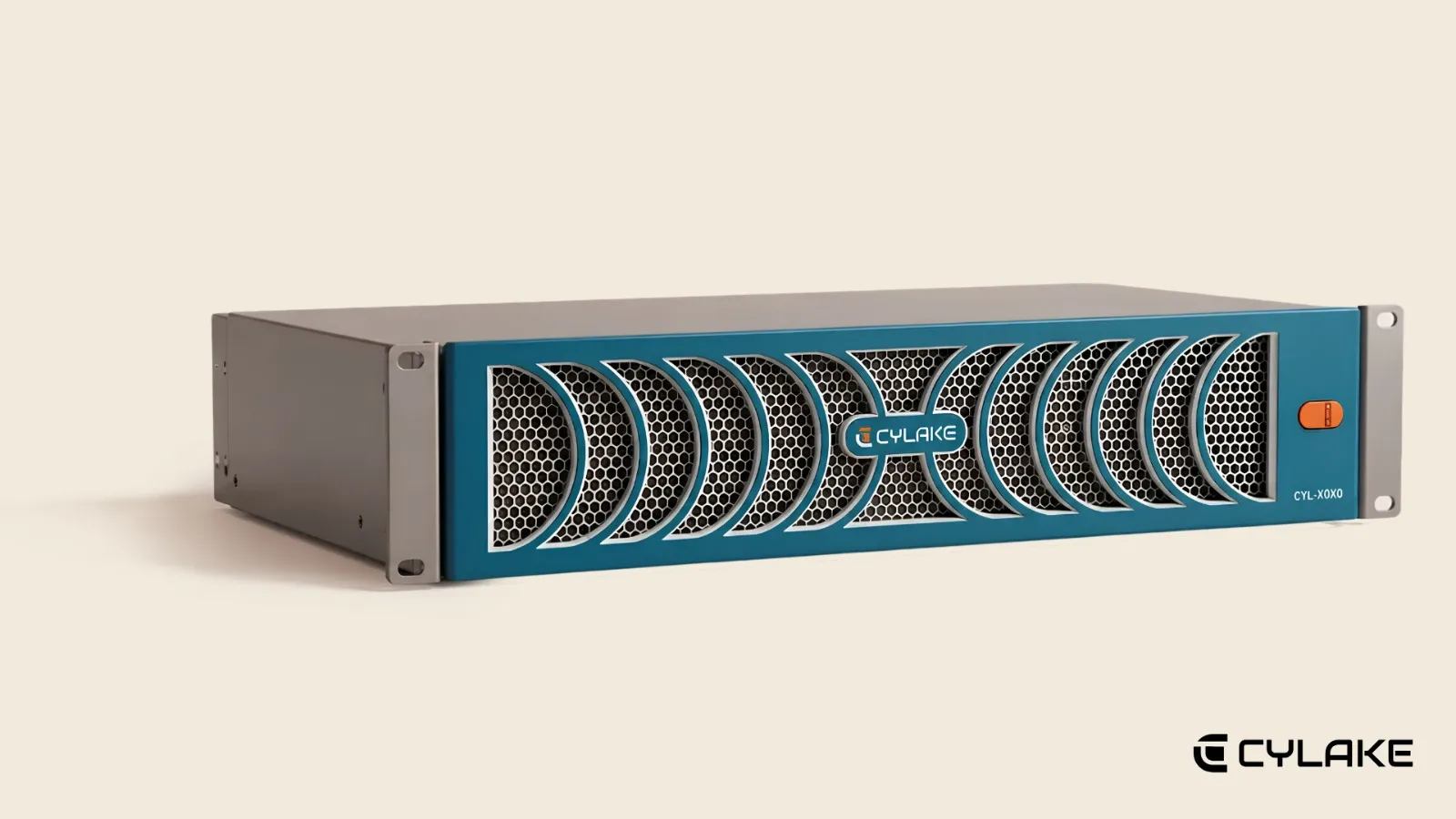
Cylake, a cybersecurity startup based in Sunnyvale, California, has raised $245 million in convertible notes from Lightspeed Venture Partners, Picture Capital and Redpoint Ventures, according to a funding announcement disclosed September 9. The company describes itself as building a cybersecurity platform focused on what it terms 'operational sovereignty,' as it approaches the beta release of its next-generation security product.
The unusually large size of a convertible-note round, rather than a conventionally priced equity financing, reflects a structuring approach increasingly common among well-regarded AI-era startups that want to defer formal valuation-setting until closer to a product launch or subsequent priced round, while still securing substantial runway from committed investors. This approach has become particularly prevalent among cybersecurity and infrastructure startups where product development milestones, rather than immediate revenue traction, remain the clearest near-term signal of company progress.
Cylake's emphasis on operational sovereignty speaks to a growing enterprise and government concern around dependency on foreign or third-party-controlled technology infrastructure for mission-critical security operations, a theme that has gained increasing traction amid heightened geopolitical tension and growing scrutiny of supply-chain risk across the technology sector. Security platforms that can offer enterprises greater control and visibility over their own infrastructure, rather than relying entirely on externally hosted or foreign-controlled systems, have found a receptive audience among both corporate and government buyers navigating an increasingly fractured global technology landscape.
The participation of Lightspeed, Picture Capital and Redpoint in a round of this scale signals strong institutional confidence in Cylake's technical roadmap, even ahead of a public beta launch — a pattern that has become increasingly common in cybersecurity venture investing, where investors are often willing to commit substantial capital based on founding team pedigree and early technical demonstrations rather than waiting for fully proven commercial traction.
Cybersecurity has remained one of the most resilient venture capital categories through 2026, even as broader technology funding has shown periodic volatility, reflecting the sector's non-discretionary nature for enterprise buyers who cannot meaningfully reduce security spending regardless of macroeconomic conditions. Cylake's substantial raise adds to a growing list of well-capitalised cybersecurity startups competing for enterprise attention across an increasingly crowded field of AI-native security platforms.
As Cylake moves toward its beta release, the company's ability to convert this significant capital infusion into demonstrable product differentiation, and ultimately paying enterprise customers, will determine whether it can justify the scale of investor confidence reflected in this latest financing round relative to an increasingly competitive cybersecurity startup landscape.
Cylake's emphasis on operational sovereignty also resonates with a broader enterprise procurement trend in which chief information security officers increasingly evaluate vendors not just on detection capability but on the degree of infrastructure control and auditability a platform affords, particularly for organisations operating in regulated industries or jurisdictions with data-localisation requirements.
The scale of this convertible-note round also places Cylake among a growing cohort of cybersecurity startups opting for structurally flexible financing instruments over traditional priced equity rounds, a trend that reflects both strong investor demand to secure allocation in category-leading security startups and founder preference for deferring valuation-setting until product milestones provide clearer commercial validation.
Cylake's eventual beta launch, expected in the coming months, will offer the clearest test yet of whether its operational-sovereignty positioning translates into measurable enterprise adoption, particularly among government and critical-infrastructure customers who have historically been the most receptive audience for security platforms emphasising infrastructure control.


