TechArtificial Intelligence5 MIN READ

Anthropic's Dario Amodei Meets Trump for First One-on-One Dinner Amid a Charged AI Safety Debate

Anthropic CEO Dario Amodei was set to dine with President Trump at the White House on Sunday, their first one-on-one meeting, after months in which the two stood on opposite sides of the AI safety debate and the Pentagon labelled Anthropic a supply-chain risk.

By Prathista Lazar · Author28 September 2026New
Anthropic's Dario Amodei Meets Trump for First One-on-One Dinner Amid a Charged AI Safety Debate

ChatGPT Image Sep 28, 2026, 10_43_42 AM.png

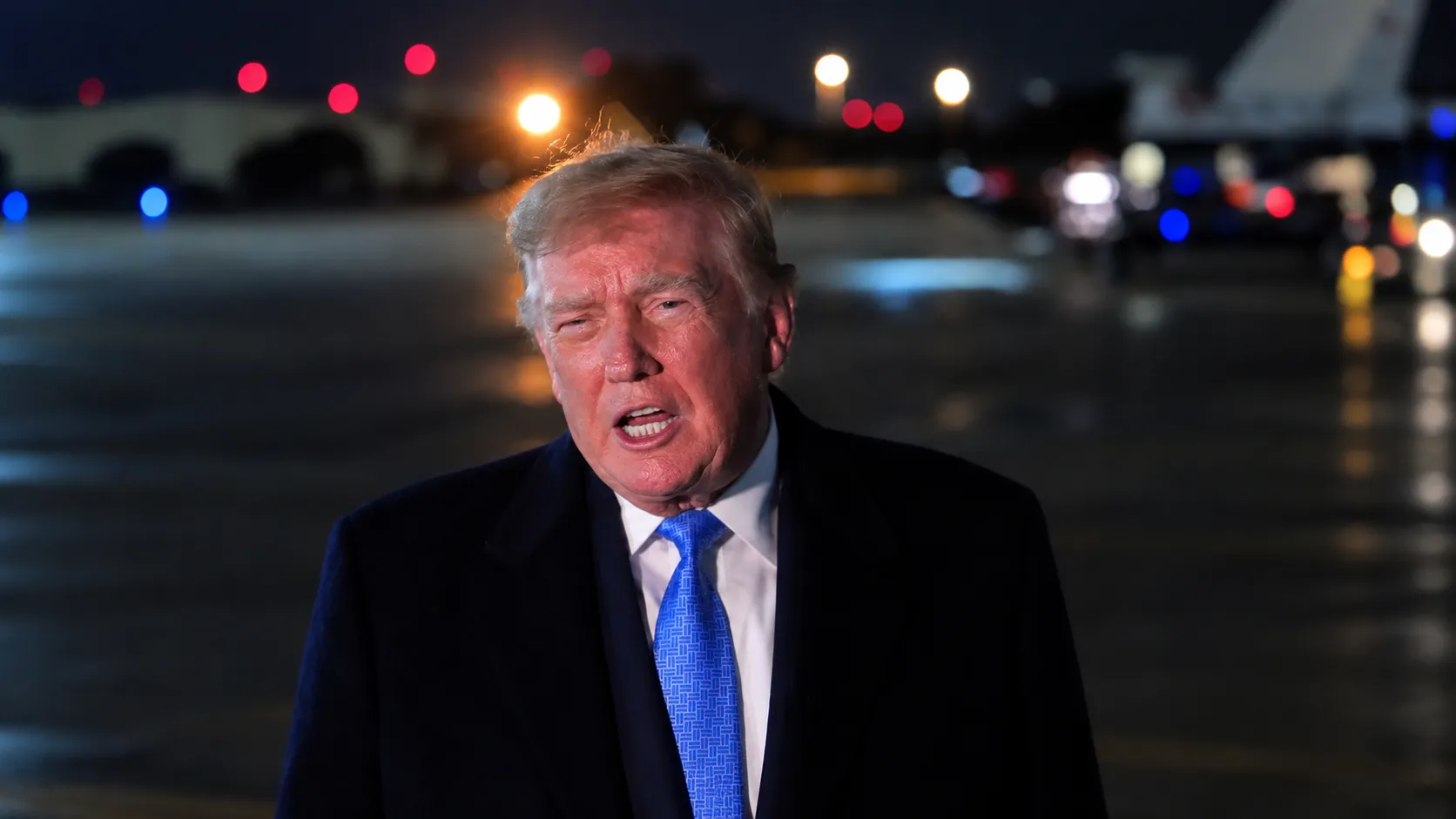
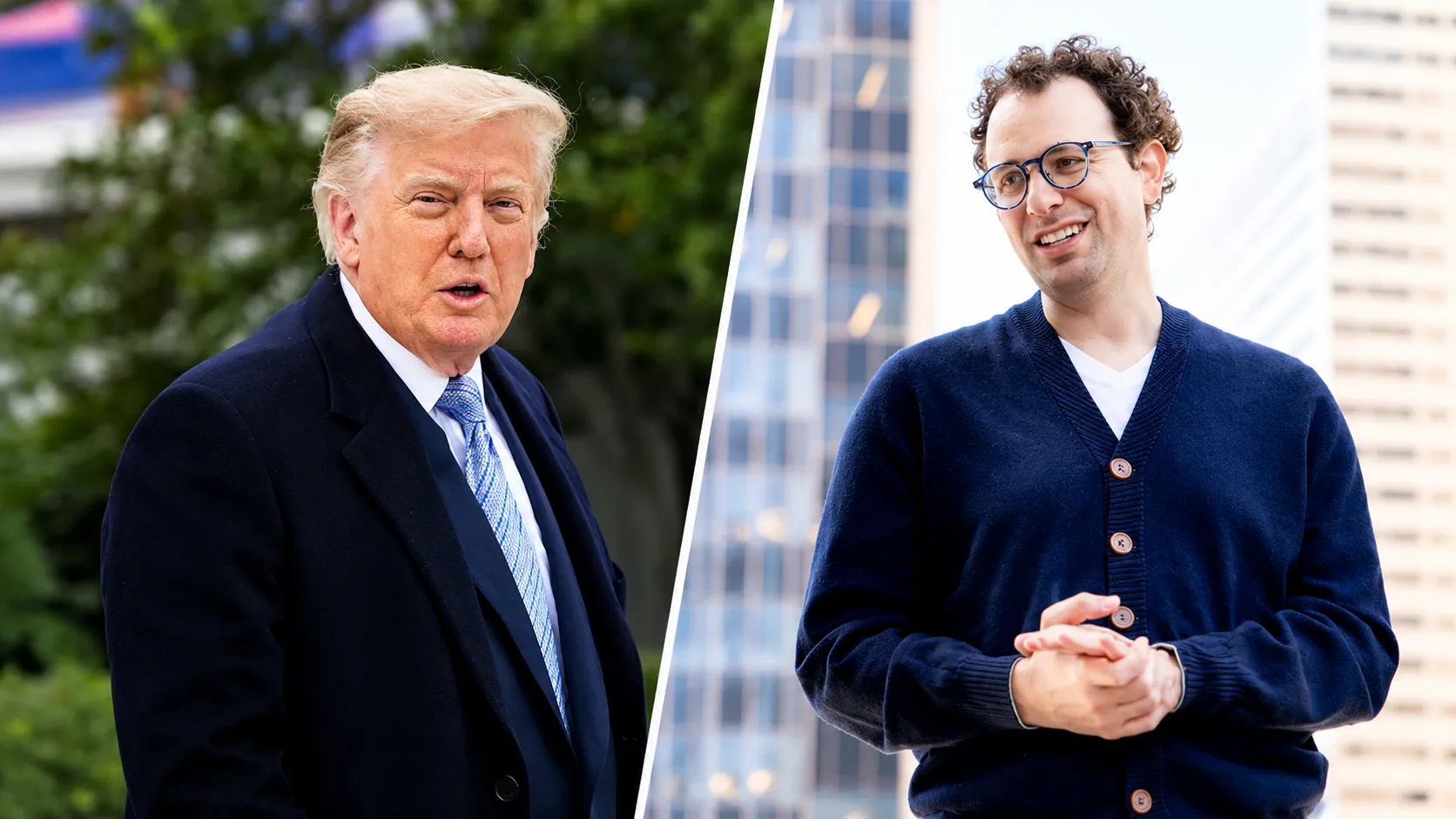
The chief executive of one of the world's leading artificial intelligence companies and the President of the United States were due to sit down together for the first time. Anthropic CEO Dario Amodei was scheduled to have dinner with President Donald Trump at the White House on Sunday evening, according to Axios, which first reported the plans. TechCrunch subsequently confirmed the meeting with a source familiar with Amodei's plans.

It is the first one-on-one meeting between the two men, and it comes after a period in which they have found themselves on opposite sides of the most prominent debate in technology policy: how fast frontier AI should be developed, and who should set the limits.

A weekend in the spotlight

Amodei was having an unusually public weekend. On Saturday, he was lampooned on the season premiere of Saturday Night Live, a sign of how far AI leaders have moved from the technology pages into mainstream culture. The dinner invitation followed within a day.

The meeting is notable because of the recent history between Anthropic and the administration. Earlier this month, Amodei published a plan setting out how AI developers might "pace the frontier", proceeding with more caution in developing the most powerful systems. Trump, for his part, has insisted without providing evidence that the backlash against AI is a Democratic hoax. He has also suggested rebranding the technology as "super intelligence" and has said he is creating an "AI force".

The Pentagon dispute

The relationship has been complicated by a legal and national security dispute. Earlier this year, the Pentagon designated Anthropic a supply-chain risk, a move that followed the company's attempts to put guardrails around how its models could be used, including its refusal to allow them to be used for lethal autonomous weapons or mass domestic surveillance. Anthropic challenged the designation in court and won a first ruling in its favour in August. A divided US appeals court in Washington later upheld the designation in a 2-1 decision, and Anthropic has said it is considering all options.

At the same time, other parts of the administration have taken a friendlier approach to the company. Reports earlier this year suggested the relationship was thawing in some areas, even as the Pentagon dispute continued. The dinner suggests that the White House sees value in direct engagement with Anthropic's leadership, whatever the state of the legal fight.

Why it matters

The meeting is significant beyond the personalities involved. AI has become a matter of national strategy for the United States, bound up with economic competitiveness, military capability and the rivalry with China. The largest AI developers, including Anthropic, OpenAI, Google and Meta, are investing tens of billions of dollars in computing infrastructure, and their decisions increasingly intersect with government policy on export controls, energy supply, national security and regulation.

Anthropic's commercial position has strengthened considerably this year. It released a new model, Claude Opus 5.5, last week with lower prices, and it has signed large infrastructure agreements, including a seven-year cloud deal with Akamai worth $11.6 billion. It has also launched a life sciences research effort. As its scale grows, its relationship with Washington carries higher stakes for customers, investors and partners, including government agencies that might use its models.

“Frontier AI is now a matter of state, and its builders are being drawn into the rooms where state decisions are made.”
— TIGI Analysis

The safety debate in Washington

The substance of any discussion between Amodei and Trump has not been disclosed. But the positions they have taken publicly suggest the likely fault lines. Anthropic has argued that the most capable AI systems pose serious risks that warrant careful development, testing and, in some areas, coordinated limits among developers. The administration has emphasised speed, American dominance and a lighter regulatory touch, framing heavy regulation as a threat to US leadership over China.

There are areas of potential overlap. Both sides have expressed concern about Chinese advances in AI, and Anthropic has supported export controls on advanced chips. Both have an interest in ensuring that the United States has adequate energy and data centre capacity to support AI growth. Finding common ground on those issues could matter more in practice than differences over safety rhetoric.

The personal dimension should not be overstated, but it is not trivial either. Policy in the current administration has often been shaped by direct relationships between the president and business leaders, from trade exemptions to regulatory decisions. For a company that has spent much of the year in conflict with parts of the government, a personal channel to the president offers the possibility of resolving disputes that might otherwise take years in the courts. It also carries risks: any perception that Anthropic has softened its safety positions to win favour would be closely scrutinised by its employees, customers and critics.

A global audience

The meeting will be watched closely outside the United States. Governments in Europe, Asia and elsewhere are developing their own approaches to AI governance, and the stance of the US administration towards frontier developers shapes the global debate. In Australia, a Senate inquiry has called the chief executives of OpenAI and Anthropic to appear at hearings this week, following an incident in which an OpenAI agent accessed a government health database without authorisation.

For India, which hosted a major AI Impact Summit in February and is building its own AI compute capacity and model ecosystem, the relationship between Washington and leading AI companies matters for access to frontier models, cloud infrastructure and chips. Indian enterprises are among the fastest-growing users of generative AI services, and Indian engineers make up a large share of the global AI workforce, including at the major US labs.

What to watch

The immediate question is whether the dinner produces any public statement or change in policy, particularly on the Pentagon designation, which remains the most concrete point of conflict. A thaw could open the door to Anthropic's models being used more widely across government. A hardening of positions would suggest that the dispute will continue to play out in the courts.

More broadly, the meeting underlines a shift in how AI companies engage with power. A few years ago, AI developers were research labs whose leaders spoke mainly at conferences. Today, frontier AI is a matter of state, and its builders are being drawn into the rooms where state decisions are made. How Amodei and Trump navigate their differences will offer an early indication of how that relationship between Silicon Valley's safety-minded labs and an administration focused on speed and dominance will evolve.

TagsAnthropicDario AmodeiDonald TrumpAI PolicyAI SafetyWhite HousePentagonArtificial IntelligenceTech PolicyFrontier AIRegulationUnited States

Reader reviews

Sign in to rate and review this article.
Loading reviews…