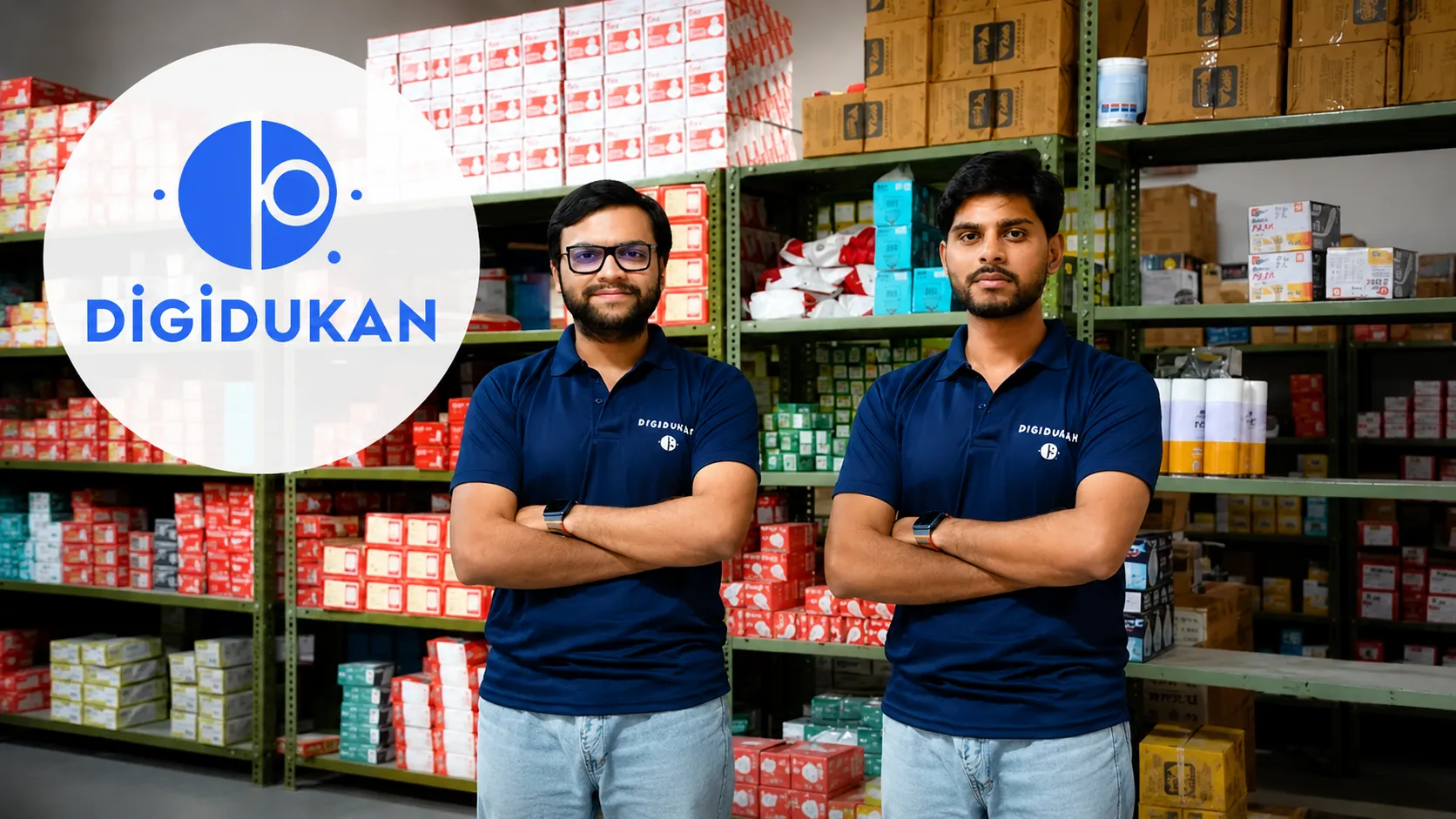
DigiDukan, a Jaipur-based B2B quick-commerce startup founded by Lakshya Agarwal and Kshitij S. Rungta, has raised Rs 2 crore in angel funding from the directors of United Plywood, according to disclosures reported on 19 August 2026. The company lets construction-material retailers order supplies on demand, promising delivery within 60 minutes — a model it describes as bringing the speed of consumer quick commerce to a fragmented, traditionally offline B2B trade.
The round is modest by the standards of India's better-capitalised consumer startups, but it arrives at a moment of striking operational momentum for the company: DigiDukan says its monthly gross merchandise value has grown eightfold since the start of 2026, with a repeat customer rate of around 90% — a figure that, if sustained, would suggest the platform has found genuine product-market fit among small and mid-sized construction retailers rather than relying on one-off, discount-driven demand.
India's construction supply chain has historically been one of the country's most fragmented and least digitised commercial sectors, dominated by relationship-driven procurement, inconsistent pricing, and delivery timelines that can stretch from days to weeks depending on distributor relationships and local availability. Startups attempting to modernise this space have generally taken one of two approaches: building marketplaces that connect retailers directly to manufacturers, or building rapid-fulfilment layers — closer to DigiDukan's model — that sit between existing distributors and end retailers, promising speed rather than restructuring the supply chain outright.
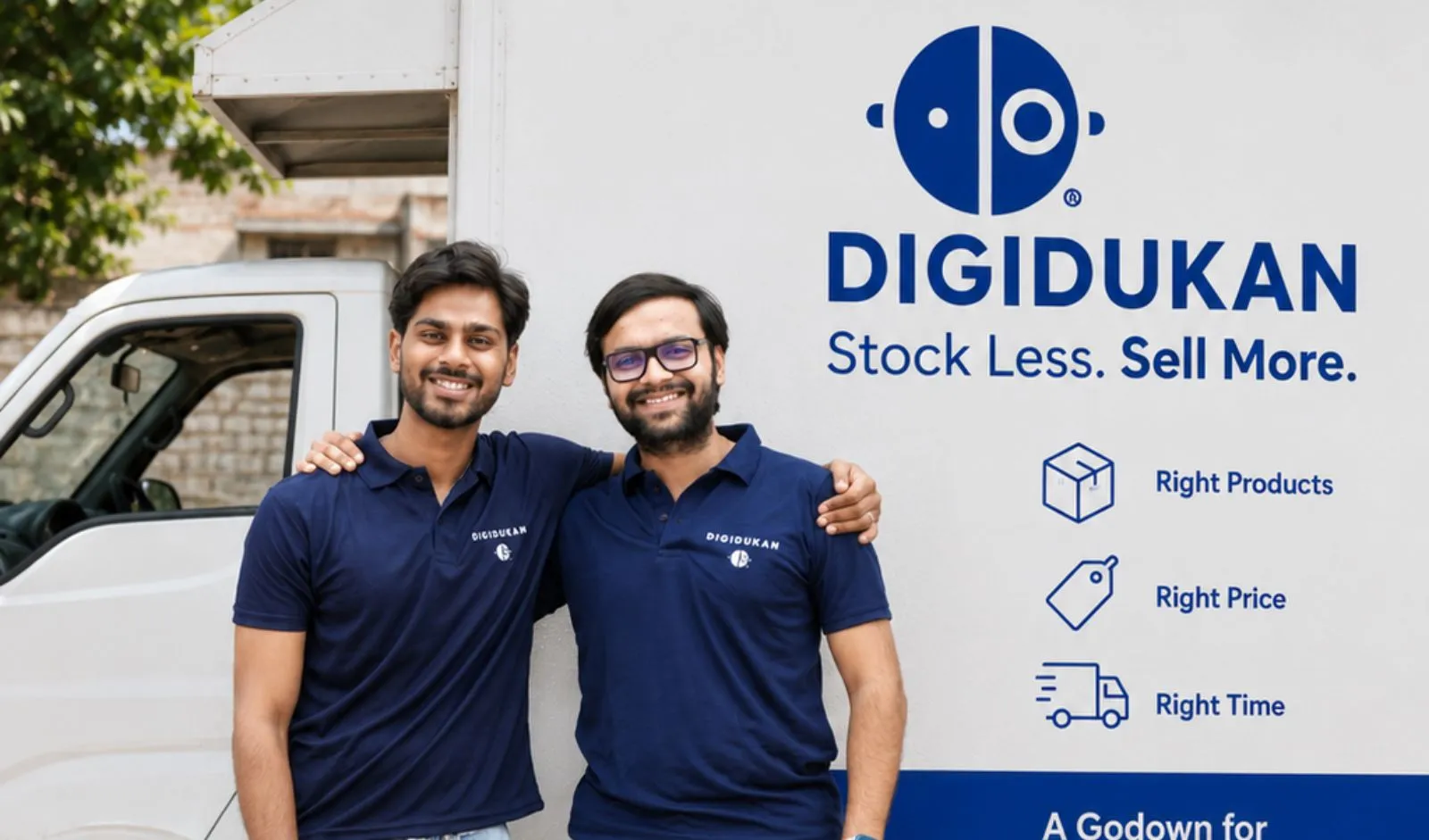
The angel backing from United Plywood's directors is notable for its strategic, rather than purely financial, character. Plywood and building-material manufacturers investing directly in digital distribution platforms suggests an industry increasingly willing to back the technology layer that could reshape how its products reach smaller retailers, rather than treating e-commerce disruption purely as a competitive threat.
DigiDukan's growth also fits into a broader pattern in Indian venture investing through 2026: capital increasingly following businesses that combine defensible, unglamorous logistics execution with genuine repeat usage, rather than purely software-margin consumer plays. B2B quick commerce in categories such as construction materials, industrial supplies and food-service inputs has drawn growing investor interest precisely because these categories combine large addressable transaction volumes with the kind of operational moat — regional warehousing, delivery fleets, supplier relationships — that is harder for well-capitalised horizontal players to replicate quickly.
Founders in the sector generally point to two key risks: the capital intensity of maintaining hyperlocal warehousing and delivery fleets at the density required for genuine 60-minute service, and the challenge of sustaining service-level promises as order volumes scale beyond a company's initial city or cluster of operations.
DigiDukan has not disclosed its post-money valuation following the angel round, nor detailed plans for expansion beyond Jaipur. As with many early-stage B2B logistics plays in India, the coming quarters — rather than the funding announcement itself — will determine whether the company's early GMV growth and repeat-customer metrics translate into a durable, scalable business.