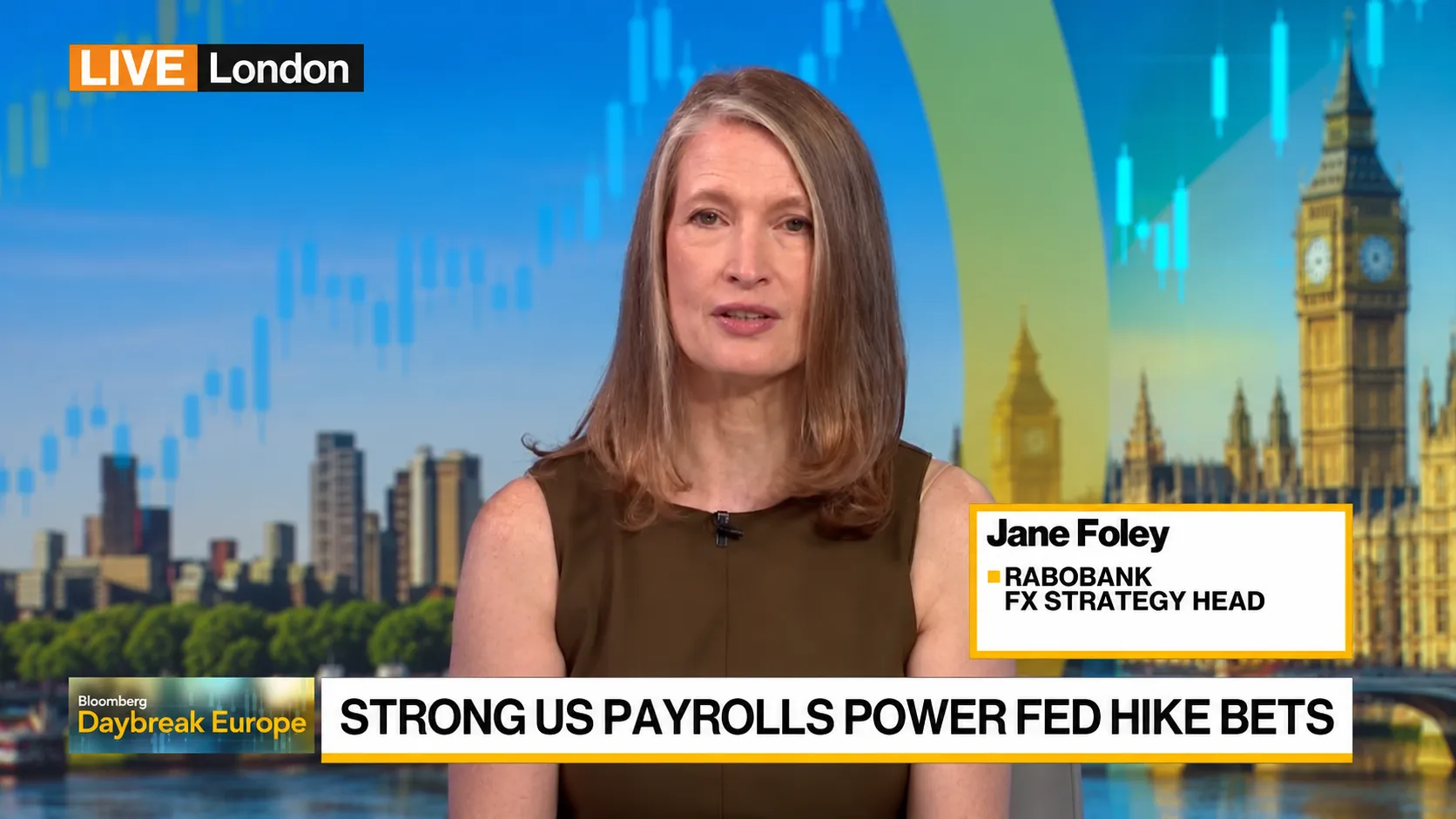
Jane Foley, head of FX strategy at Rabobank, has pointed to weakening confidence in the U.S. dollar following stronger-than-expected payrolls data, according to commentary published September 7, 2026. The observation highlights a counterintuitive dynamic in currency markets: robust labour-market data, which might typically be expected to support the dollar by reinforcing expectations of resilient U.S. economic growth, has instead coincided with a softer tone in dollar sentiment.
Currency strategists have increasingly noted that the relationship between strong U.S. economic data and dollar strength has become less straightforward in the current cycle, as markets weigh a wider range of factors including the trajectory of Federal Reserve policy, fiscal sustainability concerns, and shifting global capital-allocation patterns among major central banks and sovereign investors. Strong payrolls data, rather than simply reinforcing dollar strength, can in some contexts raise questions about how the Federal Reserve will balance persistent labour-market tightness against its broader inflation-control mandate, introducing policy uncertainty that can weigh on currency sentiment even amid ostensibly positive economic data.
The dollar's wavering confidence also arrives alongside a broader risk-off shift in global markets driven by the reported Houthi strike on Saudi Aramco refining infrastructure, which has pushed oil prices higher and introduced fresh geopolitical uncertainty. In periods of acute geopolitical stress, the dollar has traditionally benefited from safe-haven flows; the fact that confidence appears to be softening even amid rising global risk suggests currency markets may be weighing dollar-specific concerns — potentially including fiscal or policy-related factors — more heavily than the traditional safe-haven dynamic in the current environment.
For global investors and corporates managing currency exposure, a period of wavering dollar confidence amid otherwise strong U.S. economic data adds a layer of complexity to hedging and positioning decisions. Whether this represents a temporary crosscurrent or the beginning of a more sustained shift in dollar sentiment will likely become clearer as markets digest further data releases and any additional signals from Federal Reserve policymakers in the weeks ahead.