FundingAnalysis6 MIN READ

Knot or De Cos? Four Scenarios Map the Race to Succeed Lagarde at the European Central Bank

Isabel Schnabel's resignation has triggered a scramble for top European Central Bank posts. Klaas Knot and Pablo Hernández de Cos lead the field for president, but Franco-German politics, national balance and a commitment to gender representation will shape the outcome.

By Shaym Kumar · Author28 September 2026New
Knot or De Cos? Four Scenarios Map the Race to Succeed Lagarde at the European Central Bank

ChatGPT Image Sep 28, 2026, 10_30_43 AM.png

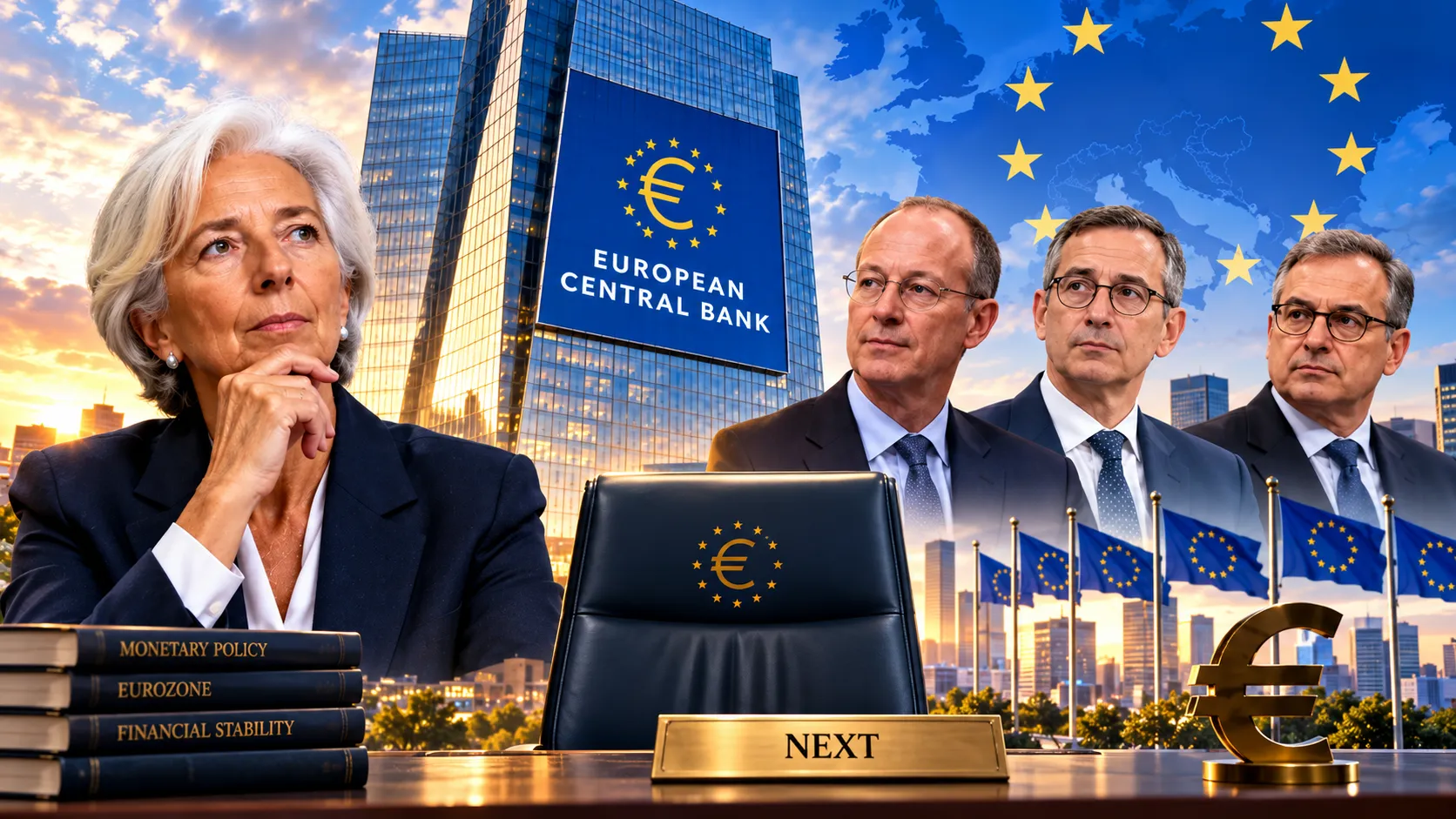
The contest to lead the European Central Bank has begun in earnest. The resignation of Isabel Schnabel from the ECB's Executive Board has triggered negotiations among European capitals over a set of top jobs at the central bank, including, eventually, the presidency held by Christine Lagarde. A Bloomberg analysis published by Business Standard on 27 September set out four scenarios for how the succession could unfold, with two candidates leading the field: Klaas Knot of the Netherlands and Pablo Hernández de Cos of Spain.

The outcome matters well beyond Frankfurt. The ECB sets interest rates for the 21 countries that share the euro, and it has just raised rates in September alongside the Federal Reserve and the Bank of Japan, in response to energy-driven inflation. The person who leads it will shape how Europe navigates higher energy costs, rising government debt and intensifying industrial competition from China.

The leading contenders

Klaas Knot is a former president of the Dutch central bank, a former chair of the Financial Stability Board, and the longest-serving member of the ECB's Governing Council. He is widely regarded as an experienced and technically strong central banker, historically associated with the more hawkish wing of the council, though he has taken a pragmatic line in recent years.

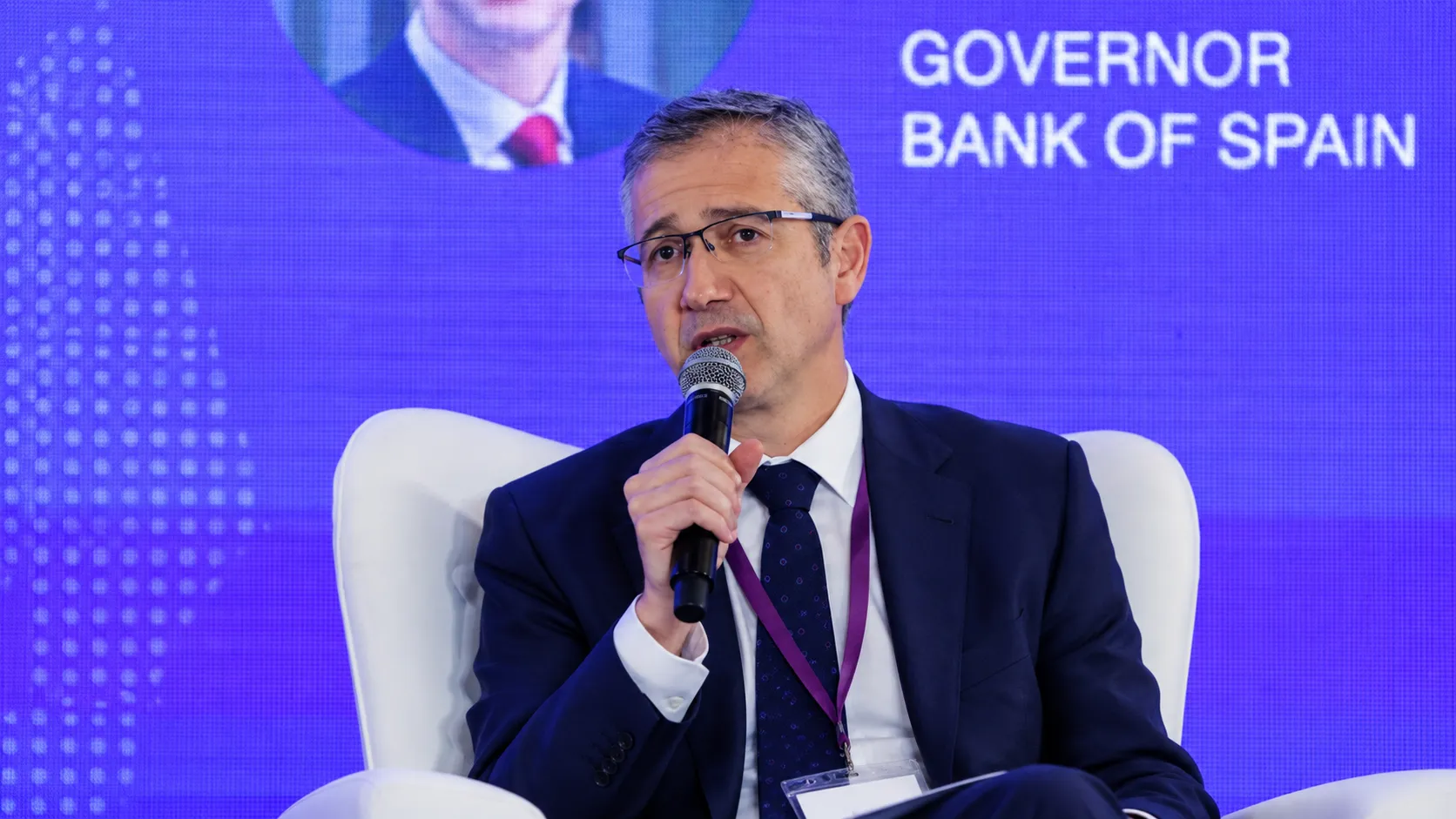
Pablo Hernández de Cos is general manager of the Bank for International Settlements, the Basel-based organisation often described as the central bank for central banks, and a former governor of the Bank of Spain. If chosen, he would be the first Spaniard to lead the ECB. He is respected for his work on banking regulation and financial stability, including as chair of the Basel Committee on Banking Supervision.

The rules of the game

According to the analysis, three principles are likely to govern the negotiations. France and Germany, the eurozone's two largest economies, must agree on the outcome. Major countries expect representation on the six-member Executive Board. And at least one of the top positions should go to a woman, a commitment that reflects growing pressure for gender balance in European institutions, which have historically been dominated by men.

These constraints mean that the presidency cannot be decided in isolation. The choice of president affects who can become chief economist, a post currently held by Philip Lane, and who takes other key portfolios such as market operations.

Four scenarios

In the first scenario, Knot becomes president. That would require the backing of German Chancellor Friedrich Merz. France would probably secure the chief economist role in return. Because two Dutch members on the Executive Board would be politically untenable, Frank Elderson, the Dutch board member, would need to step down. Germany might then claim the markets portfolio.

In the second scenario, de Cos becomes president. This would allow either France or Germany to take the chief economist position. Berlin might win that post if concerns arose about two countries with high public debt levels leading the institution. Under this scenario, Bundesbank President Joachim Nagel could succeed de Cos at the Bank for International Settlements.

The third and fourth scenarios involve compromise candidates emerging from a stalemate. Names mentioned include Nadia Calviño, president of the European Investment Bank and a former Spanish finance minister; François Villeroy de Galhau, former governor of the Bank of France; and Olli Rehn, a former European Commissioner. Other French candidates who could figure in the broader reshuffle include Laurence Boone, former chief economist of the OECD, and Agnès Bénassy-Quéré, deputy governor of the Bank of France.


“The next ECB president will be chosen in European capitals as much as in Frankfurt, and the bargaining over one job will decide several others.”
— TIGI Analysis

The politics behind the choice

European Central Bank appointments are formally made by EU leaders, but they are, in practice, the product of intense bargaining among national governments. French President Emmanuel Macron wants representation for French candidates, while Merz represents German interests, and Spanish Prime Minister Pedro Sánchez's government is pressing de Cos's case. France's presidential election next spring, in which the far-right National Rally's Marine Le Pen has led opinion polls, adds a layer of uncertainty to Paris's position.

History suggests surprises are possible. Lagarde herself emerged as a candidate almost out of nowhere in 2019, during an impasse over a broader package of EU top jobs. A lawyer and former finance minister rather than a career central banker, she was not on most shortlists until the final negotiations.

Women at the top

The commitment to appoint at least one woman to a top position is significant. Lagarde is the first woman to lead the ECB, and Schnabel, whose resignation triggered the current negotiations, was one of its most influential policymakers, known for her work on monetary policy strategy. Their departures could reduce female representation at the top of the institution unless the new appointments address it. Calviño, Boone and Bénassy-Quéré are among the women whose names have been discussed, and the gender commitment could shape which candidates emerge from compromise talks.

Why markets care

For investors, the identity of the next ECB president matters because it signals the likely balance between fighting inflation and supporting growth. A president perceived as hawkish might be expected to keep rates higher for longer. One seen as more attentive to growth and financial stability might be quicker to ease if the economy weakens. Given the fragility of Europe's industrial base, highlighted by an ECB study last week showing how Chinese competition is squeezing German manufacturers out of global markets, that balance is especially important.

Bond markets also watch for signals about the ECB's approach to highly indebted member states. The central bank's willingness to use its tools to prevent disorderly moves in government bond spreads, particularly for countries such as Italy and France, is a key factor in the stability of the eurozone. Concerns about having two highly indebted countries lead the ECB, in the de Cos scenario, reflect that sensitivity.

What it means for India and the world

For global markets, including India, the ECB is one of the three central banks, alongside the Fed and the Bank of Japan, whose decisions drive global capital flows. The euro is the world's second most important reserve currency, and European investors are significant holders of emerging-market assets. A smooth, credible succession would support stability; a protracted political fight could add to uncertainty at a time of elevated global risk.

The next ECB president will be chosen in European capitals as much as in Frankfurt, and the bargaining over one job will decide several others. Whether the outcome is Knot, de Cos or a compromise candidate, the negotiations over the coming months will reveal how Europe balances national interests, institutional credibility and its commitment to diversity at the top of one of the world's most powerful financial institutions.

TagsECBEuropean Central BankChristine LagardeKlaas KnotPablo Hernandez de CosIsabel SchnabelNadia CalvinoMonetary PolicyEurozoneCentral BankingWomen in LeadershipEurope

Reader reviews

Sign in to rate and review this article.
Loading reviews…