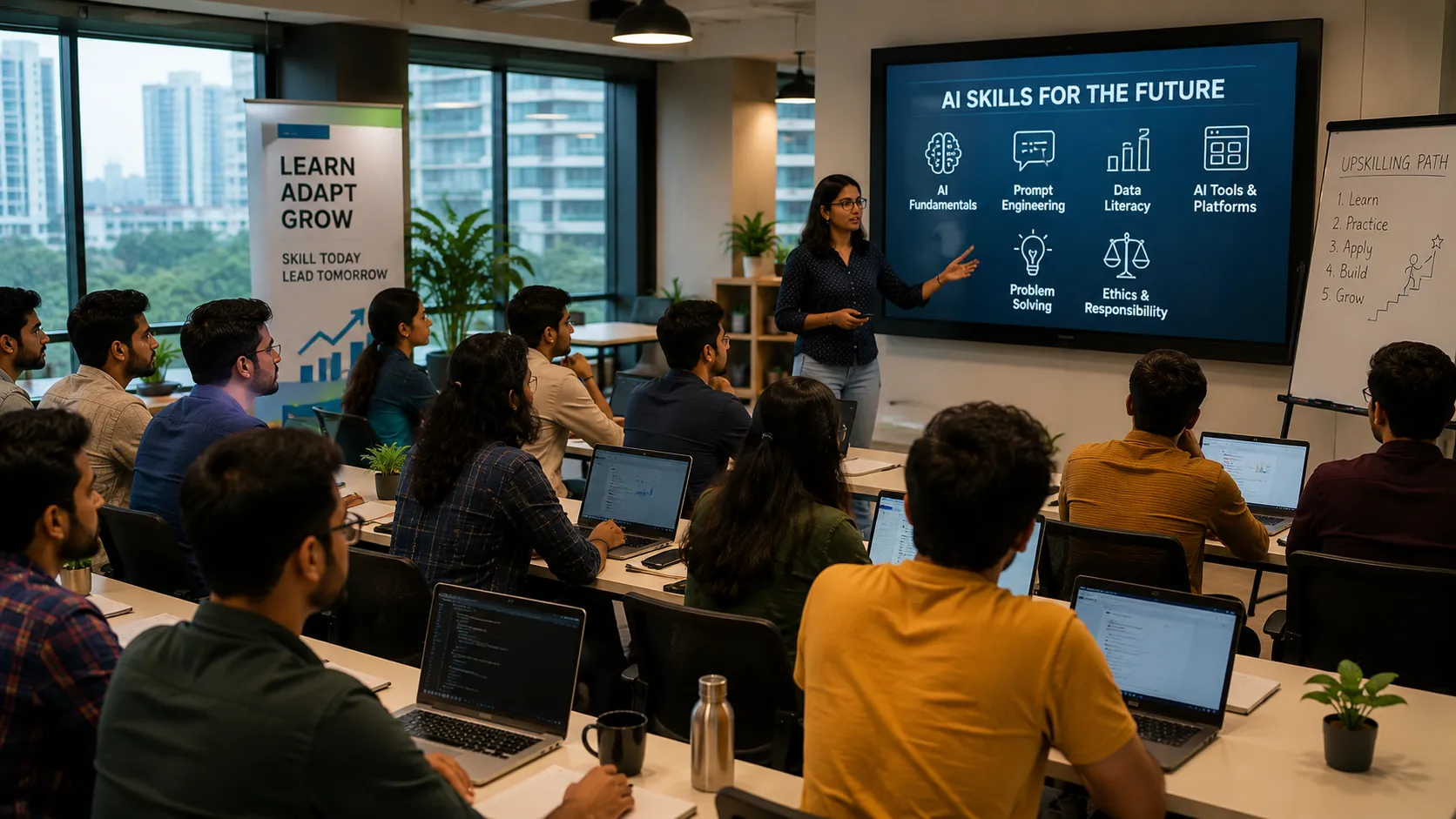
The Dallas-Fort Worth chapter of Ekal Vidyalaya Foundation USA has raised $222,000 to support the organisation's network of one-teacher schools and grassroots development programmes serving rural and tribal communities across India, continuing a fundraising tradition that has made the Texas diaspora community one of the more consistent American contributors to Ekal's decades-long rural-education mission. The figure, raised through a community gala and associated giving campaign, will be channelled toward the foundation's core model of establishing basic educational access in villages that formal government schooling infrastructure has historically struggled to reach.
Ekal Vidyalaya's foundational approach centres on deploying a single, locally recruited teacher to run a school serving roughly the school-age children of one village, an intentionally low-cost, high-reach model designed to bring basic literacy, numeracy and health awareness to India's most remote and historically underserved rural and tribal, or Adivasi, populations. Rather than constructing large, centralised school buildings, the model relies on modest local infrastructure — often a single room or open community space — paired with a teacher drawn from the same village or a nearby community, an approach designed to keep both operating costs and cultural distance to a minimum.
The organisation has expanded considerably since its founding, evolving from a narrowly education-focused initiative into a broader rural-development platform incorporating digital literacy training, basic healthcare awareness, skill-development programming for young adults, and community-organising support, all delivered through the same village-level network its one-teacher school model originally established. This expansion reflects an increasingly common pattern among mature Indian-diaspora philanthropic organisations, which have progressively broadened their founding mission as their operational infrastructure and donor bases have matured.
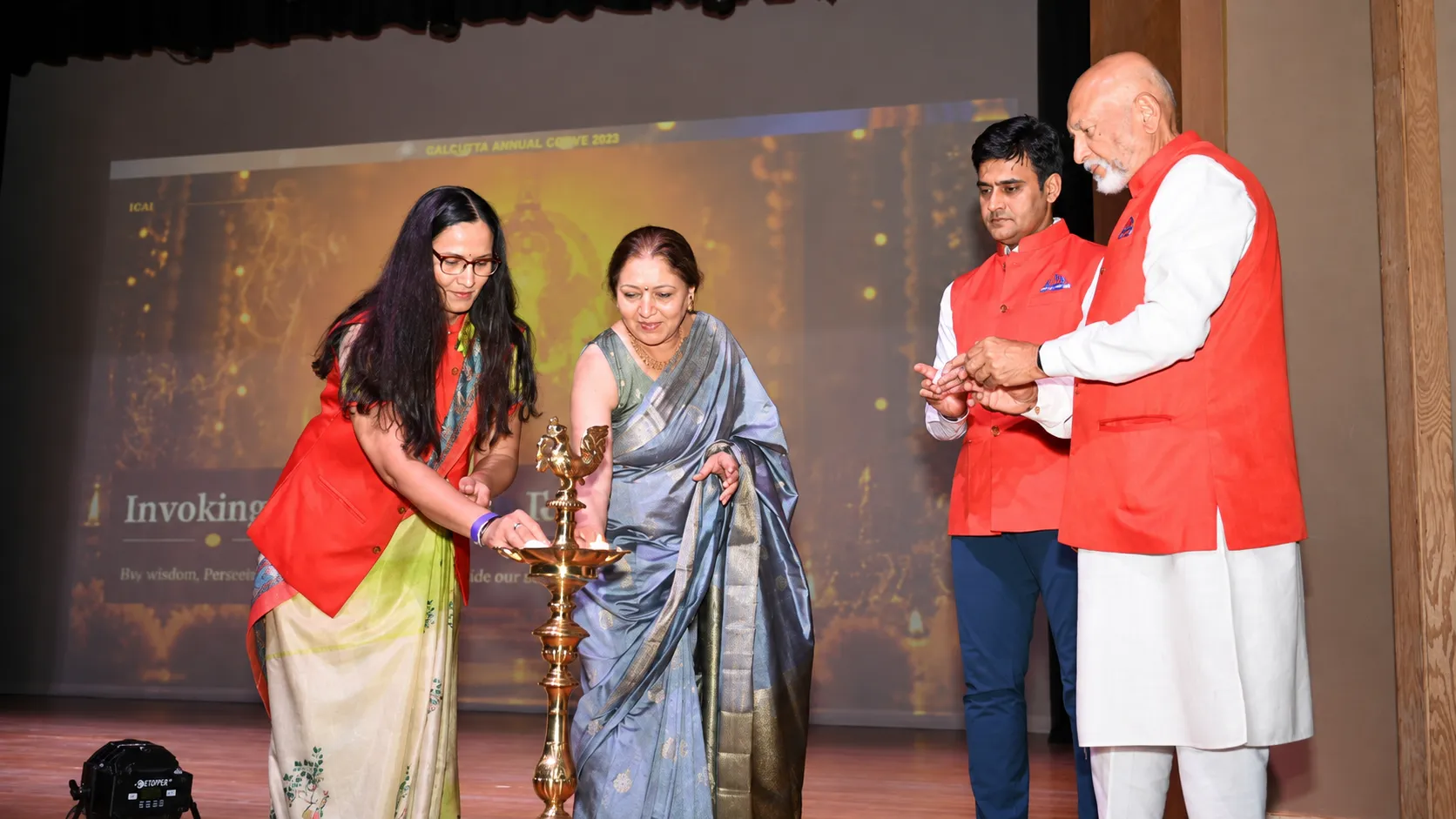
For the Indian-American community in North Texas, the Dallas-Fort Worth metroplex has emerged as one of the more concentrated and economically established hubs of the broader US Indian diaspora, driven substantially by the region's technology, healthcare and corporate-services employment base. Ekal's DFW chapter draws on this community's fundraising capacity through an annual gala format that has become a recurring fixture within the local Indian-American philanthropic and social calendar, combining cultural programming with direct fundraising appeals tied to specific, measurable outcomes within Ekal's rural-school network.
India's rural and tribal populations continue to face measurably lower educational attainment and school-completion rates relative to urban India, a gap that successive government initiatives have worked to narrow but have not fully closed, particularly across geographically remote and economically marginalised tribal-belt regions spanning central and eastern India. Organisations like Ekal have positioned themselves as a complementary, rather than competing, layer alongside government education infrastructure, focused specifically on the hardest-to-reach communities where formal school infrastructure remains thinnest.
The diaspora-philanthropy model that Ekal exemplifies — American-based fundraising chapters channelling donor capital toward grassroots Indian development programming — has matured considerably over the past two decades, moving from largely informal, community-driven giving toward increasingly structured, outcomes-tracked philanthropic operations capable of satisfying the due-diligence expectations of larger institutional and family-office donors. This maturation has, in turn, expanded the pool of capital available to organisations like Ekal beyond grassroots community fundraising alone.