
India's rapid economic transformation over the past five years, underpinned by large-scale infrastructure development, an expanding manufacturing base and sustained investment in technology and logistics, is creating substantial fresh opportunities for businesses based outside the country, including a growing number of UAE-headquartered investment, construction and technology firms, according to a detailed feature published this week.
The analysis positions the current moment as a significant inflection point in India-UAE economic ties, coinciding with what has become a marked expansion in bilateral investment, business formation and construction-sector collaboration between the two countries over recent years.
The feature situates India's current infrastructure expansion within a longer-term national development strategy that has, over successive budget cycles, consistently prioritised capital expenditure on transportation, energy and industrial infrastructure as a mechanism for sustaining the country's growth trajectory.
India's growth trajectory has been characterised by sustained investment across highways, ports, urban transit systems and industrial corridors, alongside a parallel push to strengthen the country's domestic manufacturing base through policy incentives designed to attract both foreign and domestic capital into sectors ranging from electronics to renewable energy equipment. For UAE-based investors and construction firms, this scale of sustained public and private capital expenditure represents a rare combination of scale, policy stability and long runway that has become increasingly difficult to find in other emerging markets.
The changes underway in India are also creating opportunities specifically for businesses outside the country's borders that can supply capital, expertise or specialised construction and engineering capacity that domestic firms may not yet possess at the required scale. UAE-based investment funds, sovereign wealth vehicles and private construction conglomerates have each, in different ways, sought to position themselves to participate in India's infrastructure expansion, whether through direct project investment, joint ventures with Indian construction majors, or the provision of specialised engineering and project management expertise.
UAE sovereign wealth funds and major private construction conglomerates have each pursued distinct but complementary strategies for participating in India's infrastructure growth story, ranging from direct equity stakes in Indian infrastructure asset portfolios to joint venture partnerships with domestic construction majors on specific large-scale projects spanning highways, ports and urban transit systems.
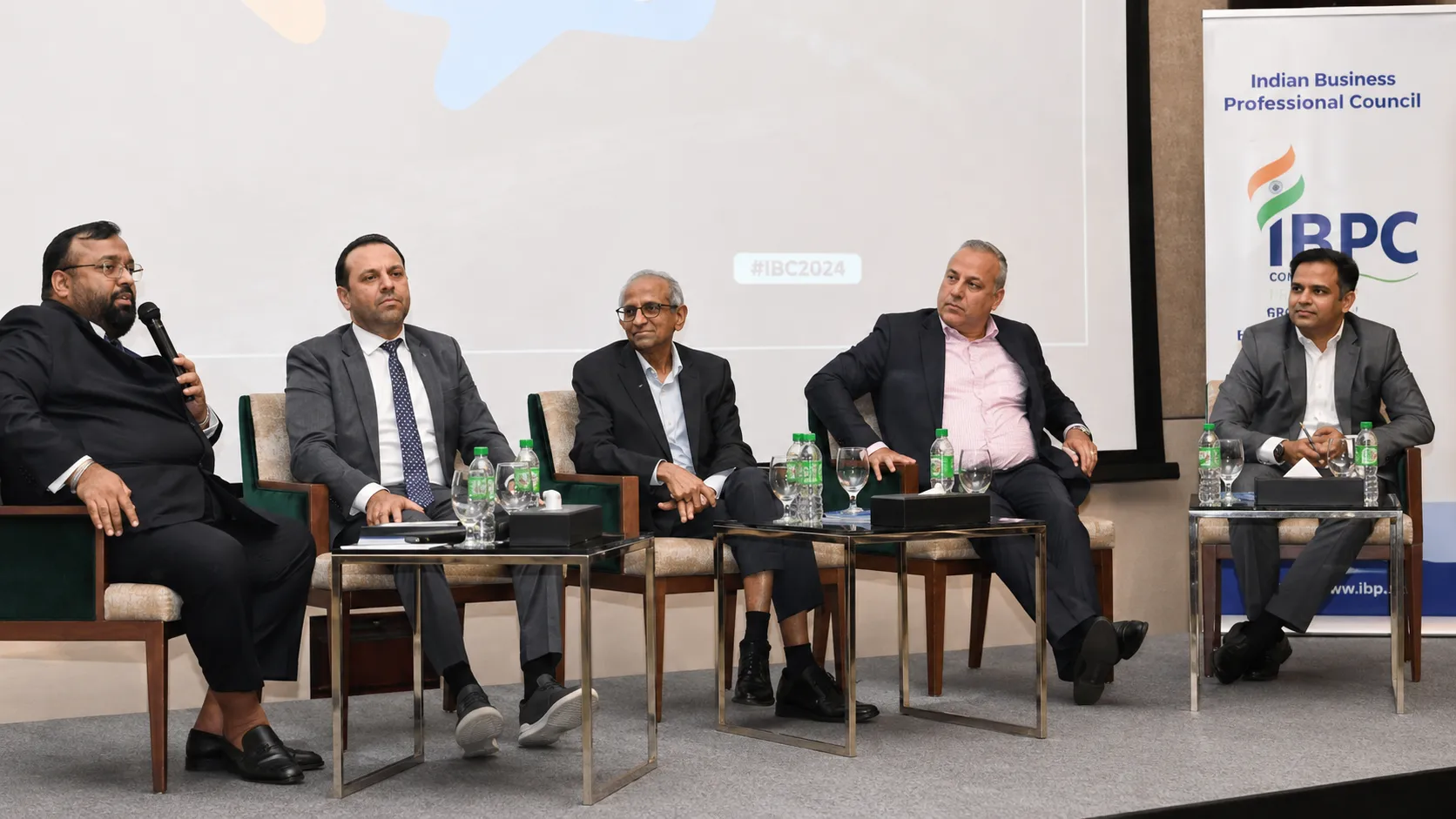
The manufacturing dimension of India's growth story has attracted particular UAE investor interest, with the country's policy incentives aimed at strengthening domestic production capacity across electronics, renewable energy equipment and other strategic sectors creating openings for UAE capital seeking exposure to India's industrial expansion alongside its more traditionally recognised services and technology sector growth.
This dynamic has coincided with a significant broader expansion in India-UAE economic ties, spanning investment flows in both directions, business formation activity, and an increasingly dense network of professional and institutional relationships connecting the two countries' business communities. Indian entrepreneurs and executives based in the UAE have often served as informal but highly effective bridges in this process, possessing the cultural fluency, professional networks and market knowledge needed to help UAE capital navigate India's regulatory environment while simultaneously helping Indian companies understand UAE market dynamics.
Construction and infrastructure specifically have emerged as sectors where this bilateral collaboration has proven particularly productive, with UAE-based firms bringing decades of experience executing large-scale, technically demanding projects across the Gulf region's own rapid infrastructure build-out, expertise that translates readily to India's current development priorities. Indian construction and engineering firms, meanwhile, have increasingly sought UAE partnerships both for capital access and for exposure to international project management standards and technologies that can strengthen their own domestic and export capabilities.
Beyond construction, the feature highlights growing UAE interest in India's broader industrial and technology ecosystem, framing the country's expanding manufacturing base, digital infrastructure investment and logistics sector modernisation as complementary opportunities for UAE capital seeking diversified exposure to one of the world's fastest-growing major economies. This broader framing reflects a shift in how UAE-based investors increasingly view India: not merely as a source of skilled labour and remittance-generating migration, but as a genuine investment destination in its own right, deserving of the same strategic capital allocation attention historically reserved for more established Western and Asian markets.
Logistics and supply chain infrastructure modernisation represents a further area of growing bilateral interest, as India's efforts to reduce logistics costs and improve supply chain efficiency, historically identified as a significant competitiveness constraint relative to other manufacturing hubs, create opportunities for UAE-based logistics and port operators with relevant regional experience.
The feature also notes that this expanding investment relationship operates within a broader context of strengthening India-UAE bilateral trade, which has continued to grow even as global trade conditions have remained volatile, reflecting what analysts describe as a structurally resilient economic partnership less exposed to the cyclical fluctuations affecting some other bilateral trade relationships.
As both economies continue pursuing complementary growth strategies — India building out physical and digital infrastructure at an unprecedented pace, and the UAE seeking to deploy its substantial capital reserves into high-growth, diversified opportunities — the construction, investment and technology corridor between the two countries appears positioned for continued expansion over the coming years, driven as much by structural economic complementarity as by the deepening diplomatic relationship underpinning it.
As India's infrastructure and manufacturing expansion continues over the coming years, UAE-based investment, construction and logistics firms with the patience and expertise to navigate the country's regulatory and operational complexity appear well positioned to capture a meaningful share of what remains one of the world's largest ongoing infrastructure investment programmes.
Project financing structures for India's infrastructure expansion have also evolved considerably, with a growing share of large projects now utilising blended public-private financing models that create natural entry points for international institutional investors, including UAE-based sovereign wealth funds seeking long-duration, inflation-linked infrastructure returns.
Skills transfer has emerged as an underappreciated dimension of this investment relationship, with UAE construction and engineering firms increasingly training Indian project teams on international standards and technologies, capacity building that Indian construction companies say strengthens their competitiveness on export projects well beyond the immediate India-UAE corridor. Financing structures have also evolved, with blended public-private models creating natural entry points for UAE sovereign capital seeking long-duration infrastructure returns.


