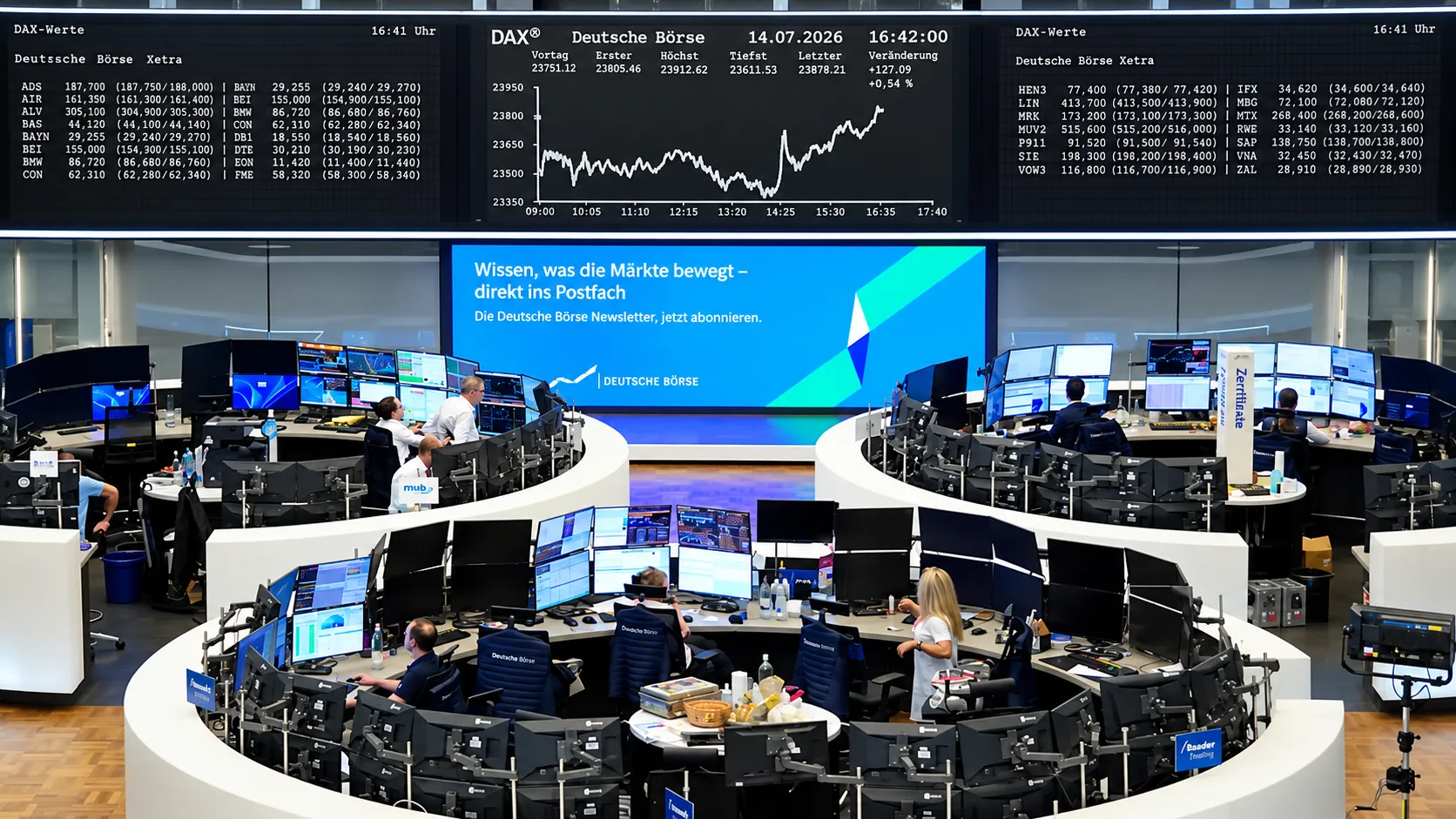
European equity markets opened the trading week lower on September 7, 2026, with the pan-European Stoxx 600 benchmark down close to 0.1 percent shortly after 8:10 a.m. in London. Most regional sectors traded in negative territory as investors absorbed renewed geopolitical risk following reports of a Houthi strike on a Saudi Aramco refinery, though the overall market move remained relatively contained compared with the sharper reactions seen in oil markets themselves.
Major continental bourses showed a mixed picture beneath the headline Stoxx 600 decline, reflecting varying degrees of sector exposure to the energy-price shock and broader risk-off sentiment across different national markets. Oil and gas stocks stood out as a notable exception to the broader decline, posting early gains as investors rotated into energy-sector equities positioned to benefit directly from higher crude prices — a pattern commonly observed during geopolitically driven oil-price spikes, where energy companies' near-term earnings outlook improves even as the broader market grows more cautious.
The muted but broad-based decline across most other sectors reflects the kind of defensive repositioning typical of European markets during periods of Middle East-related uncertainty, where investors tend to trim exposure to cyclical and rate-sensitive sectors while awaiting greater clarity on both the scale of the reported refinery incident and any broader escalation risk. European markets have historically shown particular sensitivity to Middle East energy-supply disruptions, given the region's continued, if diminishing, reliance on imported oil and gas relative to more energy-independent economies elsewhere.
With energy markets remaining the dominant driver of sentiment, European equities are likely to stay sensitive to further developments around the reported Saudi Aramco incident in the sessions ahead. The relatively contained magnitude of Monday's decline compared with the sharper crude-price reaction suggests equity investors are, for now, treating the incident as a risk to monitor rather than an immediate cause for broader portfolio repositioning.