FundingLatest Deals7 MIN READ

Excelsior Energy Capital and Enel Complete $760 Million Solar Deal Backing Meta's Clean Power Push

Excelsior Energy Capital and Enel have completed a $760 million transaction covering two large operating solar plants totalling 810 MW DC, including capacity contracted to offset Meta's electricity use under a long-term utility agreement.

By Nisha Omkumar · Author12 September 2026New
Excelsior Energy Capital and Enel Complete $760 Million Solar Deal Backing Meta's Clean Power Push

Minnesota-based Excelsior Energy Capital and global energy group Enel have completed a $760 million transaction covering two large operating solar plants with a combined capacity of 810 megawatts DC, in one of the more significant renewable-infrastructure asset sales confirmed this month. The deal closed on September 11 and sees Enel acquire the plants from Excelsior, with a related 205-megawatt wind facility included in the broader portfolio expected to change hands later in 2026.

The larger of the two solar assets, the 682-megawatt DC Faraday plant in Utah County, Utah, reached commercial operation in September 2025 and operates under a twenty-year power purchase agreement with PacifiCorp, structured through Rocky Mountain Power's Schedule 34 green energy tariff. Under that arrangement, the electricity generated at Faraday is purchased to offset Meta's energy usage within Rocky Mountain Power's service territory — tying the asset directly to the technology sector's accelerating demand for verifiably clean power to run data centres and AI infrastructure.

The transaction illustrates a financing pattern that has become increasingly central to the renewable energy sector's growth: independent developers such as Excelsior build and stabilise generation assets, secure long-term offtake agreements with credit-worthy counterparties, and then sell the operating assets to larger strategic buyers such as Enel who can hold them at scale within diversified global portfolios. That model allows developers to recycle capital into new projects rather than holding assets on their balance sheets for decades, while giving buyers like Enel immediate access to contracted, cash-generating infrastructure without development-stage risk.

In a statement, Excelsior Energy Capital described the sale as an important milestone, noting that it reflects the firm's continued progress in realising value and returning capital to its investors, and that it underscores the strength of contracted renewable infrastructure built around long-term power purchase agreements with strong counterparties. The characterisation points to a broader theme across the renewables financing market in 2026: investors increasingly reward projects anchored to durable, high-credit-quality offtake contracts over speculative merchant-market generation.
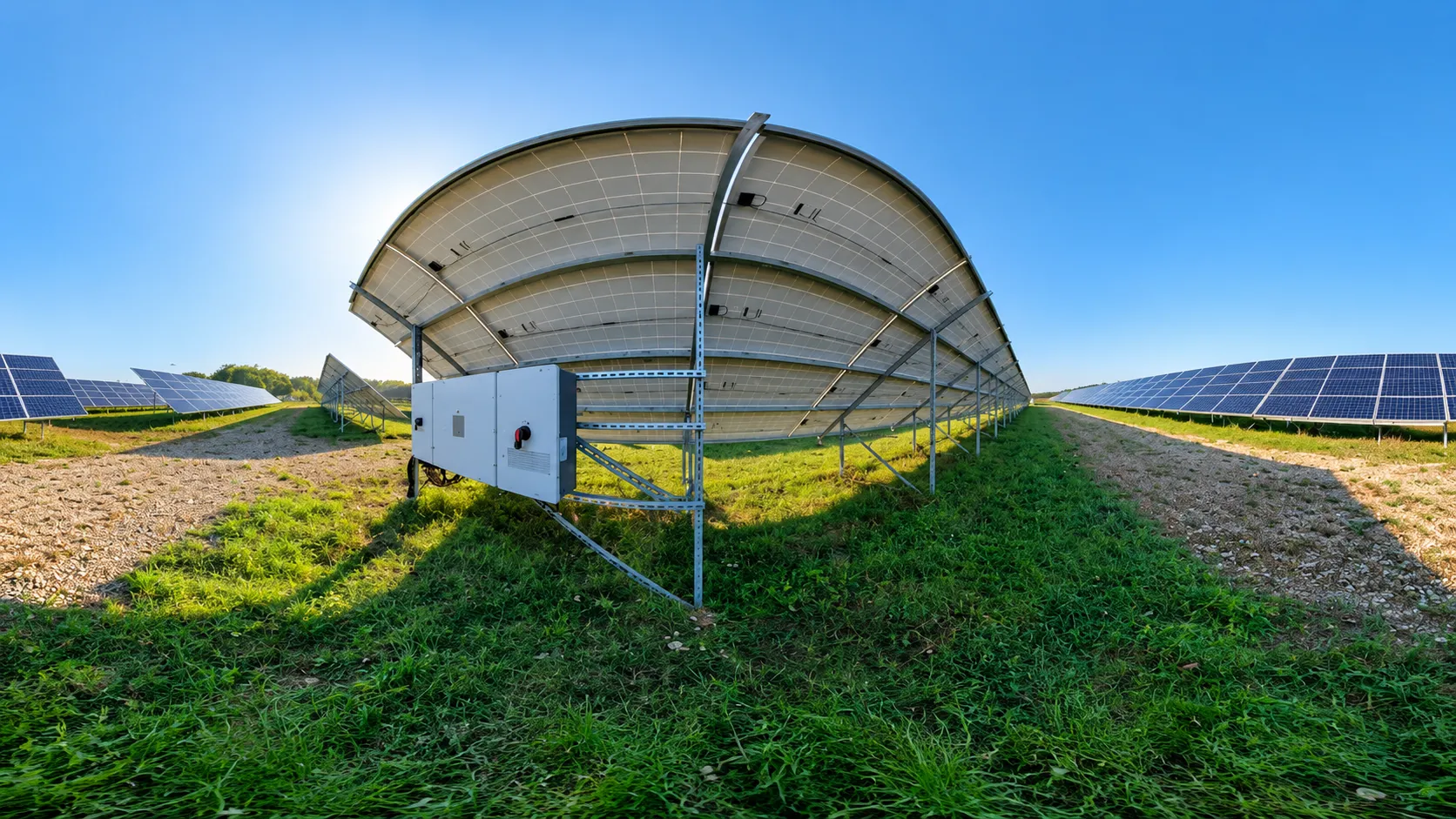

The sale of Faraday and Skyhawk marks an important milestone for Excelsior... it underscores the strength of contracted renewable infrastructure built around long-term power purchase agreements.
Excelsior Energy Capital
image.png

The link to Meta's energy strategy is notable given the scale of clean-power procurement now underway across the technology sector. As hyperscale data centre operators race to meet surging electricity demand driven by AI workloads, companies including Meta, Google, Microsoft and Amazon have signed a wave of long-term renewable power agreements over the past two years, often financing new generation capacity indirectly through exactly this kind of tariff-based offtake structure rather than building or owning generation assets themselves.

For Enel, the acquisition adds contracted, revenue-generating solar capacity to a global renewables portfolio that spans dozens of countries, consistent with the Italian energy major's strategy of consolidating operating assets in mature, policy-stable markets such as the United States. The pending addition of the 205-megawatt wind facility later in the year would further diversify the acquired portfolio's generation profile, reducing reliance on solar-only output and its associated intermittency patterns.

The deal comes at a moment when renewable energy investment globally is reorienting away from standalone generation projects toward integrated portfolios that combine generation, storage and long-term contracted revenue — a shift driven partly by rising financing costs and partly by buyer demand for de-risked, cash-flowing assets rather than early-stage development pipelines. Analysts tracking the US solar market have noted that transactions structured around hyperscale data-centre offtake, as with the Faraday plant, are increasingly commanding premium valuations relative to merchant or utility-only contracted assets.

Neither Excelsior nor Enel disclosed the specific allocation of proceeds within the $760 million transaction between the two solar assets, nor commented on pricing implications for the pending wind-facility sale. The completed deal nonetheless stands as one of the larger contracted-solar portfolio transactions of the year, and a clear marker of how closely renewable energy financing has become intertwined with the infrastructure needs of the AI-driven technology sector.

TagsExcelsior Energy CapitalEnelSolar EnergyRenewable InfrastructureMetaUtahClean Energy Deal

Reader reviews

Sign in to rate and review this article.
Loading reviews…