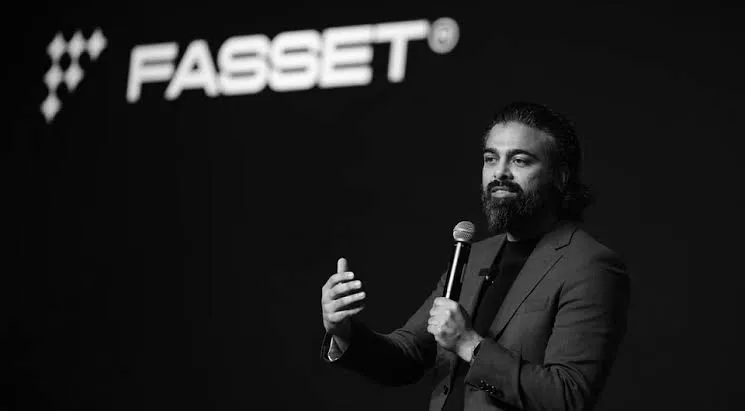
Fasset, the Dubai-based fintech company, has crossed a $1 billion valuation following a $68 million Series C round led by SBI Group, becoming the latest entrant to the global unicorn club. The round, reported on August 25, 2026, comes roughly four months after Fasset's $51 million Series B, bringing the company's total fundraising for 2026 to $119 million.
The pace of Fasset's progression -- from a $51 million Series B to unicorn-status Series C within a single four-month window -- is unusually rapid even by the standards of well-funded fintech startups, and reflects the intensity of investor competition currently surrounding companies positioned at the intersection of stablecoins and AI-driven financial infrastructure.
Fasset runs an agentic AI layer over what it describes as its Own Network, supporting corridor banking, stablecoin settlement and tokenized-asset infrastructure for businesses operating across multiple currencies and jurisdictions. The company says its platform now processes more than $40 billion in annualized transaction volume across over 3 million wallets and more than 1,000 enterprises spanning 125 countries -- a scale that places it among the more significant players in the fast-growing intersection of stablecoins and AI-driven financial infrastructure.
Corridor banking, the practice of facilitating settlement along specific cross-border payment routes rather than building a single global settlement network, has emerged as a common strategic approach among stablecoin infrastructure providers, allowing companies to concentrate technical and regulatory resources on the currency pairs and jurisdictions where cross-border payment friction -- and therefore commercial demand for faster, cheaper settlement -- is greatest.
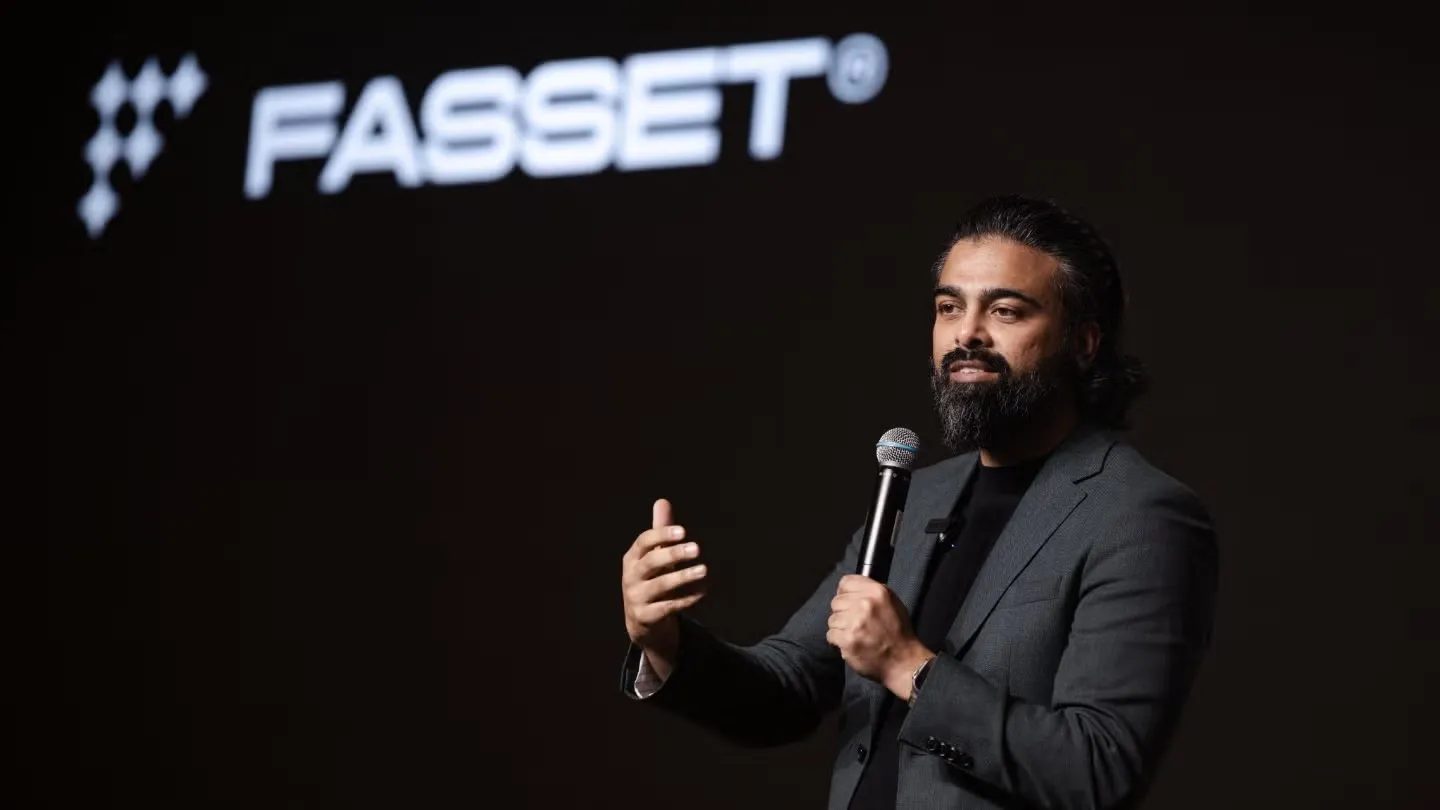
The involvement of SBI Group, the Japanese financial services conglomerate, as lead investor lends institutional credibility to a fintech category that has historically operated at the edges of traditional banking relationships. Stablecoin-based settlement infrastructure has drawn increasing interest from both regulators and mainstream financial institutions over the past two years, as regulatory clarity has improved in several major markets and enterprise demand for faster, lower-cost cross-border settlement has grown.
SBI Group has built a substantial track record of early-stage investment in blockchain and digital asset infrastructure companies across Asia and the Middle East, and its decision to lead Fasset's round is likely to be read by the broader market as a signal of growing mainstream financial institution comfort with stablecoin-based settlement models that were, until relatively recently, viewed with considerable regulatory caution.
Fasset's rapid progression from a $51 million Series B to a unicorn-status Series C within four months illustrates the pace at which capital has been flowing into AI-adjacent fintech infrastructure companies through 2026. As stablecoin adoption continues to expand among businesses seeking alternatives to traditional correspondent banking networks, Fasset's growth will be closely watched as a bellwether for how quickly this category can scale toward mainstream enterprise adoption.
Traditional correspondent banking networks, which typically involve multiple intermediary banks and can take several days to settle cross-border transactions, have long been criticised by businesses operating internationally for their cost and speed limitations -- friction points that stablecoin-based settlement platforms like Fasset's are explicitly designed to address, positioning the category as a direct competitive challenge to incumbent cross-border payment infrastructure.