FundingAnalysis5 MIN READ

Fed Minutes Show Almost All Officials See More Rate Hikes Ahead as Waller Floats a Half-Point Increase in December and Flags AI as an Inflation Risk

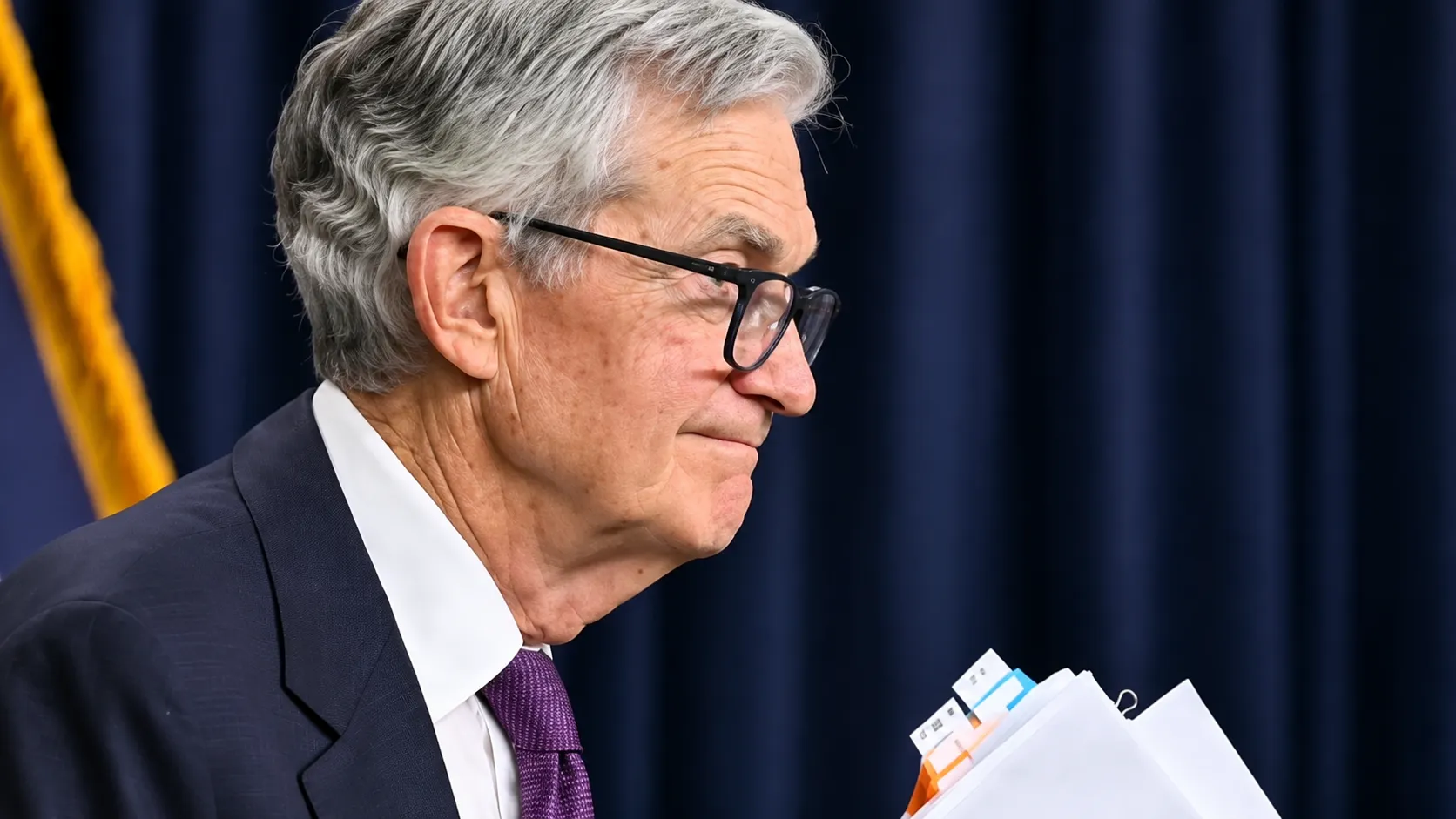
Minutes of the Federal Reserve's October meeting, released on November 18, showed almost all officials saw further rate increases as likely needed to bring inflation to 2%, and many flagged the AI infrastructure buildout as a significant inflation risk. The Fed held rates at 3.75% to 4.00% in a 10-2 vote, and Governor Christopher Waller said a half-point hike should be considered in December.

By Shaym Kumar · Author19 November 2026New
Fed Minutes Show Almost All Officials See More Rate Hikes Ahead as Waller Floats a Half-Point Increase in December and Flags AI as an Inflation Risk

The Federal Reserve is preparing markets for more tightening, and for the first time, the AI boom is being cited as one of the reasons.

Minutes of the Fed's October policy meeting, released on Wednesday, November 18, showed that almost all participants saw further interest rate increases as likely to be needed to bring inflation back to the 2% target in a timely way, according to TradingKey.

Officials voted 10 to 2 to keep the federal funds rate in a range of 3.75% to 4.00%. Governor Lisa Cook and Beth Hammack, president of the Cleveland Fed, dissented in favour of a quarter-point increase, according to TradingKey.

A bias towards bigger moves

Two participants raised the possibility of an increase larger than 25 basis points at the next meeting if inflation data disappoints, according to the minutes as summarised by TradingKey.

Governor Christopher Waller went further on Wednesday, advocating that the Fed consider a half-point increase at its December 8-9 meeting, or clearly signal further increases if it delivers only a quarter point. October consumer prices rose 0.4% from the previous month on a headline basis and 0.3% excluding food and energy, according to TradingKey.

AI as an inflation risk

One of the most striking elements of the minutes was that many participants flagged the buildout of AI infrastructure as a significant inflation risk.

The massive investment by technology companies in data centres, chips and power infrastructure is driving demand for electricity, construction, equipment and skilled labour. That demand can push up prices for energy, materials and wages, adding to inflationary pressures across the economy. Nvidia reported this week that demand for its AI chips far exceeds supply, underscoring the scale of spending.

AI has typically been discussed as a potential source of productivity gains that could eventually lower costs. The minutes suggest that, in the near term, Fed officials are more focused on the demand pressures created by the investment boom.

Why the Fed is raising rates

The Fed has shifted from cutting rates to raising them as inflation has re-accelerated, driven by factors including higher energy prices linked to conflict in the Middle East, tariffs and strong demand. Rate increases aim to slow borrowing and spending, reducing price pressures.

The prospect of further tightening has unsettled markets. On Wednesday, the Dow Jones Industrial Average fell 1.1%, and the US dollar rose to a 19-month high, according to Benzinga. Higher rates tend to weigh on stocks, particularly growth companies whose valuations depend on future earnings, and on interest-rate-sensitive sectors such as housing.

Market reaction

Traders have increasingly priced in a rate increase in December. Waller's comments raised the possibility of a larger move, which could push bond yields higher and strengthen the dollar further.

The minutes were released on the same day Anthropic priced the largest IPO on record and investors digested Nvidia's quarterly results, making for one of the most eventful days in markets this year.

Global implications

The Fed's policy affects economies and markets worldwide. Higher US interest rates and a stronger dollar can draw capital away from emerging markets, weaken their currencies and raise the cost of dollar-denominated debt. Central banks in other countries may feel pressure to raise their own rates to defend their currencies and contain imported inflation.
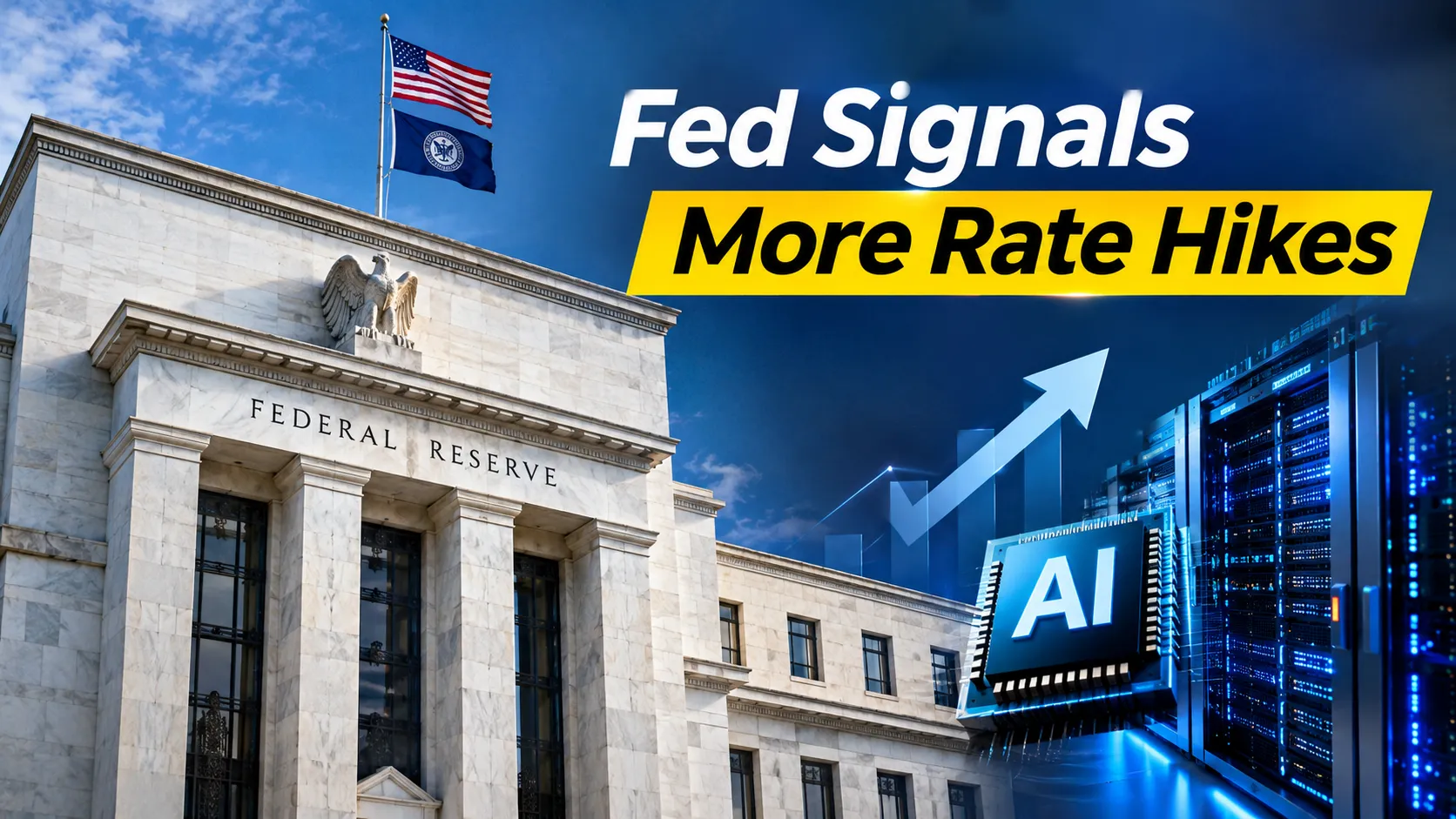

“The AI boom is no longer just a story about productivity; central bankers now see it as a source of inflation.”
— TIGI Markets Desk

Commodity prices, which are typically priced in dollars, can fall when the dollar strengthens. Metal stocks fell in India on Wednesday as a stronger dollar and expectations of further US rate increases weighed on global metal prices.

What it means for India

For India, the Fed's hawkish turn adds to a challenging environment. Retail inflation has risen above the Reserve Bank of India's tolerance band, and wholesale inflation reached 12.29% in October, the highest in the current series. Economists expect the RBI to raise interest rates at its December meeting.

Higher US rates could put pressure on the rupee and slow foreign investment flows, which have been strong in November. However, India has benefited from a rotation of global capital away from AI-heavy markets, and lower oil prices in recent weeks have eased some pressure.

For Indian students, families and businesses with dollar expenses or debts, a stronger dollar raises costs. For exporters and families receiving remittances from abroad, it can be beneficial.

The policy debate

The divisions within the Fed, with two officials voting for an immediate increase and others urging caution, reflect genuine uncertainty about the economy. Raising rates too slowly risks letting inflation become entrenched, while raising them too quickly could tip the economy into recession. The Fed must also weigh the effects of tariffs and energy prices, which are partly outside its control.

dd847eaa-7ccc-430c-8d05-3a1eacba12aa.png

The dissenters

Dissents at Fed meetings signal genuine disagreement among policymakers. Cook and Hammack's votes for an immediate increase in October suggested that some officials saw inflation risks as urgent. Such dissents often foreshadow future policy moves, as other officials may come to share their views if inflation data remains strong.

Markets pay close attention to the voting pattern and the language in the minutes to gauge the likely direction of policy.

Bond markets and borrowing costs

Expectations of higher rates push up Treasury yields, which in turn raise borrowing costs for mortgages, car loans and corporate debt. Higher yields also increase the cost of financing government deficits. For global investors, rising US yields make dollar assets more attractive, drawing capital to the United States.

Economists noted that the Fed's shift in tone also reflects the resilience of the US economy, with strong corporate investment, including in AI infrastructure, supporting growth even as consumers face higher prices. A strong economy gives the Fed more room to raise rates without immediately causing a recession, although the risks rise with each increase.

Some analysts said the minutes reinforced expectations of a quarter-point increase in December, while Waller's call for a possible half-point move increased uncertainty about the size of the next step and pushed traders to reassess their bets.

Central bank watchers will also scrutinise Fed Chair commentary in the coming weeks for signals on the pace of tightening.

What comes next

Investors will watch upcoming inflation and employment data, as well as statements from Fed officials, ahead of the December 8-9 meeting. The size of any increase, and the Fed's guidance on future moves, will shape global markets into the new year.

TagsFederal ReserveFed minutesinterest ratesrate hikeinflationChristopher WallerLisa CookBeth HammackFOMCAI infrastructureCPIUS dollarTreasury yieldsemerging marketsRBIrupeeWall Streetmonetary policyglobal economyinvestors

Reader reviews

Sign in to rate and review this article.
Loading reviews…

