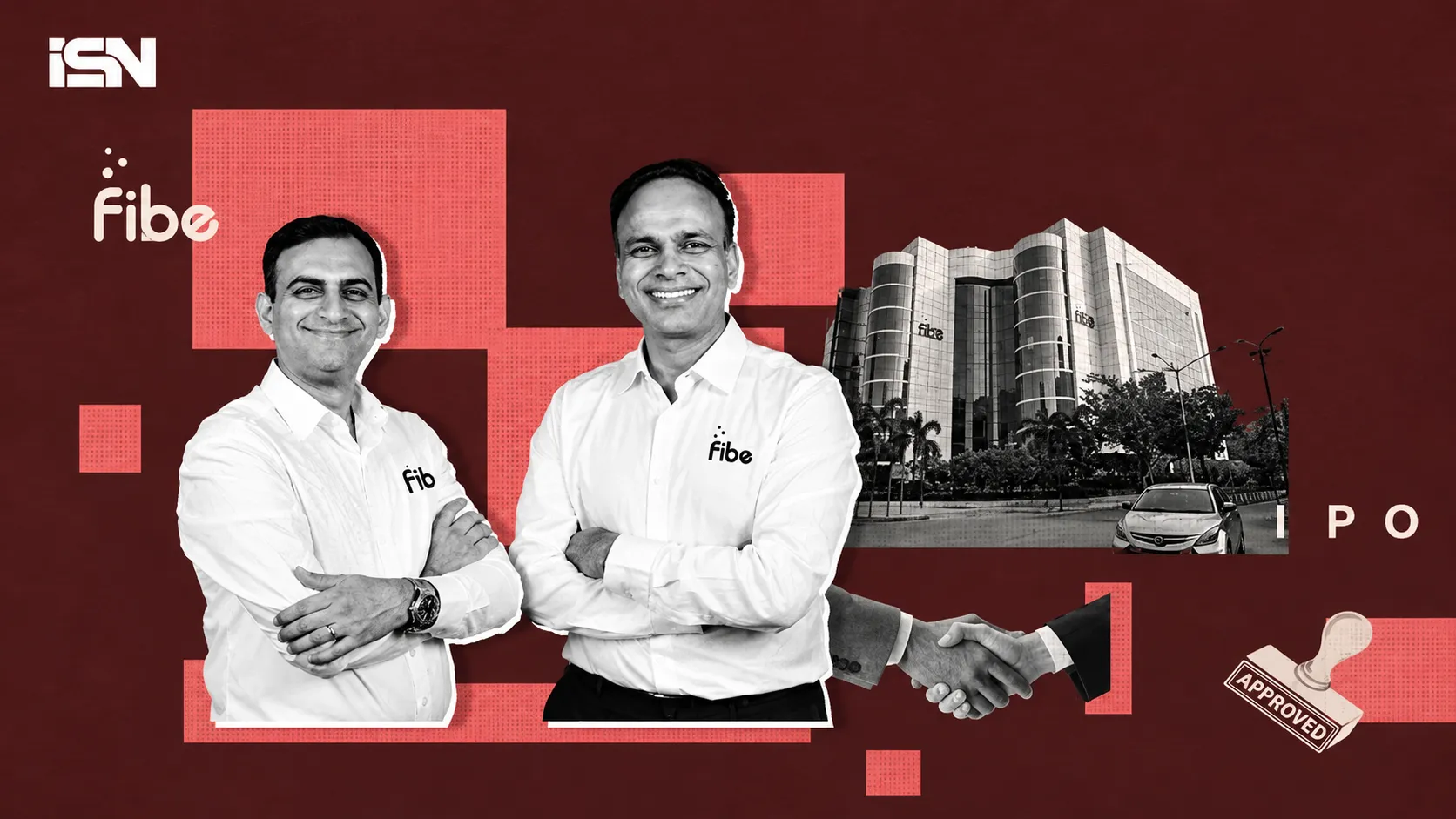
Digital lending platform Fibe has received approval from the Securities and Exchange Board of India for a Rs 750 crore initial public offering, the company confirmed September 16, 2026. The approval clears the way for Fibe to proceed toward a public listing, joining a growing cohort of Indian fintech companies that have moved from private venture-backed growth toward public-market listings over the past two years as India's IPO market has continued to mature and investor appetite for profitable, well-governed fintech businesses has strengthened considerably from the more cautious sentiment that characterised the sector in the years immediately following several high-profile, disappointing fintech listings.
Fibe, which has built its business around digital personal lending, operates in a segment of Indian fintech that has drawn intense regulatory scrutiny in recent years as the Reserve Bank of India has moved repeatedly to tighten oversight of digital lending practices, addressing concerns around aggressive collection practices, data privacy and responsible lending standards that emerged as digital lending apps proliferated rapidly across India's underbanked consumer credit market. Companies that have successfully navigated this tightening regulatory environment, building compliant, sustainable lending books rather than pursuing growth at any cost, have increasingly been rewarded with stronger investor confidence as they approach public-market listings.
The SEBI approval process for Indian IPOs involves extensive regulatory review of a company's financial disclosures, governance structures and business practices, meaning clearance itself represents a meaningful milestone that validates a company's readiness for the heightened transparency and accountability standards expected of publicly listed entities. For digital lenders in particular, that regulatory validation carries additional significance given the sector's history of periodic controversy around lending practices, making SEBI's approval a useful signal to prospective public-market investors that Fibe's business practices have withstood detailed regulatory examination.
India's broader fintech IPO pipeline has grown increasingly active through 2026, with Fibe's approval arriving in the same week that wealth-management platform Moneyview adjusted its own IPO structure, trimming its fresh issue size while investors trimmed their offer-for-sale portions — a pattern of last-minute IPO structure adjustments that has become increasingly common as Indian companies and their bankers fine-tune offering terms in response to real-time investor feedback gathered during the pre-marketing process. That dynamic reflects a maturing Indian IPO market in which issuers have grown more responsive to investor pricing sensitivity rather than pushing through offerings at valuations the market may not fully support.
For Fibe specifically, a successful public listing would provide the company with a permanent capital base independent of the venture-funding cycles that have historically governed its growth, while also offering existing shareholders, including early venture investors, a long-awaited liquidity event after years of private ownership. Digital lending businesses in particular benefit from public listing in a specific structural way: public capital markets provide access to a broader and potentially cheaper pool of capital for on-lending activities than relying solely on venture equity or wholesale debt facilities, a meaningful consideration for a business model where the cost and availability of capital directly determines lending capacity and, ultimately, growth potential.