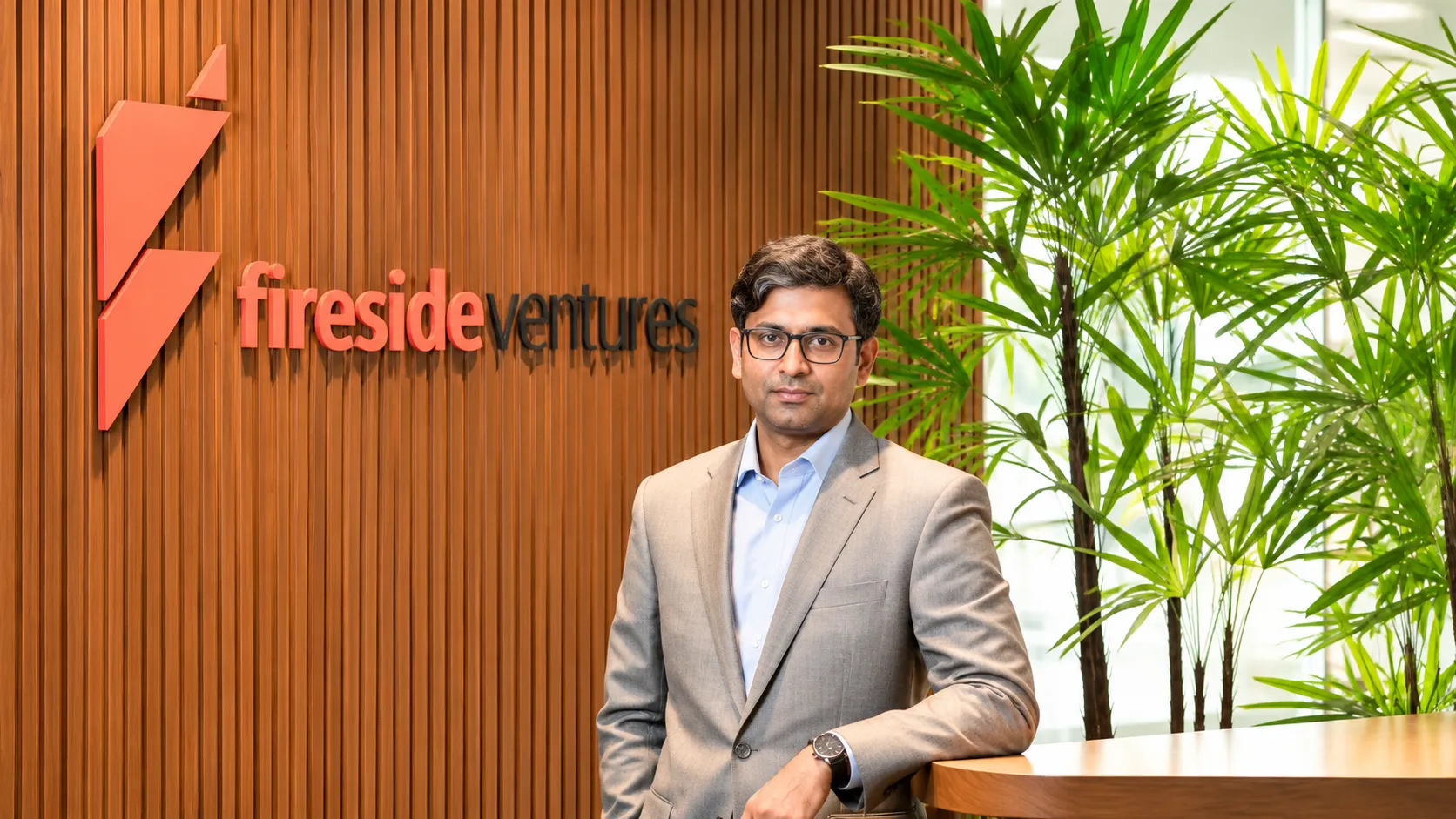
Fireside Ventures, one of India's most prominent venture capital firms focused on consumer brands, is facing questions about its leadership and succession after a series of senior departures. A November 21 analysis by BW Disrupt highlighted how the changes have raised succession questions at a key moment in the firm's investment cycle.
In early November, co-founder and partner Vinay Singh announced he would step down after nearly a decade at the firm. Days later, principal Prayag Mohanty also exited, marking the second senior leadership departure in less than two weeks, according to Inc42. Fireside confirmed Mohanty's exit.
The departures come as Fireside deploys its fourth fund, which totals about ₹2,265 crore (around $253 million), and scales its early-stage investment strategy.
Who is leaving
Vinay Singh was one of the four co-founders of Fireside Ventures, which was set up in 2017 with Kanwaljit Singh, Kannan Sitaram and Dipanjan Basu. Before Fireside, Vinay Singh co-founded Stepni, a car servicing platform later acquired by Quikr.
Reports said Singh plans to explore opportunities in agentic commerce and consumer AI, areas that are attracting growing interest as AI changes how consumers discover and buy products.
Prayag Mohanty was a principal at the firm, a role typically responsible for sourcing deals, conducting due diligence and supporting portfolio companies. Principals are often seen as future partners, so their departure can affect a firm's long-term succession pipeline.
Who remains
Fireside is led by founder and managing partner Kanwaljit Singh, a veteran of the consumer goods industry who previously spent years at Hindustan Unilever and Helion Venture Partners. Co-founders and partners Kannan Sitaram and Dipanjan Basu remain with the firm. Sitaram brings more than three decades of experience in FMCG businesses, while Basu, a former CFO of Myntra, brings finance and operational expertise. Adarsh Menon, a former Flipkart executive, joined as operating partner in 2024.
That leadership team has deep experience. However, venture capital firms are long-term enterprises, with funds typically lasting ten years or more. Investors in a fund, known as limited partners, pay close attention to the stability and depth of the investment team.
Fireside's track record
Fireside has built a reputation as one of India's leading investors in consumer brands. It has backed more than 65 startups, including some of the best-known direct-to-consumer brands in the country. Its portfolio has spanned food and beverages, personal care, fashion, home products and consumer health.
The firm's thesis has centred on the rise of Indian consumer brands built for a digitally connected, aspirational population. It has sought to back founders who can build distinctive brands with strong customer loyalty.
Fireside closed its fourth fund at about $253 million in December 2025. Raising a new fund in a difficult fundraising environment demonstrated continued confidence from its limited partners.
A wave of senior exits across Indian VC
Fireside's changes are part of a broader trend of senior departures from established Indian venture firms. In recent years, several senior investors have left large firms to start their own funds.
Earlier in 2026, Ashish Agrawal, Ishaan Mittal and Tejeshwi Sharma left Peak XV Partners to set up Mettle Capital. Anjana Sasidharan, a partner and co-head of India investments at L Catterton, left in March to start Asthrum Capital.
These moves reflect a maturing ecosystem in which experienced investors are building their own firms, often with specialised strategies. They also highlight the challenge for established firms of retaining talent and planning succession.
Why succession matters
Succession planning has become a major issue for venture capital firms globally. Many firms were built around a small group of founding partners, and the transition to a new generation of leaders can be difficult. Limited partners increasingly ask firms how they plan to develop and retain the next generation of investors.
For a consumer-focused firm like Fireside, the challenge is particularly important. The consumer landscape is changing rapidly, with quick commerce, social commerce and AI-driven discovery reshaping how brands reach customers. Firms need investors who understand these new channels.
Vinay Singh's reported interest in agentic commerce, where AI agents help consumers find and buy products, highlights one of these shifts. It also suggests that some experienced consumer investors see the next wave of opportunity in technology-driven commerce rather than traditional D2C brands.
The consumer investing environment
Consumer brand investing in India has gone through a significant cycle. The 2021-22 funding boom saw large investments in D2C brands, many of which struggled when funding tightened and customer acquisition costs rose. Investors have since become more selective, focusing on brands with sustainable unit economics and paths to profitability.
At the same time, consumer brands remain attractive exit opportunities. Large consumer goods companies have been active acquirers of digital-first brands, and several consumer companies have listed on Indian stock exchanges. Successful exits are critical for venture funds to return capital to their investors.
What it means for founders
For founders in Fireside's portfolio, leadership changes can raise practical questions about board representation and support. Partners who leave typically hand over their board seats and portfolio responsibilities to colleagues. Smooth transitions are important to maintain relationships with founders.
For founders seeking funding, Fireside remains an active investor with significant capital to deploy from its fourth fund. The firm's long-standing leadership and established brand in consumer investing are likely to continue attracting entrepreneurs.
Looking ahead
How Fireside responds to the departures will be closely watched. The firm could promote internal talent, hire experienced investors from outside or restructure responsibilities among existing partners. Clear communication with limited partners and founders will be important.
For The Impactful Global Indian's readers, the developments highlight how India's venture capital industry is evolving. As the ecosystem matures, firms face the same challenges of talent, succession and strategy that established venture firms in other countries have long navigated. How they manage these transitions will shape the next decade of Indian startup investing.
The limited partner view
For the institutions that invest in venture funds, such as pension funds, endowments, family offices and development finance institutions, the stability of a firm's investment team is one of the most important factors in deciding whether to commit capital. Many limited partnership agreements include "key person" provisions, which can give investors rights if specified senior partners leave. How Fireside's agreements treat these departures has not been disclosed, but transparent communication with its investors will be essential to maintaining confidence as it prepares for future fundraising.


