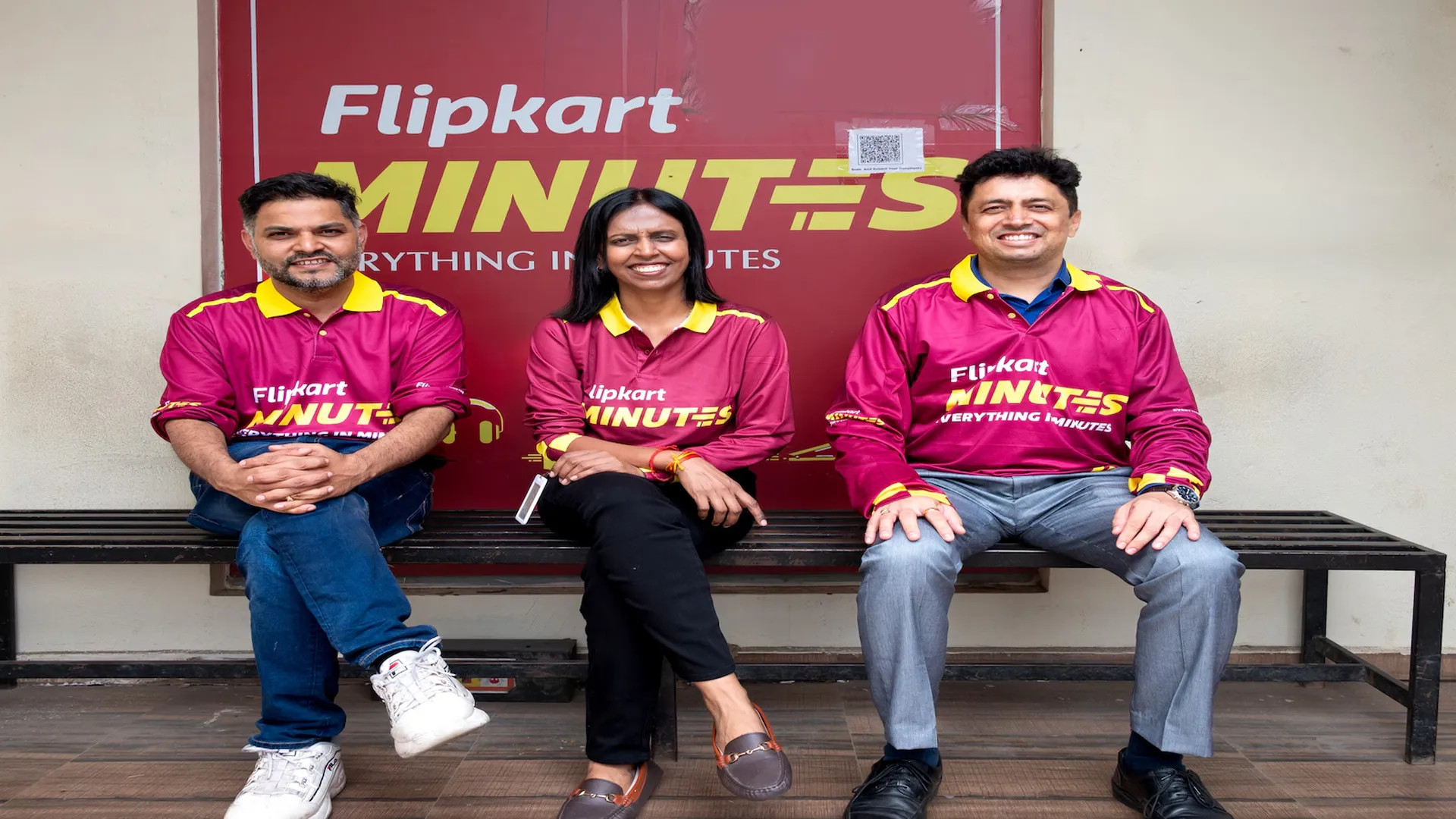
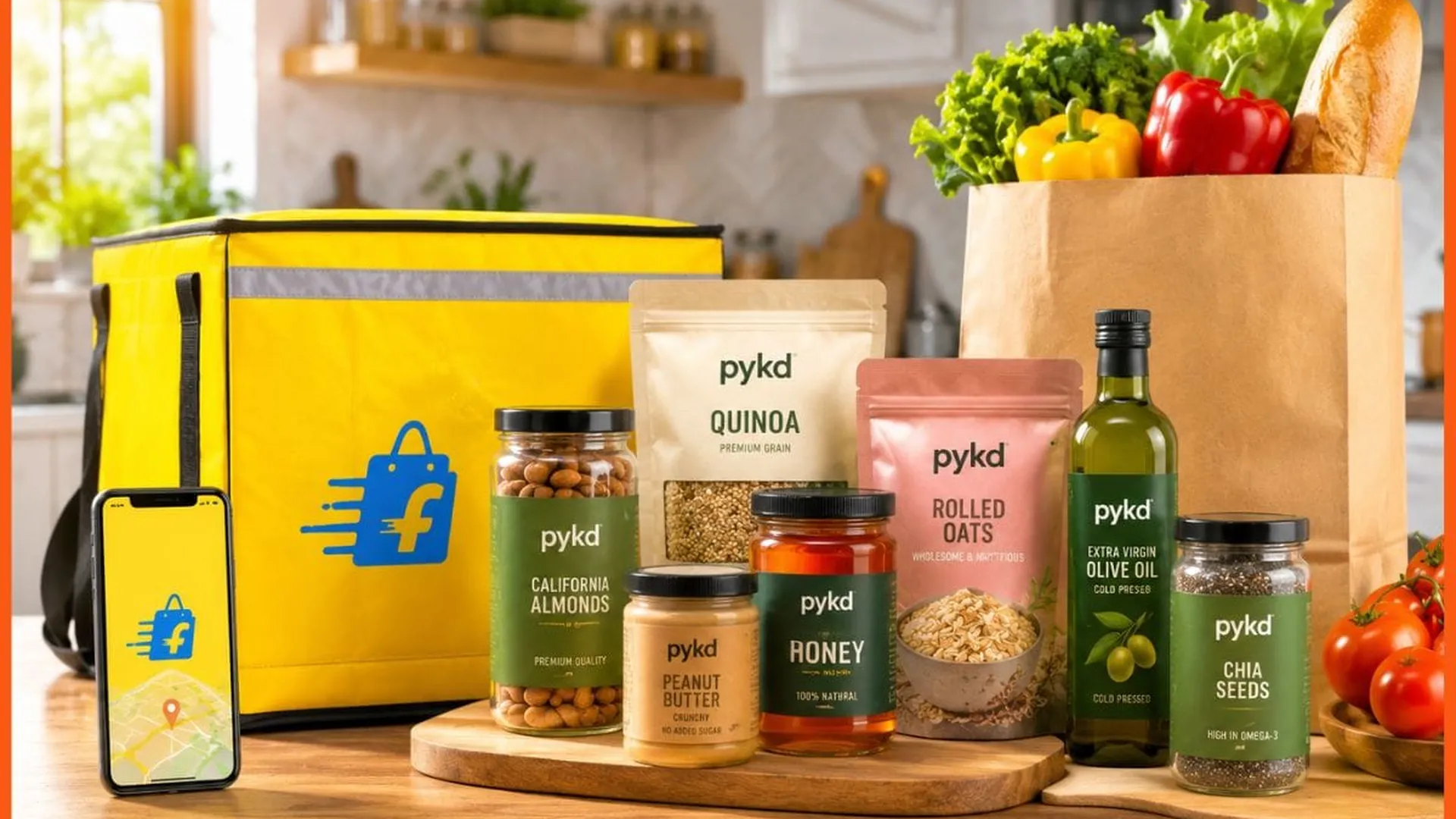
Flipkart has pushed its quick-commerce arm, Minutes, into the increasingly crowded gourmet grocery segment, introducing a premium product assortment spanning imported cheeses, artisanal coffees, wood-pressed oils and ghee, gourmet chocolates, ramen, kombucha and boba, alongside a newly launched private label, Pykd, that will initially sell namkeen and chips. The move, first reported by Moneycontrol and confirmed across multiple outlets on August 8, places the Walmart-owned e-commerce giant squarely inside a category that has rapidly become the next major battleground in India's quick-commerce wars: not speed of delivery, which has largely been commoditised across major players, but the value and margin captured per basket.
The launch follows a now-familiar playbook among India's leading quick-commerce platforms. Blinkit has already introduced its own Gourmet offering, while Zepto is preparing a premium grocery service called Select, which will similarly feature imported and specialty products. Swiggy Instamart, meanwhile, has built out a private label called Noice, focused specifically on premium food and beverage categories — a direct structural parallel to what Flipkart is now attempting with Pykd. That convergence across four of India's largest quick-commerce operators, within a matter of months of each other, suggests the shift toward gourmet and premium categories reflects a genuine, data-driven strategic consensus rather than a single company's isolated experiment.
The commercial logic behind the push is straightforward. Speciality coffee, imported cheese, premium chocolates and cold-pressed oils generally command significantly higher price points than everyday grocery staples such as rice, dal or cooking oil — meaning that even modest adoption of gourmet categories among a platform's existing customer base can materially increase average basket value without requiring the platform to acquire a single new customer. For companies like Flipkart Minutes, competing in a quick-commerce market where customer acquisition costs remain stubbornly high and unit economics on ten-minute delivery of low-value staples remain challenging, premium categories offer one of the more direct levers available to improve blended profitability across the existing user base.
Pykd's introduction as a private label adds a further layer to that strategy. By launching its own in-house brand within the gourmet category, rather than relying exclusively on third-party premium brands that are, in most cases, equally available on Blinkit, Zepto and other competing platforms, Flipkart gains a genuine point of differentiation that competitors cannot directly replicate — a customer who wants a specific Pykd product can only get it on Flipkart Minutes. Private labels also give platforms considerably more control over sourcing, pricing and margin structure than reselling established third-party brands, though the actual profitability of any given private-label line depends heavily on execution factors including sourcing costs, marketing spend, logistics and achieved sales volumes, none of which are yet publicly disclosed for Pykd specifically.
The competitive backdrop for Flipkart's move is intensifying on multiple fronts simultaneously. Bengaluru-based FirstClub, founded by former Flipkart senior vice president Ayyappan R, has emerged as one of the companies credited with popularising the premium grocery subscription model in India, and recently raised $55 million in a Series B funding round in June 2026 — a signal of continued investor conviction in the premium grocery thesis even as larger, horizontal quick-commerce platforms move to compete directly in the same space. Sauce.vc partner Yash Dholakia has characterised the broader shift succinctly, noting that quick commerce 'has now evolved into a preferred channel for affluent consumers, and is built around a limited but high-quality premium assortment' — a framing that positions gourmet and premium categories not as a peripheral add-on but as an increasingly central part of how quick-commerce platforms intend to compete for India's most valuable customer segment.
Flipkart's infrastructure scale gives Minutes a genuine operational advantage as it enters the category. The company has said it has now launched 1,000 micro-fulfilment centres for Minutes across 130 cities, servicing more than 8,000 pincodes nationwide, with plans to expand the network further to 1,500 centres across 180 cities in the coming months — a footprint that, if accurate, would place Flipkart Minutes among the more geographically extensive quick-commerce networks in the country, ahead of narrower premium-focused challengers such as FirstClub, even if it still trails the two established quick-commerce leaders, Blinkit and Zepto, in overall market share and brand recognition within the category.
The broader market opportunity driving this convergence toward premium categories is substantial. According to Bain & Company and Flipkart's own 'How India Shops Online 2025' report, India's quick-commerce market is projected to grow from approximately $10–11 billion currently to somewhere in the range of $65–70 billion by 2030 — a roughly six-fold expansion that has intensified competitive pressure among the sector's major players to find new, defensible sources of growth and margin beyond simply expanding delivery radius and reducing delivery times, both of which have become table stakes rather than genuine differentiators across the category's leading platforms.
For Flipkart specifically, the Pykd launch also fits within a broader pattern of the company using private labels and adjacent financial products to deepen its relationship with existing customers across its various platforms. The company has separately rolled out Flipkart Pay Later, a credit product offering flexible repayment options across Flipkart, Myntra and Flipkart Minutes, in partnership with PayU Finance — part of a wider strategy of building an increasingly integrated ecosystem of commerce, credit and now premium private-label products across its various consumer touchpoints, rather than treating Minutes as a standalone quick-commerce bet disconnected from the rest of Flipkart's broader retail infrastructure.
As Blinkit's Gourmet, Zepto's forthcoming Select, Swiggy Instamart's Noice and now Flipkart Minutes' Pykd converge on the same premium grocery thesis within months of one another, the segment's near-term winner is likely to be determined less by which platform moves first — that race is now effectively over — and more by which company can most efficiently source, merchandise and retain customers around genuinely differentiated premium products, rather than simply matching competitors' category breadth. For Flipkart, with its considerably larger fulfilment footprint but comparatively later entry into gourmet grocery specifically, Pykd's success will be an early signal of whether Minutes can translate its infrastructure scale into a genuine premium-category advantage, or whether it remains a fast follower in a category that Blinkit and Zepto have already spent longer refining.