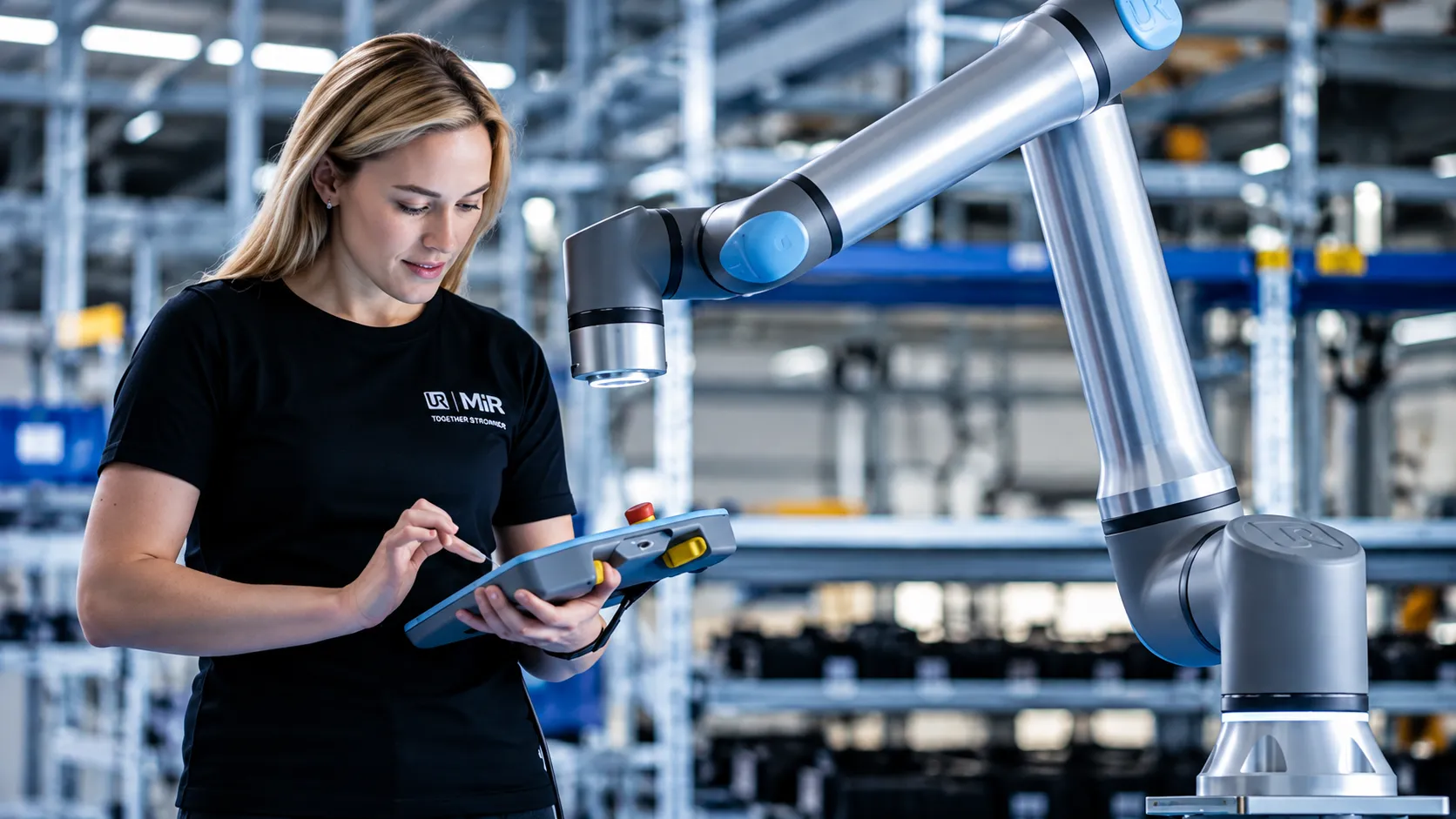
For small and mid-sized manufacturers, buying industrial robots can be expensive, complicated and risky. Formic, a Chicago-based startup, has built a business on removing those barriers by renting robots for a monthly fee, and investors are backing its plans to expand.
Formic has raised $50 million in Series B and debt financing, FinSMEs reported on Friday, October 23. The Series B was led by Mercato Partners, with participation from Light Ray Ventures, Lightscape Partners, Citi and other new and existing investors. S2G Investments provided debt financing.
The company describes itself as a commercialisation platform for "physical AI," the use of artificial intelligence in robots and machines that operate in the real world.
The robots-as-a-service model
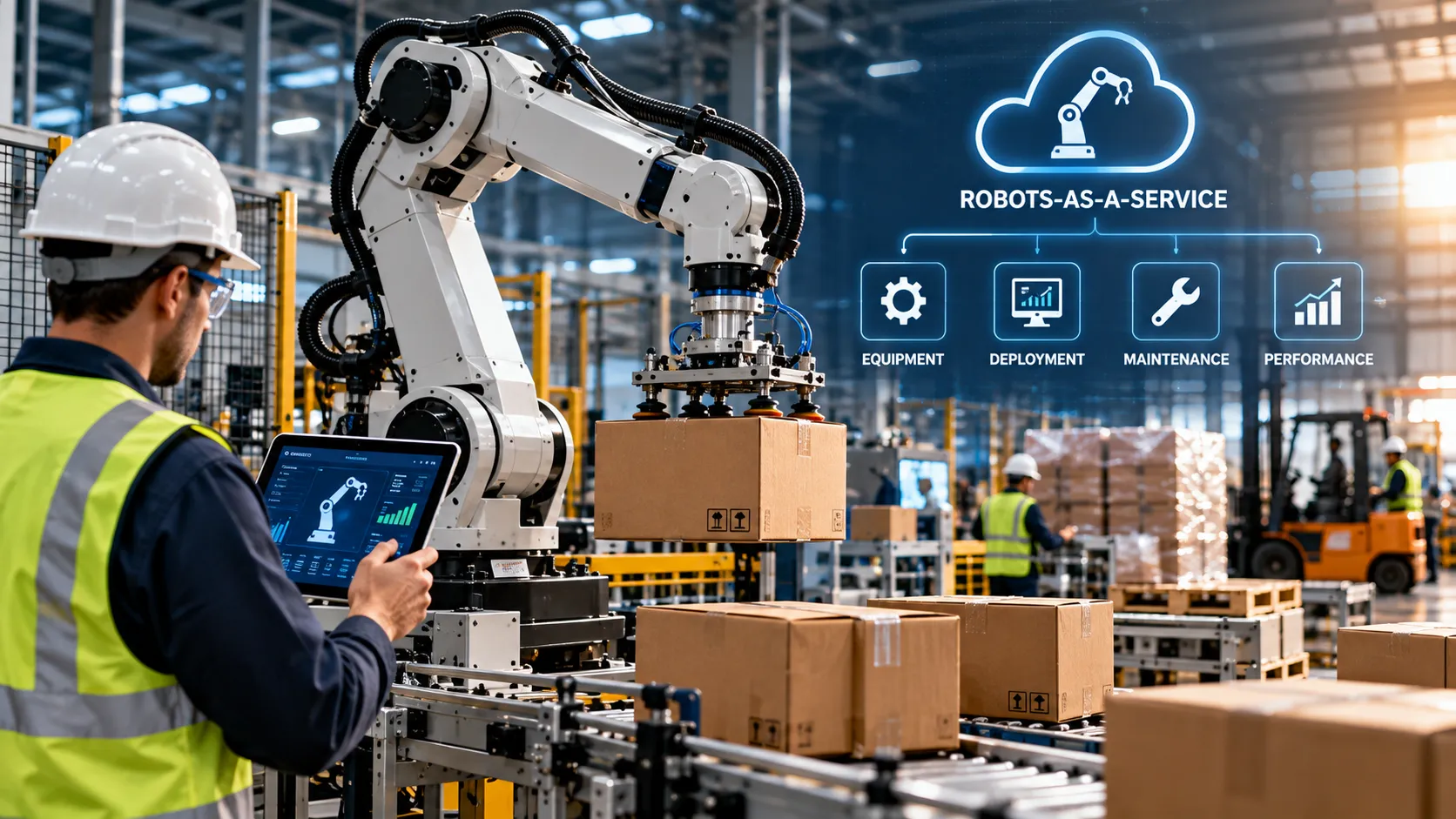
Formic brings robots into production environments through a "robot-as-a-service" model. Instead of buying robots outright, customers pay a single recurring monthly fee that covers equipment, deployment software, field operations, maintenance, performance monitoring and financing.
The model addresses some of the biggest obstacles to automation for manufacturers. Industrial robots can cost hundreds of thousands of dollars once integration, programming and safety systems are included. Many smaller companies lack the capital and in-house engineering expertise to deploy and maintain them. By shifting the cost to an operating expense and taking responsibility for performance, Formic makes automation accessible to companies that might otherwise not adopt it.
Formic operates hundreds of robots across more than 100 facilities in over 30 US states, handling tasks such as palletising, case packing, machine tending, kitting and assist work.
Industries served
The company serves manufacturers in food and beverage, consumer packaged goods, chemicals, aerospace, defence, packaging and the broader US industrial base.
These industries face persistent labour shortages for repetitive, physically demanding jobs, such as stacking boxes onto pallets or loading parts into machines. Automation can fill these gaps, improve consistency and reduce workplace injuries.
Where the money will go
Founder and chief executive Saman Farid plans to use the funding to move from task-specific automation towards "general-purpose robotics," strengthen the company's AI and robotics capabilities, expand into metal fabrication and deepen work in aerospace, space, defence, medical, energy and the broader US industrial base.
The shift towards general-purpose robotics reflects advances in AI that allow robots to handle a wider range of tasks with less custom programming. Traditional industrial robots are typically programmed for a single, precise task. Newer systems, using AI models trained on large datasets and simulations, can adapt to variations and learn new tasks more easily.
The reshoring push
Formic's growth is tied to efforts to rebuild manufacturing in the United States. Government policies, including tariffs, incentives for domestic production and concerns about supply chain security, have encouraged companies to bring manufacturing back from overseas or expand domestic capacity.
But reshoring faces a major constraint: labour. The US has a shortage of manufacturing workers, and wages are far higher than in many competing countries. Automation is seen as essential to making domestic manufacturing competitive.
The physical AI boom
Investment in robotics and physical AI has surged. Nvidia has made physical AI a central part of its strategy, humanoid robot developers have raised billions of dollars, and companies are racing to deploy AI-powered robots in warehouses and factories. On the same day as Formic's announcement, Hugging Face's Microduck robot drew more than 20,000 preorders after Nvidia's chief executive played with it on stage.
Formic's approach is more pragmatic than many humanoid robot ventures. It focuses on deploying proven robotic systems to solve immediate problems for customers today, while building the data and operational experience to move towards more general capabilities.
Why investors like the model
The robots-as-a-service model offers recurring revenue, which investors value for its predictability. The combination of equity and debt financing in Formic's round reflects this: debt can fund the purchase of robots that generate steady monthly payments, while equity funds technology development and growth.
The model also carries risks. Formic must manage the capital costs of owning robots, ensure high utilisation and performance, and maintain service quality across many sites.
What it means for India
India's manufacturing sector, which the government aims to expand through production-linked incentives and trade agreements, faces different dynamics. Labour is more abundant and cheaper than in the United States, which has slowed automation. However, rising quality requirements, especially for exports, and the need for productivity gains are driving greater adoption of robots, particularly in automotive, electronics and pharmaceuticals.
Robots-as-a-service models could help India's millions of small and medium manufacturers access automation without large upfront investments. Several Indian startups are exploring similar approaches, and the growth of companies like Formic could offer a template.
The automation gap
Despite decades of progress in industrial robotics, many factories, especially small and medium-sized ones, still rely heavily on manual labour. Robot adoption has been concentrated in large automotive and electronics plants, where high volumes justify the investment. Studies have found that the United States lags countries such as South Korea, Singapore, Germany, Japan and China in robot density, the number of industrial robots per worker.
Closing that gap is seen as important for US competitiveness. Robots-as-a-service and other financing models are among the approaches being used to make automation economically viable for smaller manufacturers with lower volumes and more varied production.
Founder background
Under founder and chief executive Saman Farid, the company has positioned itself as a bridge between robotics technology developers and manufacturers that need practical solutions rather than research projects.
What comes next
Formic will use the new funding to expand its fleet, enter new industries and develop more flexible robotic capabilities. Its progress will be watched as a test of whether robots-as-a-service can scale and help close the gap between the promise of physical AI and its adoption on factory floors. Investors will also watch how quickly Formic can expand into new industries such as metal fabrication and aerospace, which require more complex automation. Success there would validate its push towards general-purpose robotics and strengthen its position as a leading provider of automation to the American industrial base. The company's experience may also prove instructive for manufacturers elsewhere, including in India, weighing how to finance automation. Formic's next milestones will include deploying robots in new sectors and demonstrating the economics of general-purpose systems at customer sites. Customers' renewal rates will be an important signal of value.