FundingMarket Data Women5 MIN READ

Foreign Investors Pour ₹84,290 Crore Into Indian Stocks in Nine Sessions, Ending Two Months of Selling as AI Trade Cools

Foreign portfolio investors bought a net ₹84,290 crore of Indian equities between November 2 and 13, according to depositories data, reversing outflows of ₹34,843 crore in October and ₹35,861 crore in September. Analysts attributed the buying to lower oil prices and money leaving crowded AI trades elsewhere in Asia, but cautioned it may be tactical rather than a lasting return.

By Shaym Kumar · Author16 November 2026New
Foreign Investors Pour ₹84,290 Crore Into Indian Stocks in Nine Sessions, Ending Two Months of Selling as AI Trade Cools

After months of steady selling, foreign investors have returned to Indian stocks in force.

Foreign portfolio investors (FPIs) invested a net ₹84,290 crore in Indian equities between November 2 and November 13, according to depositories data reported by The Hans India and Upstox on November 16. The buying took place over nine trading sessions and ended two consecutive months of net withdrawals.

FPIs had pulled out a net ₹34,843 crore in October and ₹35,861 crore in September. The November buying has narrowed cumulative foreign outflows for 2026 to about ₹2.1 lakh crore, from nearly ₹3 lakh crore a few weeks earlier.

Why foreign money is returning

Analysts pointed to two main drivers: lower oil prices and a shift away from crowded technology trades in other markets.

Brent crude fell about 13% in the first week of November to nearly $97 a barrel, according to The Hans India. India imports most of its oil, so lower prices improve its trade balance, ease inflation pressures and support corporate profits, making Indian assets more attractive to foreign investors.

At the same time, a sell-off in global AI-related stocks prompted investors to look beyond technology-heavy markets. Over the past year, foreign investors had moved money from India to markets such as Taiwan and South Korea, which are more directly linked to the AI boom through companies that make chips and AI hardware. As those trades unwound, some of that money flowed back to India.

A tactical shift

Not everyone is convinced the buying will last. Vedant Gupte, co-founder and chief executive of Trackk, described the inflows as "a tactical shift rather than a structural return," according to The Hans India. He said falling crude prices and money leaving the crowded Asian AI trade had led foreign investors to reduce their underweight positions in India, with most buying concentrated in index heavyweights.

Rohan Goyal, investment research analyst at MIRA Money, said the global AI sell-off pushed investors to look beyond tech-heavy markets, and also cited easing geopolitical concerns and attractive valuations of large Indian companies.

Where the money went

VK Vijayakumar, chief investment strategist at Geojit Investments, said foreign investors bought aggressively in financials, telecom, capital goods, pharmaceuticals and automobiles, while select power stocks gained on strong earnings, according to The Hans India.

The concentration in large, liquid stocks is typical of foreign investors re-entering a market. Large institutions that manage billions of dollars tend to buy index heavyweights first because they can deploy large amounts of money without moving prices significantly.

Debt flows

Foreign investors also put money into Indian debt. They invested ₹7,815 crore through the Fully Accessible Route, which covers government bonds included in global bond indices, and ₹1,167 crore through the general route, while withdrawing ₹702 crore from the Voluntary Retention Route, according to The Hans India.

Inclusion of Indian government bonds in global indices has created a steady stream of foreign investment into India's debt market in recent years, although flows can be volatile when interest rate expectations change.

Why it matters

Foreign portfolio flows are a significant driver of Indian stock prices and the rupee. Sustained buying can lift the market and strengthen the currency, while heavy selling can weigh on both. FPIs hold a large share of the free float of India's biggest companies, so their decisions influence valuations across the market.


“A tactical shift rather than a structural return.”
— Vedant Gupte, Co-founder and CEO, Trackk

In recent years, domestic investors, through mutual funds, insurance companies and pension funds, have become a powerful counterweight. Steady monthly investments by retail investors have absorbed much of the foreign selling, reducing the market's dependence on foreign capital. But foreign flows still matter, particularly for large-cap stocks.

The market picture

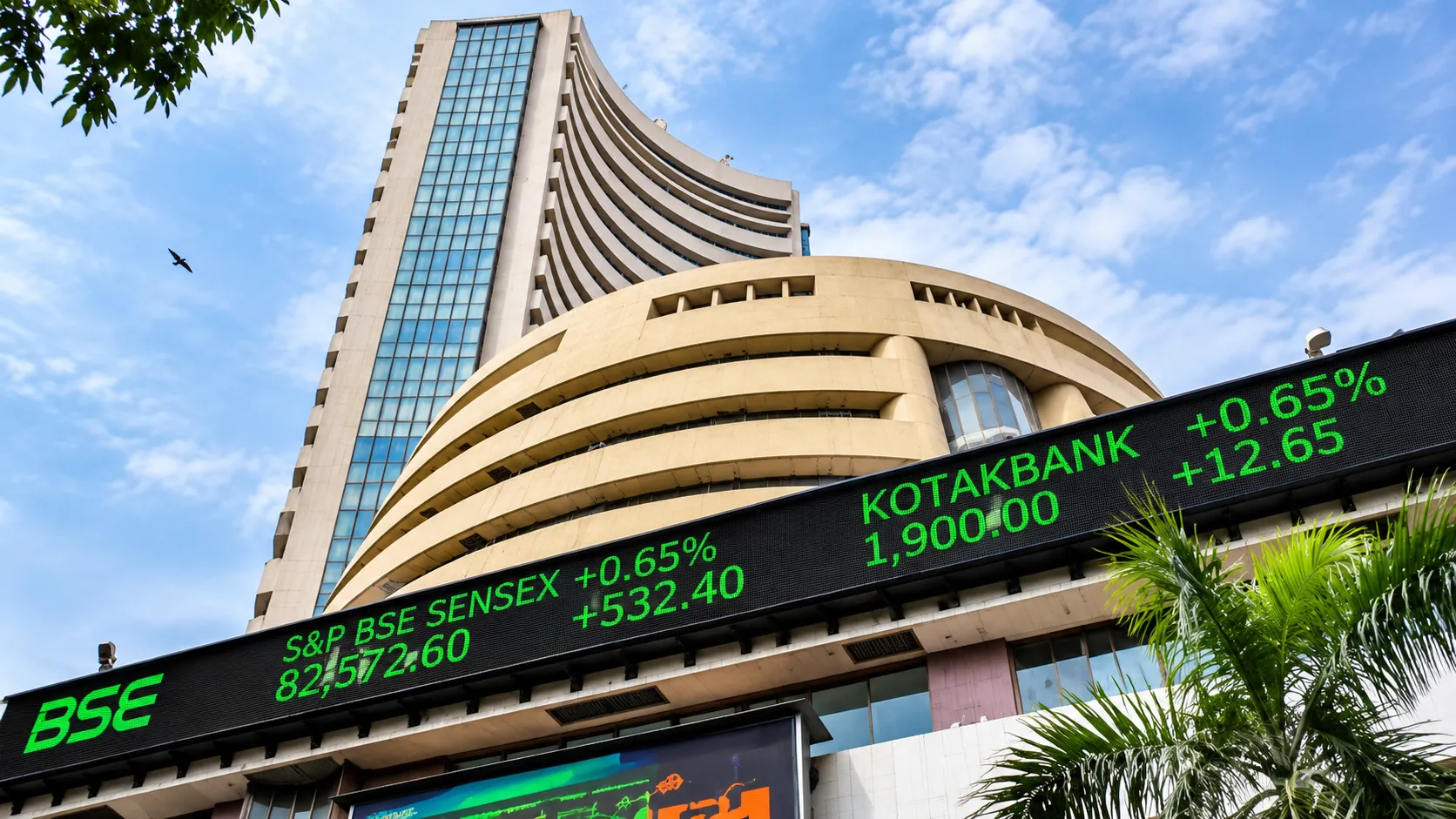
The return of foreign investors helped the Nifty cross 25,000. On Monday, November 16, Indian stocks extended gains, with the Sensex rising about 700 points in morning trade, supported by a bullish note from Morgan Stanley that said Indian equities deserve a re-rating and cited record-low foreign positioning as one reason for optimism.

The risks to watch

Vijayakumar said investors would watch several factors in the coming weeks: the minutes of the US Federal Reserve's latest meeting, crude oil prices, the rupee, expectations of an RBI rate increase, corporate earnings and whether the Nifty holds above 25,000.

India's retail inflation rose to 6.09% in October, above the RBI's tolerance band, and economists expect a rate increase in December. Higher Indian interest rates could make Indian bonds more attractive to foreign investors, but could also slow growth and weigh on equities. Conflict in the Middle East remains a risk for oil prices.

4ba91306-6273-4b5e-b8f2-e14bfad4ec64.png

What it means for investors

For Indian investors, the return of foreign buying is a positive signal, but the experience of recent months shows that foreign flows can reverse quickly. Analysts generally advise investors not to base decisions solely on short-term flows, and to focus on company fundamentals and long-term goals.

For the global Indian diaspora investing in India, the combination of foreign inflows and a potentially stronger rupee could improve returns, though currency movements remain unpredictable.

The rupee connection

Foreign inflows also affect the rupee. When foreign investors buy Indian shares, they convert dollars and other currencies into rupees, which can support the currency. A stronger rupee reduces the cost of imports, including oil, and can help contain inflation. Conversely, heavy foreign selling tends to weaken the rupee.

The Reserve Bank of India has intervened in currency markets at times to limit volatility, using its foreign exchange reserves, which stood at about $719.5 billion in the week ended November 6.

How flows are measured

Data on foreign portfolio flows is compiled by India's depositories, NSDL and CDSL, which record the securities holdings of foreign investors. The figures include purchases and sales in the secondary market as well as investments through IPOs and other primary market offerings. Analysts often look at both the total and the breakdown between primary and secondary markets to understand investor behaviour.

Market strategists note that foreign investors' positioning in India had fallen to unusually low levels, which means even modest rebalancing can produce large inflows.

What comes next

The key question is whether November's buying marks the start of a sustained return of foreign capital or a short-term rebalancing. Further data on foreign flows, the outcome of the RBI's December meeting and trends in global technology stocks will help determine the answer.

TagsFPIforeign portfolio investorsFIIIndian equitiesNSDLdepositories datacapital flowsAI tradecrude oilBrentNiftySensexVK VijayakumarGeojitrupeeRBI rate hikeemerging marketsdebt marketIndian stock marketinvestors

Reader reviews

Sign in to rate and review this article.
Loading reviews…

