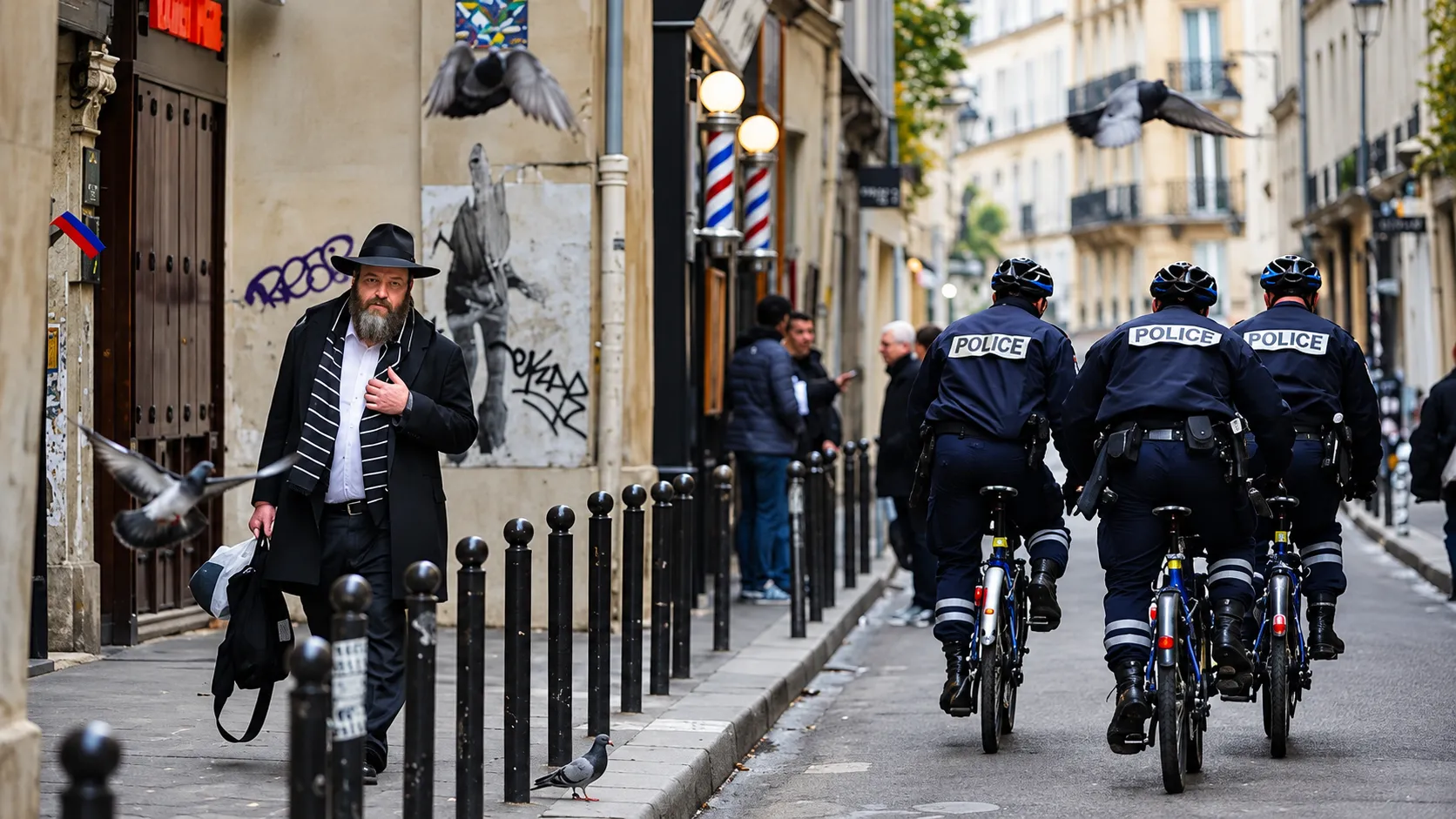
France is bracing for a second weekend of cost-of-living protests with an extraordinary security operation, as unrest that began over rising prices turns into a test of the country's political stability and its standing in financial markets.
The French government is increasing the police presence by 20% compared with last Saturday, according to the Interior Ministry, and deploying soldiers to guard sensitive buildings, Business Standard reported on Friday, October 23. Helicopters, water cannon and Centaur armoured vehicles are on standby, and special intervention forces normally used for counter-terrorism are available if needed.
At least 75% of the police force will be mobilised, according to the Unsa Police union, with many officers postponing days off.
From protests to riots
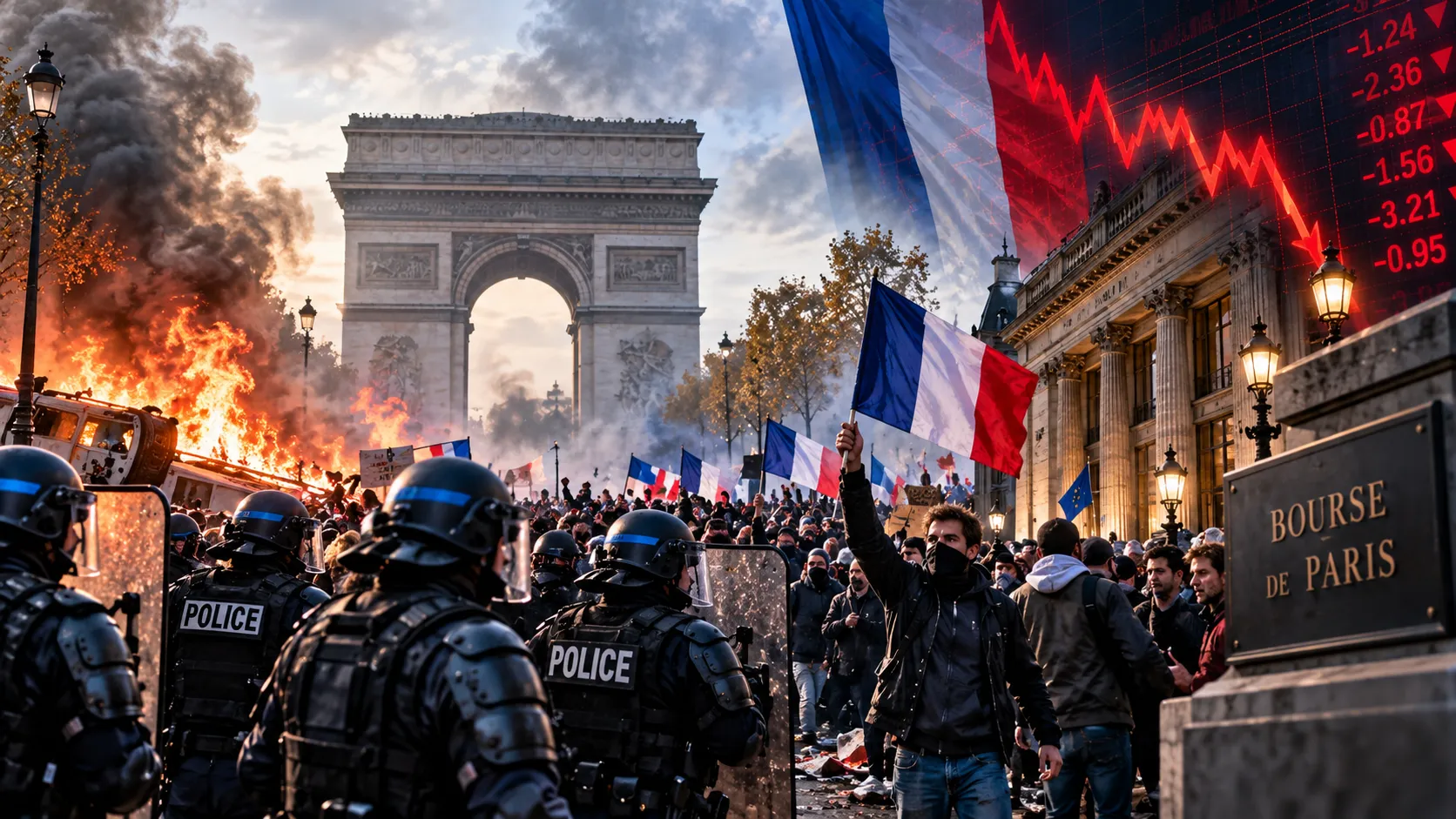
The protests, driven by anger over the cost of living and demands for better public services and government help, were followed last weekend by rioting and looting. About 3,000 stores were looted and 2,700 people were arrested. Saturday's demonstrations are being framed as an "Acte II," or second round, of the movement.
Much of the anger is directed at President Emmanuel Macron, whose popularity has fallen to a low six months before the end of his second term. Macron said only union-organised protests would be approved by local authorities this weekend. "The general recommendation is that there be no demonstrations in the coming days," he said.
Marseille and Lyon banned Saturday protests and extended curfews. The Louvre, the Musée d'Orsay and the Picasso Museum announced they would close on Saturday, and shops in Paris, including luxury boutiques, were boarding up windows and adding security staff.
Political backlash
Critics on the left condemned the security response. Manon Aubry, a member of the European Parliament from the left-wing France Unbowed party, called it "a historic attack on the right to protest." The CGT union urged authorities to end their "repressive tactics."
Macron also criticised foreign leaders, including US President Donald Trump and Israeli Prime Minister Benjamin Netanyahu, for what he called "stupid comments" on the unrest. Marine Le Pen's far-right National Rally is holding its congress in Orléans, where leftist parties plan a counter-protest expected to draw tens of thousands.
Markets take notice
The unrest is weighing on French financial assets. The spread between French and German 10-year government bond yields, a key measure of the risk investors see in French debt, widened by 16 basis points to 175 basis points on Thursday, the highest since late 2011, at the height of the eurozone debt crisis.
Italy's spread over Germany widened by 11 basis points to 127 basis points, as Italy faces its own protests and road blockades over fuel prices.
France is struggling to reduce its budget deficit ahead of elections in six months, and ratings agency Moody's was due to review the country's sovereign credit rating later on Friday, with a possible downgrade. A downgrade could raise France's borrowing costs further and add to pressure on public finances.
Corporate impact
Companies are already feeling the effects. Supermarket group Carrefour warned that the unrest will weigh on its earnings this year. Kering, the owner of Gucci and Balenciaga, said it remains alert to the threat of riots. Retailers and luxury brands, which depend heavily on tourism and in-store sales in Paris, are particularly exposed.


