DiasporaStartup6 MIN READ

Investors Dismissed Their Idea, But This Asian Mother-Son Duo Built Free Soul Into a £42 Million Brand

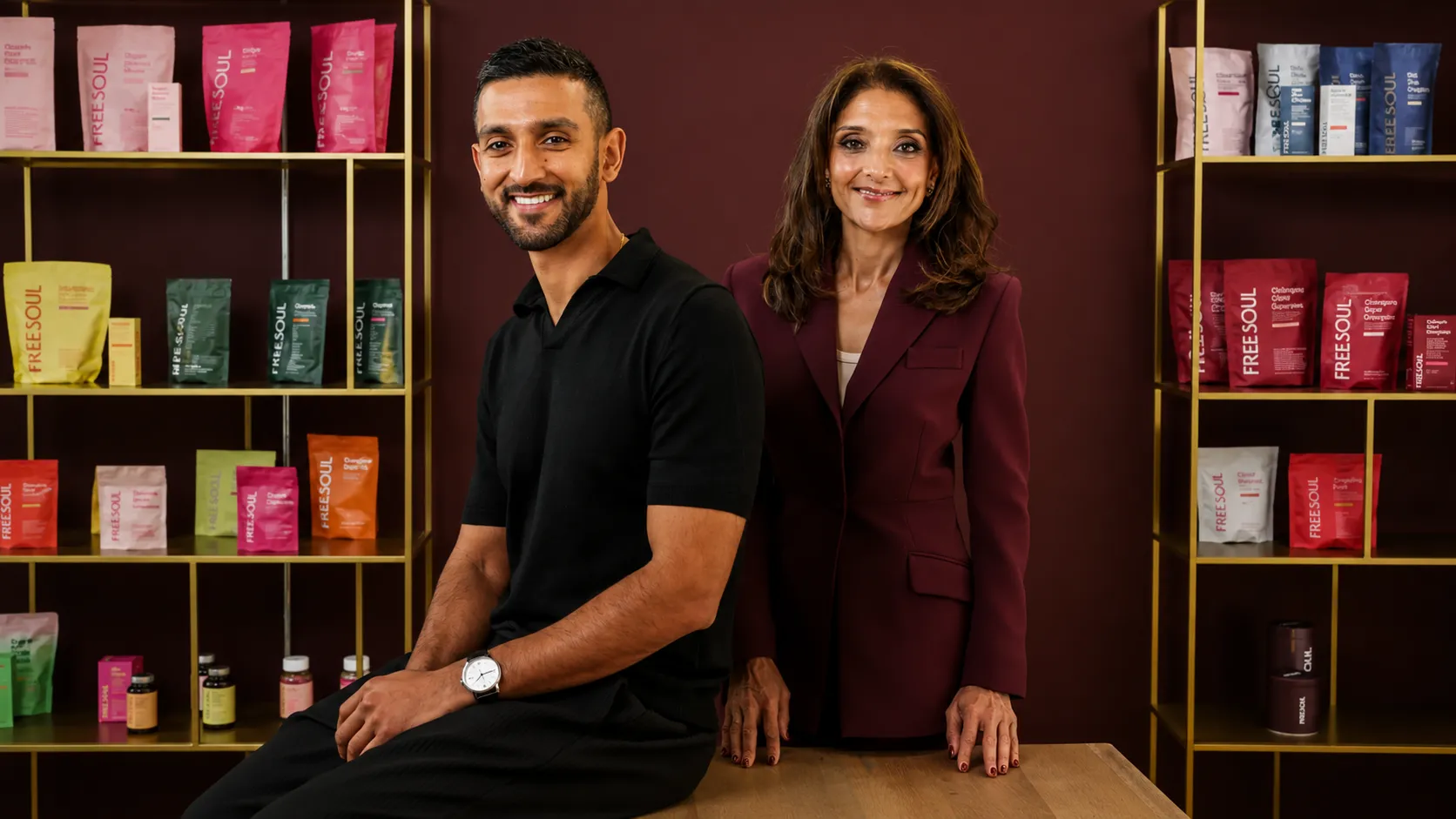
Rohini and Arjun Sofat built Free Soul, a UK wellness brand, into a £42 million business after early investors dismissed their idea — a story of persistence that has become one of British Asian entrepreneurship's most closely watched recent successes.

By Nisha Omkumar · Author2 September 2026New
Investors Dismissed Their Idea, But This Asian Mother-Son Duo Built Free Soul Into a £42 Million Brand

Rohini and Arjun Sofat, a mother-and-son entrepreneurial duo based in the United Kingdom, have built their wellness brand Free Soul into a business valued at £42 million, a milestone that arrives after early-stage investors repeatedly dismissed the underlying business idea when the pair first sought outside capital. Their journey, from a category several investors initially deemed too niche or too difficult to scale, has become one of the more closely watched British Asian entrepreneurship stories of the past year, offering a case study in how founder conviction can outlast early market scepticism.

Free Soul operates within the broader women's wellness category, a segment of the consumer health and lifestyle market that has historically attracted comparatively limited venture and early-stage investment relative to its underlying commercial potential, despite serving needs that affect a substantial share of the population across every life stage. Investors who declined to back the Sofats' early pitches reportedly questioned the addressable market size and the durability of consumer demand within the category — scepticism that the brand's subsequent revenue growth has since directly contradicted.

The mother-son founding structure itself sets Free Soul apart within a UK startup landscape more commonly associated with either solo founders or co-founder pairings among peers, colleagues or spouses. Rohini and Arjun Sofat have publicly credited their complementary skill sets and generational perspectives — spanning both lived experience within the category the brand addresses and the digital-first commercial instincts increasingly essential to building a modern consumer brand — as a meaningful factor in the company's ability to identify and act on a genuine market gap that better-resourced, more conventionally structured competitors had seemingly overlooked.

Building a consumer wellness brand to a £42 million valuation without the benefit of significant early institutional capital required the Sofats to rely more heavily on organic growth channels, direct-to-consumer distribution and community-building strategies than founders with deeper venture-capital backing might typically need to employ. This capital-efficient growth trajectory has become an increasingly celebrated, if still comparatively rare, pathway within UK consumer entrepreneurship, particularly among founders from underrepresented backgrounds who have historically faced additional structural barriers in securing early institutional investment regardless of underlying business merit.

The broader UK wellness and personal-care market has expanded considerably over the past several years, driven by rising consumer willingness to spend on preventative health, mental wellbeing and lifestyle products, alongside a cultural shift toward destigmatising conversations around women's health topics that earlier generations of consumer brands and investors alike were often reluctant to address directly. Free Soul's growth trajectory has coincided with, and arguably helped accelerate, this broader category normalisation within UK consumer culture.

For Britain's wider Asian and Indian-diaspora entrepreneurial community, the Sofats' success offers a prominent, high-visibility counterexample to persistent structural disparities in venture-capital access documented across UK startup-funding data, where founders from ethnic-minority backgrounds have historically secured a disproportionately small share of available early-stage capital relative to their representation among the UK's founder population more broadly. Stories like Free Soul's are increasingly cited by community advocates and industry bodies as evidence that capital-efficient, founder-led growth remains a viable — if still underappreciated — pathway to scale for entrepreneurs facing structural funding headwinds.
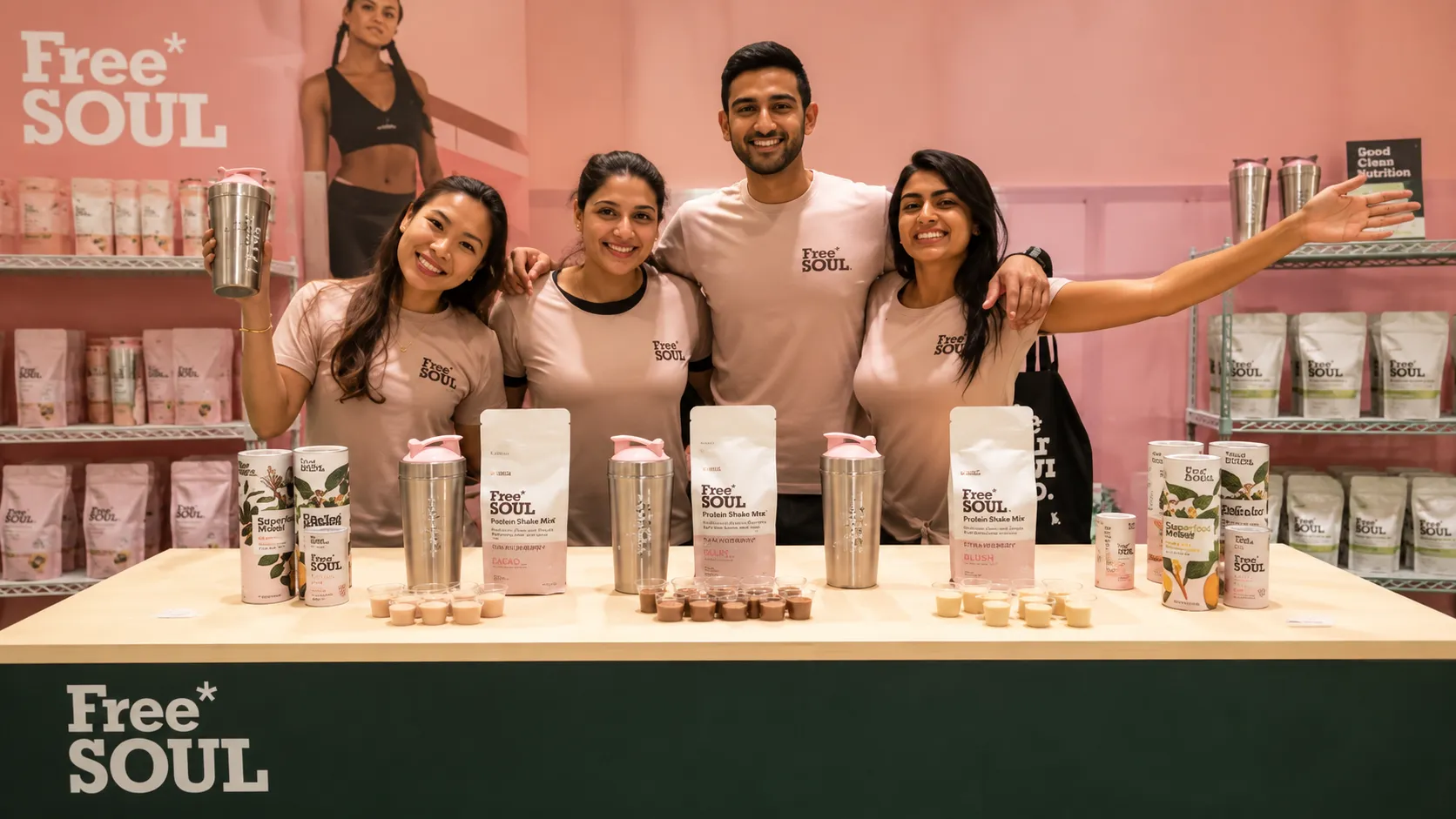

Every investor who passed on Free Soul was making the same bet: that women's wellness wasn't a big enough market. The £42 million says otherwise.
TIGI Startups Desk
ChatGPT Image Sep 2, 2026, 10_45_36 AM.png

The company's continued growth trajectory will likely be watched closely by both prospective investors who may have previously passed on the opportunity and by other founders navigating similarly sceptical early fundraising environments within categories that mainstream venture capital has been comparatively slow to fully embrace. Free Soul's example suggests that early investor rejection, while a genuine obstacle, need not be a definitive verdict on a business's underlying commercial viability.

As Free Soul continues scaling from its current £42 million valuation, the Sofats' journey adds to a small but growing body of evidence suggesting that UK consumer wellness — and women's wellness specifically — represents a considerably larger and more durable commercial opportunity than earlier generations of institutional investors had generally assumed. For a British Asian entrepreneurial community increasingly prominent across UK technology, finance and consumer sectors alike, Free Soul's rise stands as a particularly resonant example of how family partnership, category conviction and capital discipline can combine to build a genuinely substantial consumer business from the ground up, without the conventional venture-backed playbook many assume such outcomes require.

The brand's trajectory also carries a broader lesson for the UK's venture ecosystem more generally: categories dismissed early as niche or difficult to scale can, in the hands of founders with genuine category insight and sustained execution discipline, ultimately prove considerably larger and more investable than initial market scepticism suggested — a lesson that Free Soul's £42 million valuation now makes considerably harder for future investors evaluating similar opportunities to ignore.

Retail and wholesale distribution partnerships have played a meaningful role in Free Soul's growth trajectory alongside its direct-to-consumer channels, with the brand securing shelf space across major UK health and beauty retailers as its revenue base and consumer recognition expanded, a progression that has allowed the company to reach customer segments less easily accessible through digital marketing alone. This blended distribution strategy has become an increasingly common playbook among successful UK consumer brands seeking to combine the customer-acquisition efficiency of digital channels with the trust and discoverability advantages that established retail partnerships continue to offer.

The Sofats have also spoken publicly about the importance of maintaining product authenticity and category focus as the brand has scaled, resisting pressure to dilute Free Soul's core positioning through overly broad category expansion — a discipline that consumer-brand analysts frequently cite as a key differentiator between wellness brands that sustain long-term growth and those that experience rapid but ultimately unsustainable early traction before losing focus. As Free Soul continues to scale, this disciplined approach to brand and product strategy is likely to remain central to how the company defends its position against an increasingly crowded field of wellness-category entrants seeking to replicate its early success.

Industry analysts tracking the UK wellness sector expect Free Soul's trajectory to be cited increasingly often in pitch decks from other founders in adjacent categories, using the brand's £42 million outcome as evidence to counter similarly sceptical early investor feedback.

TagsFree SoulRohini SofatArjun SofatUKWellnessEntrepreneurshipDiasporaStartup

Reader reviews

Sign in to rate and review this article.
Loading reviews…

