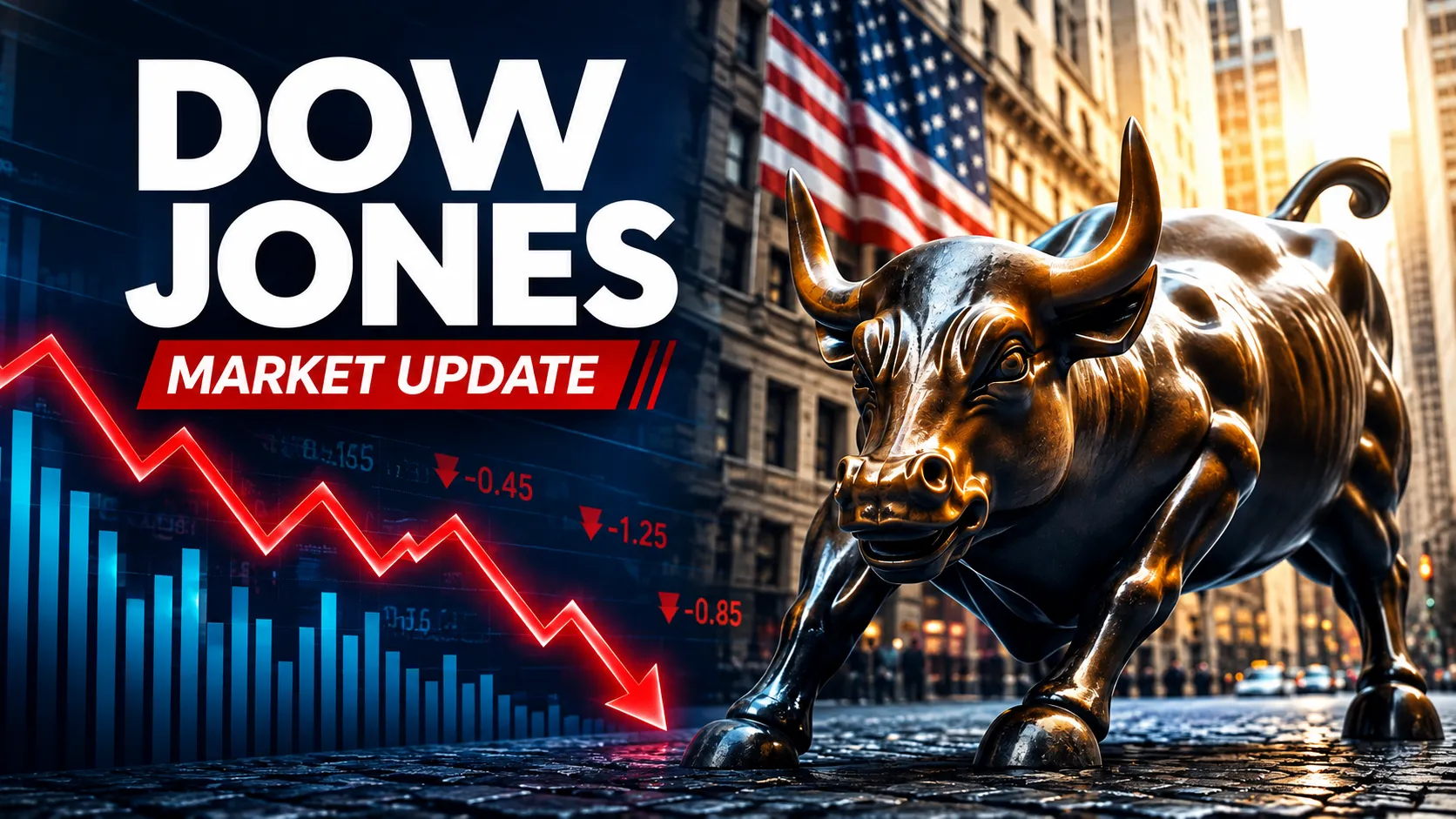
Global equity markets extended their decline on September 16, 2026, with the Dow Jones Industrial Average falling 614 points, or 1.18 percent, to close at 51,479 points, as Wall Street traders positioned for continued Federal Reserve interest-rate tightening following the central bank's first rate hike in three years. The S&P 500 fell 0.4 percent while the Nasdaq 100 closed nearly flat, as all major sector groups within the S&P 500 registered declines. The selloff drove major indices toward their lowest levels since July, with the technology-heavy Nasdaq bearing the brunt of investor caution around the prospect of a sustained tightening cycle.
The Federal Reserve's decision to raise interest rates by 25 basis points, delivered after a multi-year pause, caught markets somewhat off guard in terms of the accompanying guidance, with median projections from Federal Open Market Committee members reflecting expectations for one or two additional rate hikes before year-end, alongside upward revisions to both inflation and GDP growth projections. That guidance shifted market pricing meaningfully, with money markets moving to price in roughly a 50 percent probability of a further Fed hike in October, a significant repricing from the market's earlier expectation that the central bank's tightening cycle might prove brief and limited in scope.
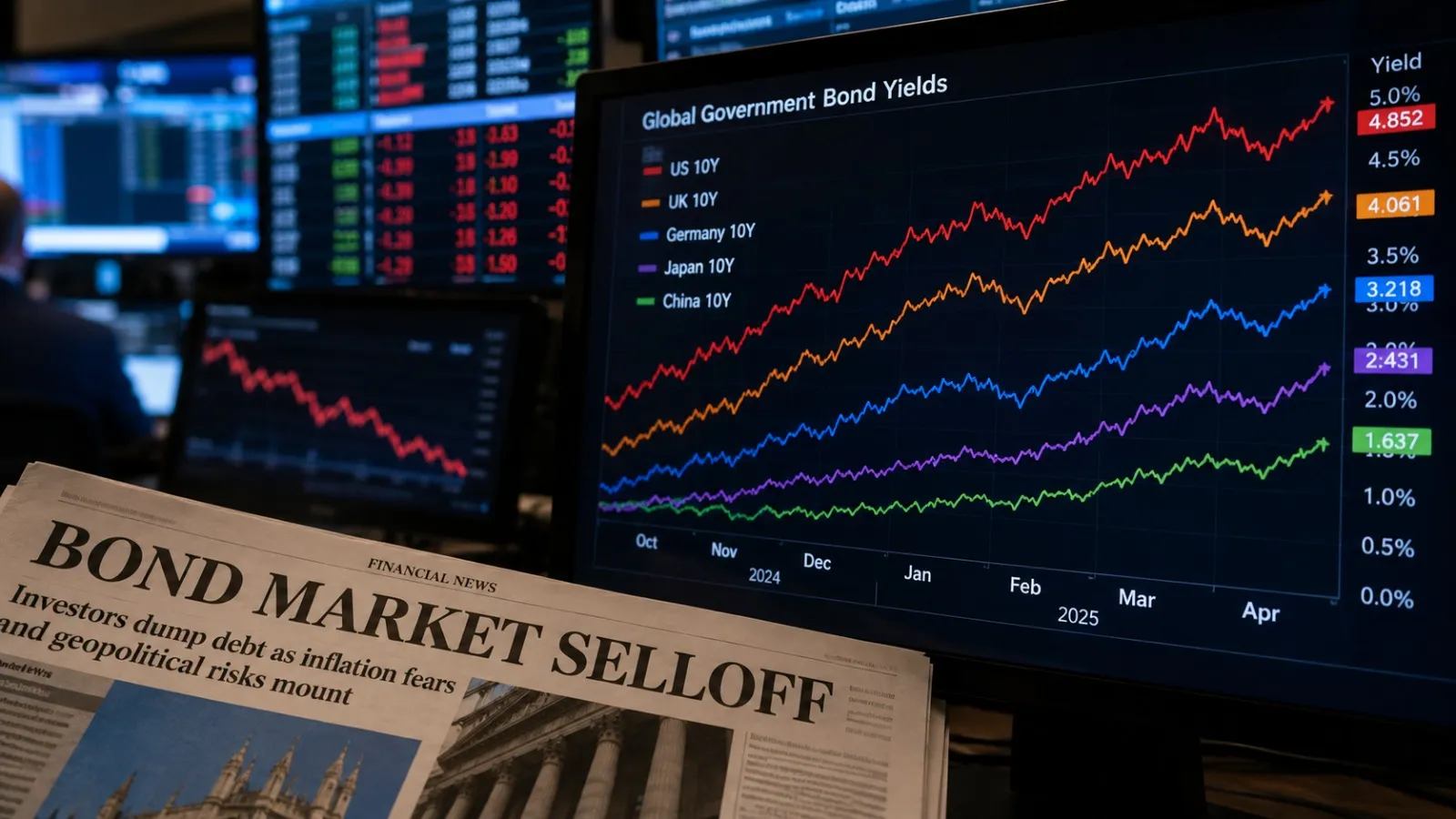
Bond markets bore particularly acute pressure, with the 10-year U.S. Treasury yield climbing above 5 percent and touching its highest level since 2007, while the 30-year Treasury yield rose to 5.37 percent. Short-dated Treasuries underperformed even more sharply, with two-year yields hitting their highest level since 2024, reflecting the market's repricing of near-term Fed policy expectations. The dollar climbed against major currencies as the prospect of sustained higher U.S. rates drew capital flows toward dollar-denominated assets, while longer-term Japanese government bond yields also moved to fresh multi-decade highs overnight, illustrating how the rate-repricing pressure has extended well beyond U.S. markets into the broader global fixed-income landscape.
Strategists have described the current environment as bond markets entering a 'new era' of risk, warning that continued upward pressure on yields could weigh on equity valuations well beyond the immediate selloff, particularly for growth and technology stocks whose valuations depend heavily on discounted future cash flows that become less attractive as risk-free bond yields climb. The rise in yields has coincided with a separate but related pressure on markets: Brent crude oil prices surging toward $108 a barrel amid escalating geopolitical tensions tied to the prolonged conflict between the United States and Iran, adding an inflationary dimension to the market's concerns that has further complicated the Federal Reserve's policy calculus.

European markets registered similarly sharp declines in sympathy with the U.S. selloff, with Germany's DAX closing 1.83 percent lower and France's CAC 40 down 1.20 percent, even as the European Central Bank's own recent rate decisions have added to the broader global tightening narrative weighing on risk assets. The synchronised nature of the global rate-repricing move — spanning the Fed, the European Central Bank and expectations for a Bank of Japan hike at its own upcoming meeting — has left few major equity markets insulated from the pressure, reinforcing how closely interconnected global monetary policy expectations have become in shaping risk appetite across asset classes worldwide.
For investors, the combination of a resurgent Fed tightening cycle, surging energy prices and climbing bond yields presents a considerably more complicated macroeconomic backdrop than markets had priced in earlier in the year, when many strategists had anticipated the Fed's rate-cutting cycle would continue rather than reverse. Whether this week's selloff proves to be a temporary repricing event or the beginning of a more sustained period of market volatility will likely depend heavily on incoming inflation data over the coming months and whether the geopolitical tensions driving oil prices higher show signs of easing or further escalation.
Asian markets, trading in the aftermath of the U.S. selloff, opened under similar pressure, with investors across the region digesting both the Fed's hawkish signal and the parallel repricing occurring in Japanese government bond markets ahead of the Bank of Japan's own widely anticipated rate decision later in the week. That combination of simultaneous tightening signals from two of the world's most influential central banks left few pockets of the global fixed-income and equity markets untouched, reinforcing how tightly interconnected monetary-policy expectations across major economies have become in shaping global risk sentiment during periods of heightened uncertainty.
Corporate America, for its part, has continued watching the bond-market moves closely given the direct implications for corporate borrowing costs, with companies that had planned debt issuance in the near term facing a materially less favourable financing environment than existed just weeks earlier, a dynamic that could weigh on corporate investment and share-buyback activity if elevated yields persist through the remainder of the year.
Currency markets have echoed the broader risk-off tone, with the dollar's advance against a basket of major currencies reflecting not just relative rate expectations but also a flight toward perceived safety amid the confluence of monetary tightening, energy-price pressure and unresolved geopolitical tensions weighing simultaneously on investor sentiment heading into the final quarter of the year.
Emerging-market currencies and equities, historically among the most sensitive asset classes to shifts in U.S. rate expectations, also came under renewed pressure during the session, with capital flow data suggesting some rotation away from higher-risk emerging-market exposure back toward developed-market assets as investors sought to reduce portfolio risk ahead of what many now expect to be a more prolonged period of elevated global interest rates than had seemed likely just a few months earlier.
Whether this rotation proves durable or reverses quickly once volatility subsides remains an open question that will shape positioning across global portfolios for weeks to come.
For now, the session stands as a reminder of how quickly sentiment can shift once a central bank surprises markets with its forward guidance rather than the headline rate move itself.