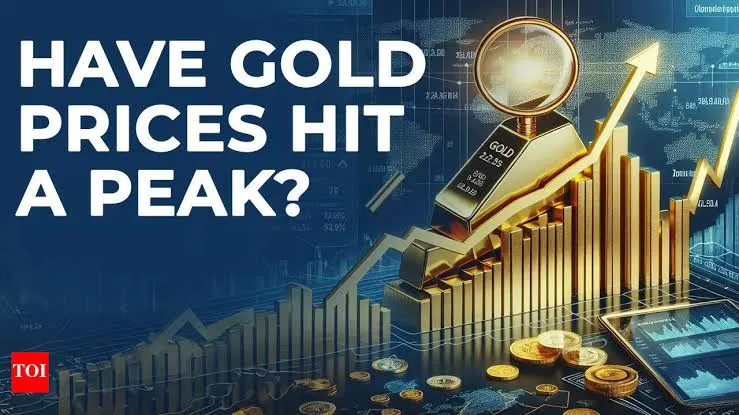
Gold prices in India climbed to Rs 154,070 per 10 grams on September 9, while silver traded at Rs 240,100 per kilogram, as investors rotated toward traditional safe-haven assets amid a broader session of equity market volatility driven by surging global crude oil prices and escalating Middle East tensions. The moves in precious metals came against the backdrop of a weak session for the Sensex and Nifty, both of which opened lower as Brent crude pushed toward the $100-a-barrel mark.
India's relationship with gold extends well beyond its role as a pure financial hedge, given the metal's deep cultural significance in domestic jewellery demand, wedding-season purchasing patterns and household savings behaviour, particularly across rural and semi-urban markets where gold has traditionally served as both an investment vehicle and a store of intergenerational wealth. Price movements of the kind seen this week therefore carry implications that extend into consumer spending patterns well beyond the narrower confines of financial market positioning.
The safe-haven rally in precious metals reflects a broader global pattern of investor behaviour during periods of geopolitical uncertainty, with gold historically serving as a preferred hedge against both currency depreciation and equity market drawdowns, particularly when the underlying source of volatility, as in this instance, is linked to an energy-price shock with inflationary implications for import-dependent economies such as India.
Domestic gold and silver pricing in India is influenced by a combination of international spot prices, currency movements against the US dollar, and local import duty structures, meaning that a weaker rupee, currently trading near 95 to the dollar, compounds the impact of rising international precious metals prices on domestic retail rates. This dynamic has made Indian gold prices particularly sensitive to the current combination of currency pressure and global risk-off sentiment.

Jewellery retailers and bullion traders across India have reported mixed near-term demand responses to the price rally, with some consumers deferring discretionary jewellery purchases in anticipation of price corrections, while others, particularly those viewing gold primarily as an investment asset, have continued accumulating holdings as a hedge against broader macroeconomic uncertainty tied to the unfolding geopolitical situation.
With global oil markets remaining volatile and the trajectory of the Middle East conflict still uncertain, precious metals analysts expect gold and silver prices to remain sensitive to incremental geopolitical developments in the sessions ahead, with the metals likely to continue serving as a real-time barometer of investor risk appetite alongside more conventional equity and currency market indicators.
Gold's performance also carries particular resonance for India's diaspora community, many of whom maintain gold holdings both as a cultural asset tied to family wedding and festival traditions and as a genuine portfolio diversification tool within broader international asset allocations that span Indian and overseas markets.
Bullion dealers have also pointed to a seasonal dimension layered atop the current volatility-driven demand, with India's wedding and festival season historically driving a structural uptick in gold purchasing that typically begins in the weeks ahead, a dynamic that could compound price pressure if global risk-off sentiment persists into the peak demand period.
Indian jewellery exporters, who supply significant volumes to international markets including the Gulf and North America, have also flagged that sustained high gold prices could affect export competitiveness in the near term, adding a trade dimension to the domestic pricing story that extends beyond pure investment demand.