TechFuture Tech5 MIN READ

Google Launches $179.99 Fitbit Edge, Bringing Back the Screen and Its First Repairable Tracker

Google has unveiled the Fitbit Edge, a $179.99 fitness tracker with an OLED display, built-in GPS, seven-day battery and a replaceable battery, positioned between the screenless Fitbit Air and the Pixel Watch as the wearables race intensifies.

By Aravind Kumar · Author13 October 2026New
Google Launches $179.99 Fitbit Edge, Bringing Back the Screen and Its First Repairable Tracker

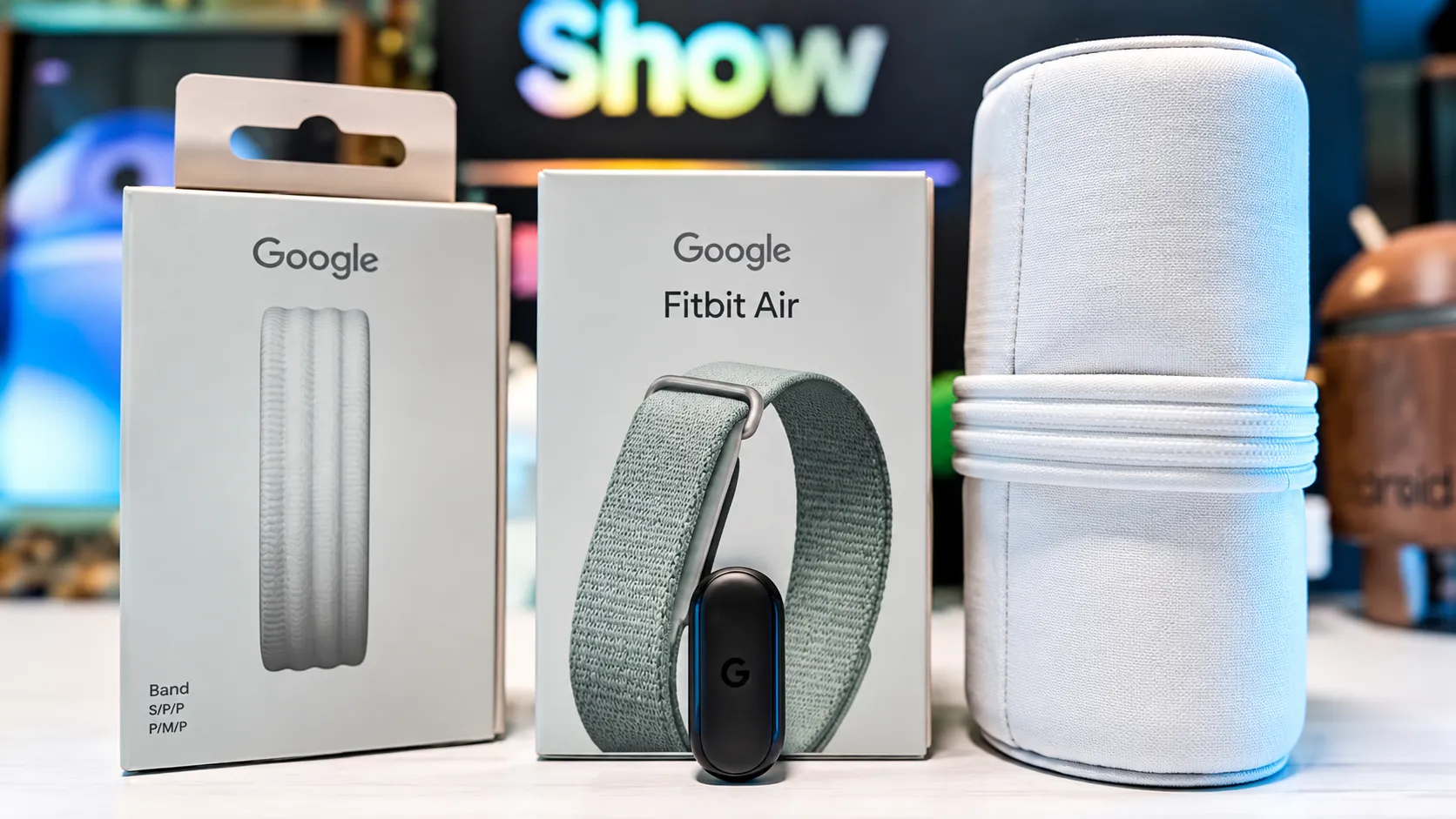
Google has launched the Fitbit Edge, a $179.99 fitness tracker that brings a display back to its Fitbit lineup and is the company’s first repairable tracker, as it seeks to fill the gap between its screenless Fitbit Air band and its more expensive Pixel Watch.

The device, announced on October 12, is available for pre-order through the Google Store and retail partners, with shelf availability from October 27. A Stephen Curry Special Edition, co-created with the four-time NBA champion, who serves as a Google performance advisor, costs $219.99. Buyers receive three months of Google Health Premium, the company’s subscription service.

Bloomberg reported that the Edge replaces the Fitbit Charge 6, Google’s previous screen-equipped tracker. The launch underscores how Google is consolidating Fitbit into a tiered wearables portfolio, as competition intensifies from Apple, Samsung, Garmin and a wave of smart-ring makers.

What the Edge offers

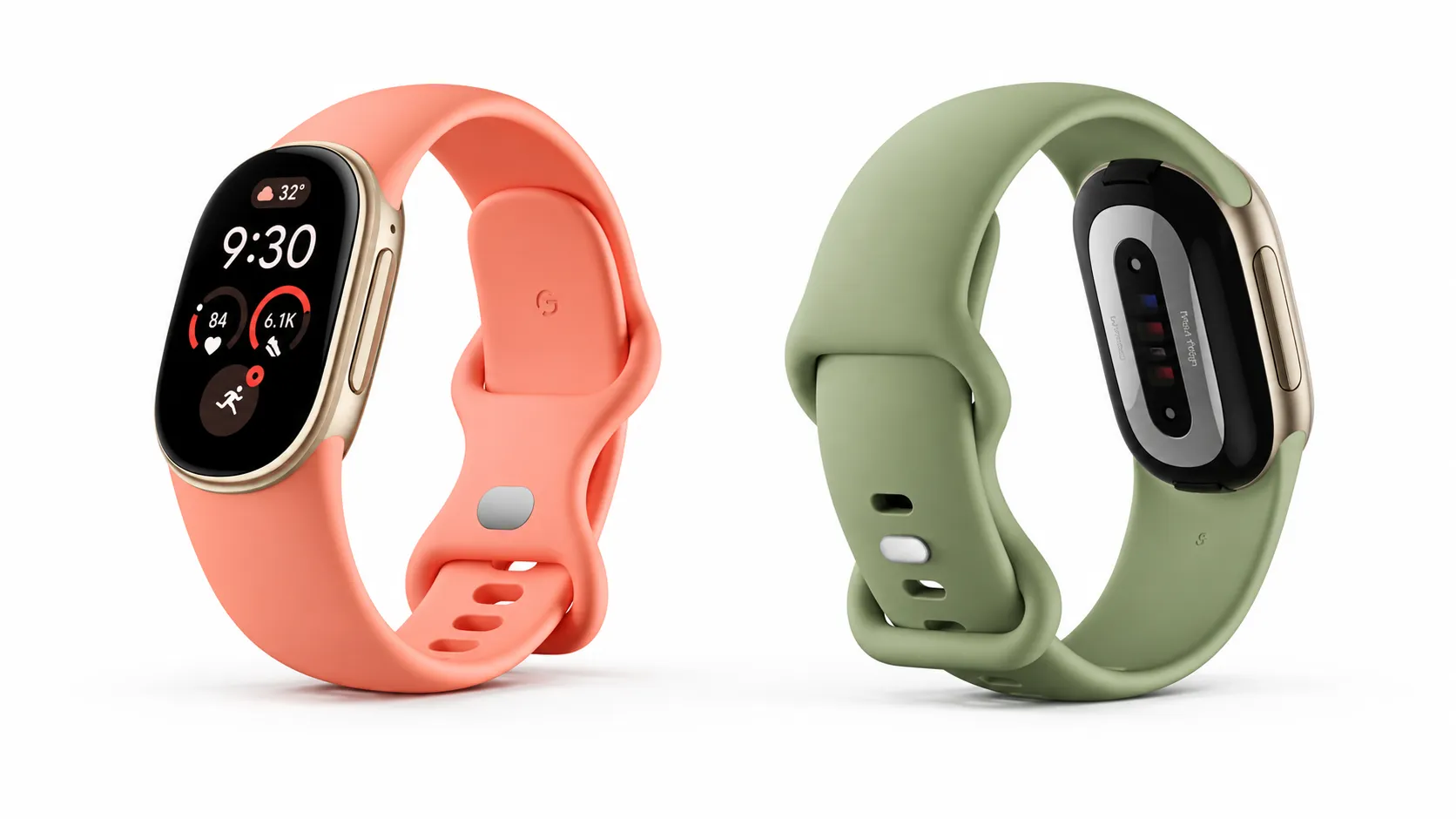
The Fitbit Edge combines the slim form of the Fitbit Air with a hybrid OLED display, which Google says is the largest and brightest it has put on a Fitbit tracker, with 46% more viewing area than previous models. The screen shows map directions, notifications, weather and music controls, and is designed to be readable in direct sunlight.

At 11.5mm thick, the tracker has a recycled-aluminium housing and comes in four finishes: Obsidian, Fog, Olive and Canyon. Google says its case is 45% lighter than the Apple Watch Series 12. Interchangeable bands are sold separately.

Battery life is rated at up to seven days on a single charge, based on Google’s testing of pre-production hardware, and fast magnetic charging can deliver a full day of use in about five minutes with a compatible adapter. The tracker is water-resistant to 50 metres.

The most unusual feature is repairability. Google describes the Edge as the first repairable Fitbit tracker, with a modular internal design and a replaceable battery. That responds to growing regulatory and consumer pressure on electronics makers to extend product lifespans, including right-to-repair laws in the European Union and several US states.

Fitness and health features

For athletes, the Edge includes built-in GPS that Google says is up to 40% more accurate than previous generations and works without a phone, along with an altimeter. It supports more than 50 exercise modes with on-wrist guidance and can automatically recognise up to 100 workouts. TechCrunch reported that Google claims sleep-stage detection is 15% more accurate than before.

Health tracking includes continuous optical heart-rate monitoring, an on-wrist ECG app in select countries, a skin-temperature sensor where available, heart-rate variability metrics, sleep analysis and a daily recovery score. Health Guardian alerts flag notable trends in indicators related to blood pressure and insulin resistance, as well as high or low heart rates. Google stresses these features are for general wellness, not medical diagnosis, and availability varies by region.

The AI coach and the subscription model

The Edge works with Google Health Coach, an AI coach powered by Gemini that uses fitness, health and medical information to build weekly routines and workout plans and adjust them to a user’s schedule. The coach requires a Google Health Premium subscription.

That subscription is central to Google’s strategy. Hardware margins in fitness trackers are thin, and competition is fierce. Recurring revenue from premium health services, coaching and insights offers a more sustainable business, and gives Google a reason to keep users engaged with its health platform over years.

“In wearables, the hardware gets people through the door, but the subscription and the data keep them there.”
— The Impactful Global Indian

In wearables, the hardware gets people through the door, but the subscription and the data keep them there. Rivals are pursuing the same model: Oura and Whoop rely on memberships, and Apple has expanded its health services alongside the Apple Watch.

The Edge works with most Android phones running Android 11 or later and iPhones running iOS 16.4 or later, broadening its potential market beyond Google’s own Pixel ecosystem.

A crowded wrist

The wearables market has become one of the most competitive in consumer technology. Apple dominates premium smartwatches; Samsung leads among Android users; Garmin commands loyalty among serious athletes; and smart rings from Oura, Samsung and India’s Ultrahuman have created a new category for users who want health tracking without a screen on their wrist.

Health has become the main battleground. Companies are racing to offer features such as blood-pressure trend alerts, sleep apnoea detection and metabolic insights, often seeking regulatory clearances to make stronger health claims. Partnerships with health systems, such as Ultrahuman’s new agreement with the Abu Dhabi Public Health Center to develop a biological-age model, show how wearable companies are trying to move from wellness gadgets towards tools that public health authorities and clinicians trust.

e6375c30-704f-46ac-8b82-0cd49e034c3c.png

Where the Edge fits

Google’s wearables line-up now spans three tiers. The Fitbit Air offers screenless, band-style tracking for users who want unobtrusive health monitoring. The Fitbit Edge adds a display, GPS and on-wrist workout guidance at a mid-range price. The Pixel Watch, which starts at about $400 for the latest generation, offers a full smartwatch experience with apps and broader smart features.

That structure mirrors strategies used across consumer electronics, where tiered products capture customers at different price points and offer upgrade paths. For Google, it also helps defend the Fitbit brand, which built a loyal following before its acquisition, while steering users towards its Google Health app and subscription services.

The Edge’s pitch rests on combining long battery life with a useful screen. Many smartwatches need charging daily, which deters users who want continuous sleep and health tracking; a week between charges, plus five-minute top-ups, addresses that frustration directly.

What it means for India

India is one of the world’s largest markets for wearables by volume, dominated by affordable smartwatches from domestic brands such as Noise, boAt and Fire-Boltt. Premium devices from Apple, Samsung and Google occupy a smaller but growing segment as incomes rise and health awareness increases.

Google has not announced India pricing or availability for the Fitbit Edge, and several of its health features vary by country. Still, the launch is relevant for Indian consumers and companies. It signals where global wearable technology is heading: towards AI coaching, subscription health services and repairable hardware. Indian brands, which have competed largely on price and design, will face pressure to add more sophisticated health features and software.

For India’s growing health-technology ecosystem and the diaspora entrepreneurs building in it, the Fitbit Edge signals that the future of wearables lies less in the device on the wrist than in the intelligence and trust behind the data it collects.

TagsGoogleFitbit EdgeWearablesFitness TrackerGeminiGoogle Health CoachHealth TechSmartwatchRepairabilityGPSStephen CurryPixel WatchConsumer ElectronicsDigital Health

Reader reviews

Sign in to rate and review this article.
Loading reviews…

